
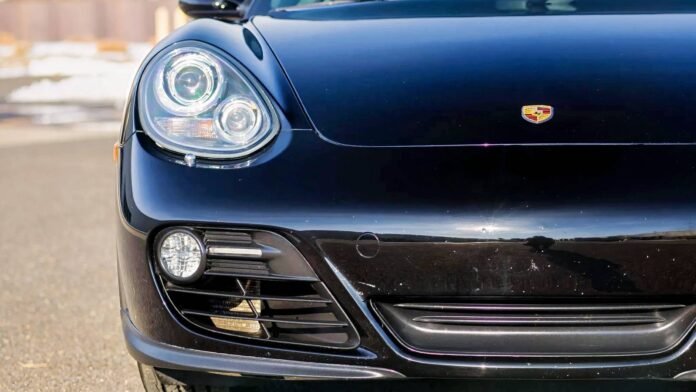
Porsche ownership once felt financially untouchable for most enthusiasts. But modern new-car pricing has rewritten the script completely. The average transaction price for a new car in the United States now hovers just under $50,000, while a new Porsche 911 can easily push deep into six-figure territory once options are added.
That shift has created a strange opportunity in the used market. While new performance cars continue climbing further out of reach, several used Porsche models have suddenly started looking surprisingly attainable by comparison. In many cases, they also deliver a more engaging and rewarding driving experience than some newer alternatives costing significantly more.
Why Used Porsches Suddenly Make More Sense
Depreciation Has Quietly Made Porsche Ownership More Attainable
Part of what makes used Porsches so appealing is simply how expensive everything else has become. A new BMW M3 now starts at nearly $80,000 before options, while heavily optioned performance sedans and luxury SUVs can easily push well into six-figure territory.
At the same time, many modern performance cars have become heavier, more digital, and increasingly isolated from the driving experience enthusiasts traditionally valued. Ironically, that shift has made older analog sports cars feel more desirable than ever.
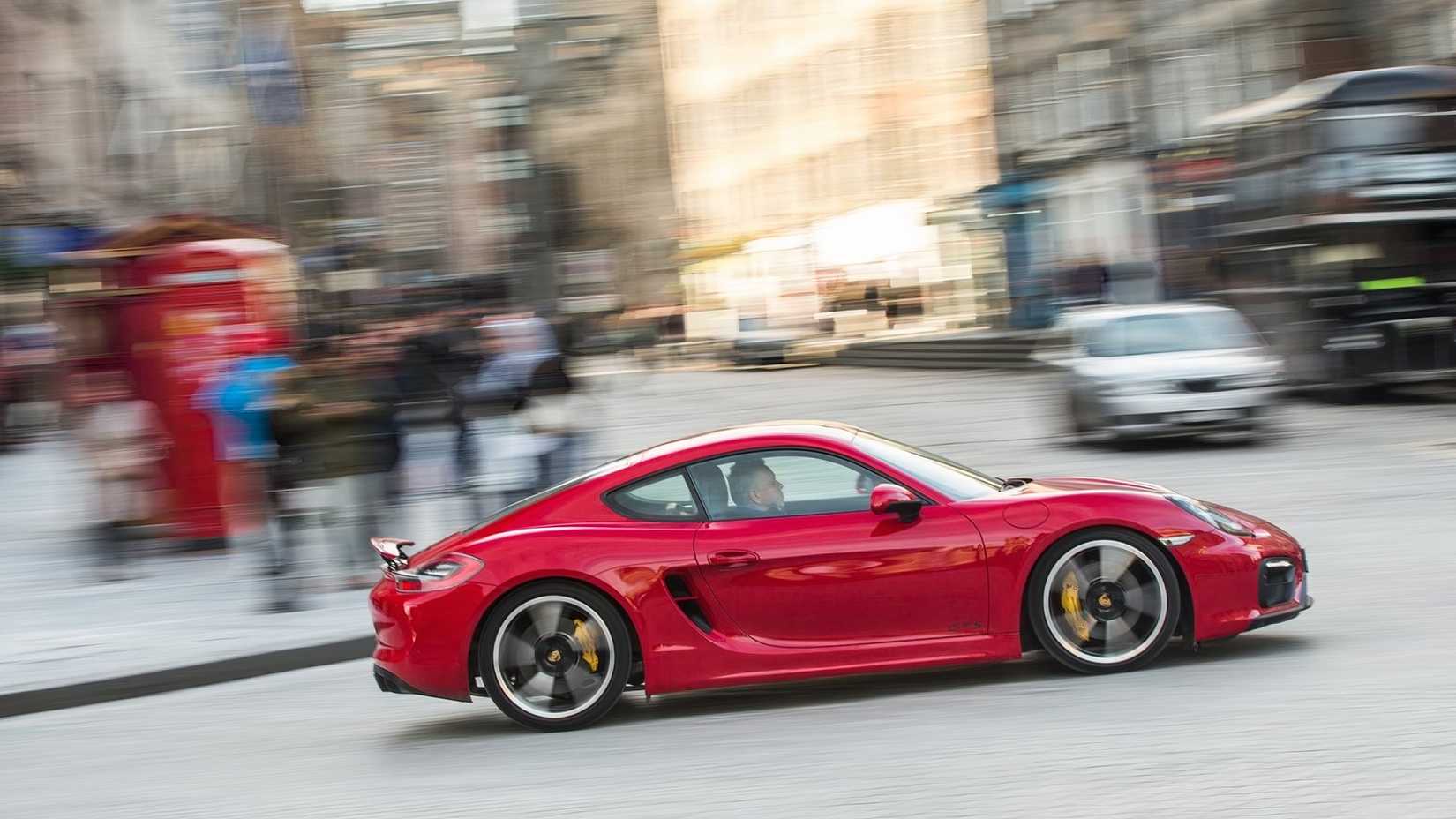
Recent Bring a Trailer auction results also reflect growing enthusiast demand for naturally aspirated Porsche sports cars, particularly well-kept manual-transmission examples from Porsche’s pre-turbocharged era. That growing enthusiasm has changed the value equation completely. Buyers are no longer simply paying for a badge. They are gaining access to some of the finest chassis engineering, steering feel, and driver-focused design in the motoring industry through models like the Boxster, Cayman, and Macan — often for significantly less money than many new performance vehicles now cost.
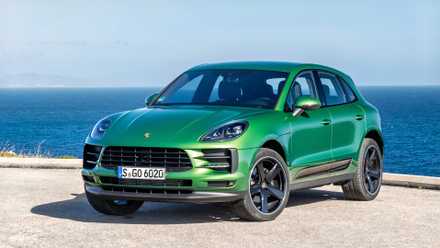
The Performance SUV With Bulletproof Reliability And Low Used Prices
This SUV combines sports-car handling with strong reliability scores and increasingly attainable used prices, making it a compelling luxury bargain.
The Porsche Boxster Still Feels Special Today
A Lightweight Roadster With Proper Porsche Character
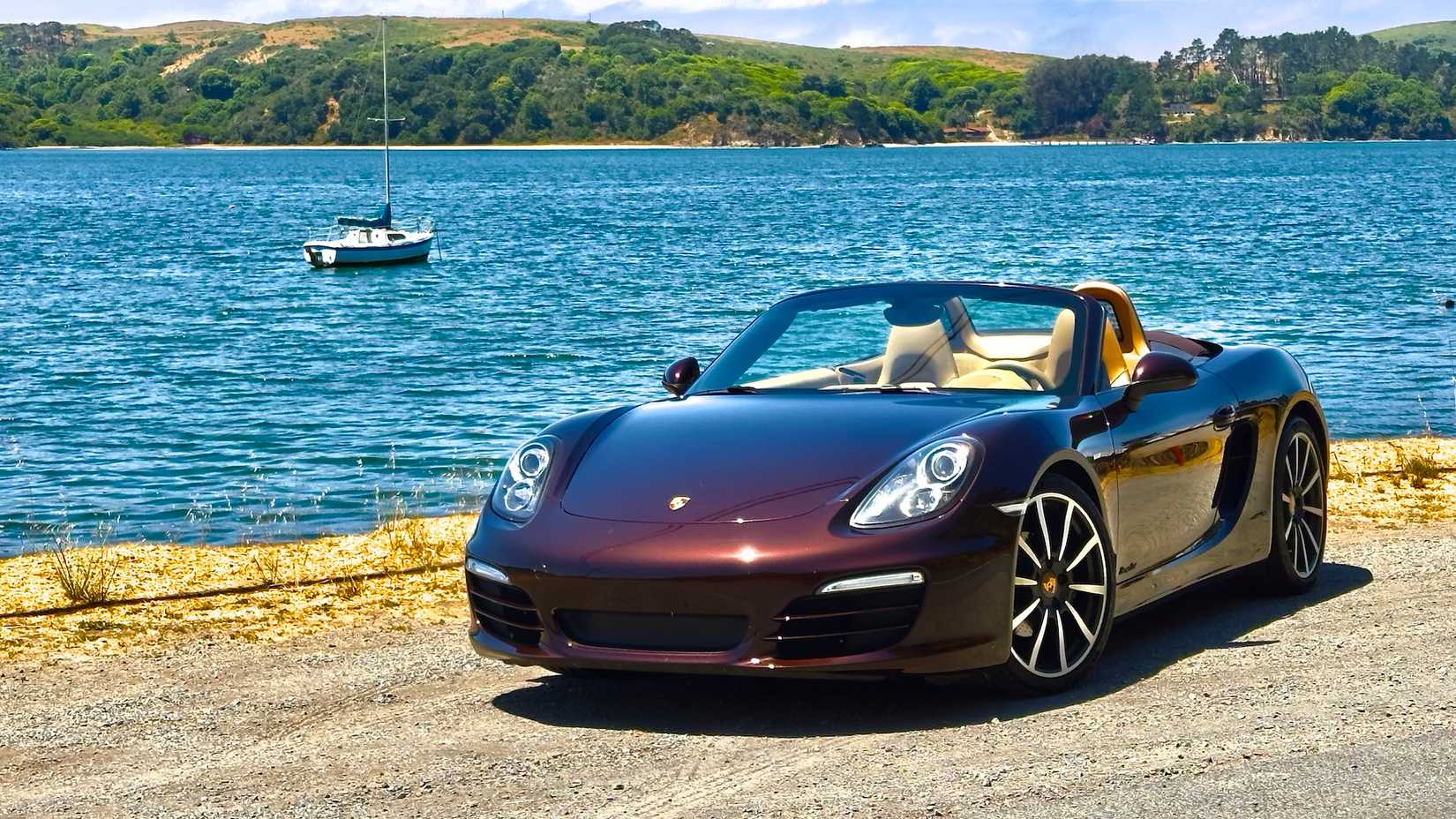
And suddenly, used Porsche models like the 981-generation Boxster and Cayman begin looking incredibly interesting by comparison. Something quietly shifted in the used market. Clean examples of the 981-generation Porsche Boxster and Cayman can now regularly be found for under $60,000, placing proper Porsche sports-car engineering within reach of far more buyers than many might expect.
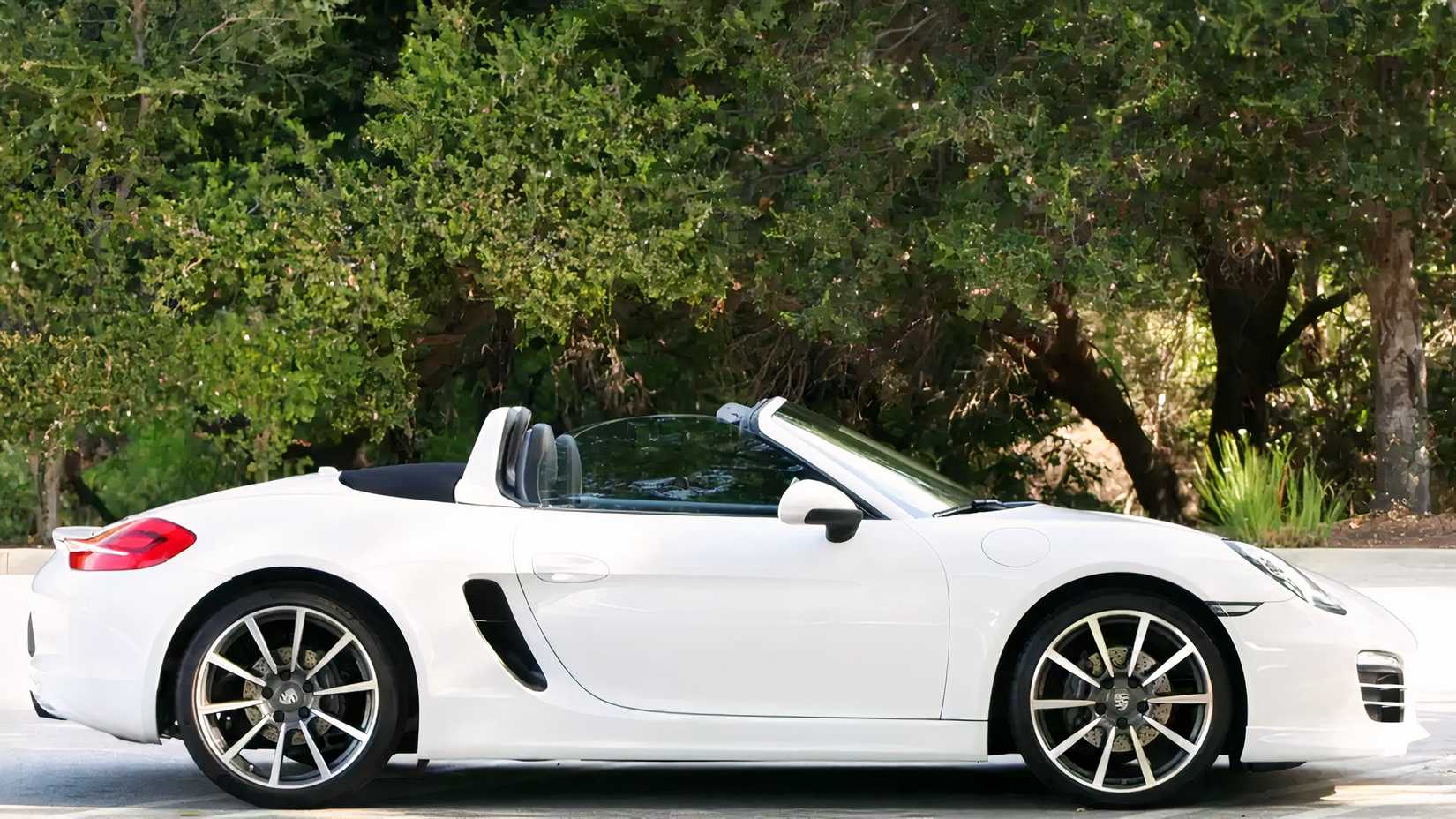
Focusing primarily on the 2012–2016 981-generation Boxster, Porsche’s mid-engine roadster remains one of the most rewarding sports cars the company has built in recent years. Much of that appeal centers around Porsche’s naturally aspirated flat-six era before widespread turbocharging arrived across the lineup. Part of what makes the 981-generation Boxster so appealing today is that it sits at the intersection of affordability and growing enthusiast demand. According to market listings highlighted by sources like Car and Driver, clean 981-generation Boxster examples can still regularly be found between roughly $35,000 and $60,000 depending on mileage and specification.
Meanwhile, recent Bring a Trailer auction results show enthusiast interest continuing to grow, with clean low-mileage Boxster S and GTS models often selling between roughly $45,000 and $75,000, while rarer Boxster Spyder variants can climb well beyond that depending on mileage and specification. That growing demand reflects just how highly regarded the naturally aspirated 981-generation Boxster has become among enthusiasts, while valuation data from Kelley Blue Book and Edmunds further reinforce how attainable these cars remain compared to modern performance-car pricing.
Part Of The Boxster’s Appeal Comes From Its Simplicity
Unlike many newer performance cars overloaded with aggressive styling, excessive weight, and digital distractions, the 981-generation Boxster still prioritizes balance, steering feel, and driver involvement.
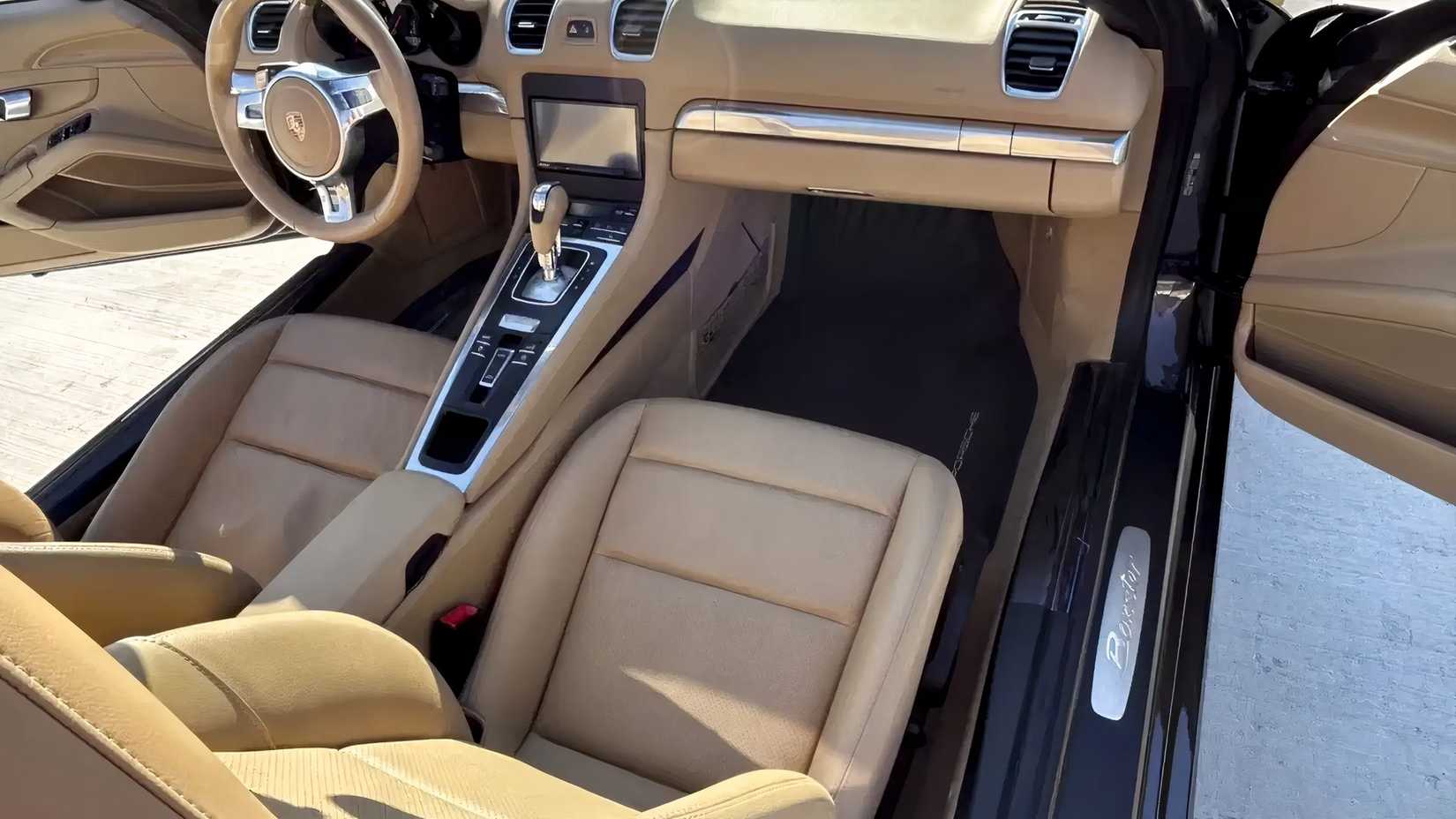
Base 981 Boxster models used a naturally aspirated 2.7-liter flat-six producing 265 horsepower and 206 pound-feet of torque, while the Boxster S upgraded to a 3.4-liter flat-six delivering 315 horsepower and 266 pound-feet. Automotive outlets praised the 981-generation Boxster lineup for its precise steering, beautifully balanced chassis, and naturally aspirated engine character, with publications recording 0–60 MPH times as low as 4.8 seconds for a Boxster S equipped with Porsche’s PDK transmission.
Porsche 981 Boxster Specs (2012–2016)
|
Porsche 981 Boxster |
Porsche 981 Boxster S |
|
|
Engine |
2.7-liter Naturally Aspirated Flat-Six |
3.4-liter Naturally Aspirated Flat-Six |
|
Horsepower |
265 hp |
315 hp |
|
Torque |
206 lb-ft |
266 lb-ft |
|
Transmission |
6-Speed Manual / 7-Speed PDK |
6-Speed Manual / 7-Speed PDK |
|
Drivetrain |
Rear-Wheel Drive |
Rear-Wheel Drive |
|
0–60 MPH |
5.4 sec |
4.8 sec |
|
Top Speed |
164 mph |
173 mph |
|
Cargo Capacity |
9.9 cu-ft combined |
9.9 cu-ft combined |
|
Signature Trait |
Lightweight Analog Roadster |
Sharper Performance & Sound |
|
Used Market Range |
$35k–$60k |
$45k–$75k |
Modern turbocharged engines may produce more low-end torque, but the Boxster’s high-revving flat-six delivers a level of sound and character many enthusiasts increasingly miss in today’s market. Open-top driving only adds to the experience, giving the Boxster a level of mechanical connection and emotional appeal many newer performance cars struggle to replicate. That changes the value equation completely. Modern performance cars have become dramatically more expensive over the past few years, making the 981-generation Boxster suddenly look surprisingly attainable by comparison.
The Cayman Might Be The Sweet Spot
Everyday Usability Mixed With Sports-Car Precision
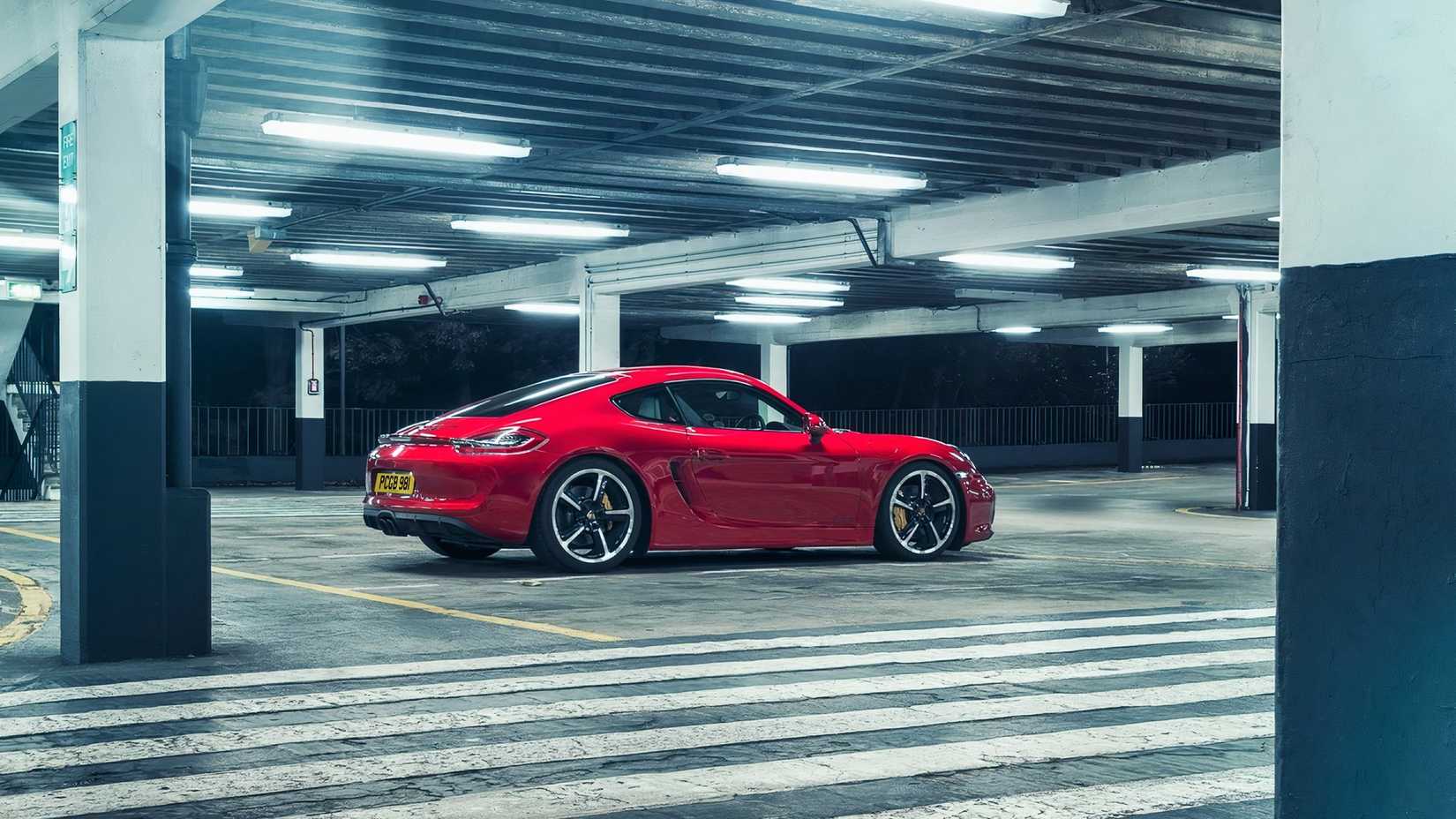
If the Boxster delivers emotional open-top driving appeal, the Cayman arguably represents the enthusiast sweet spot of the modern Porsche lineup. And of course, for buyers who simply prefer the security and styling of a hardtop coupe over a convertible, the Cayman becomes an even more compelling choice.
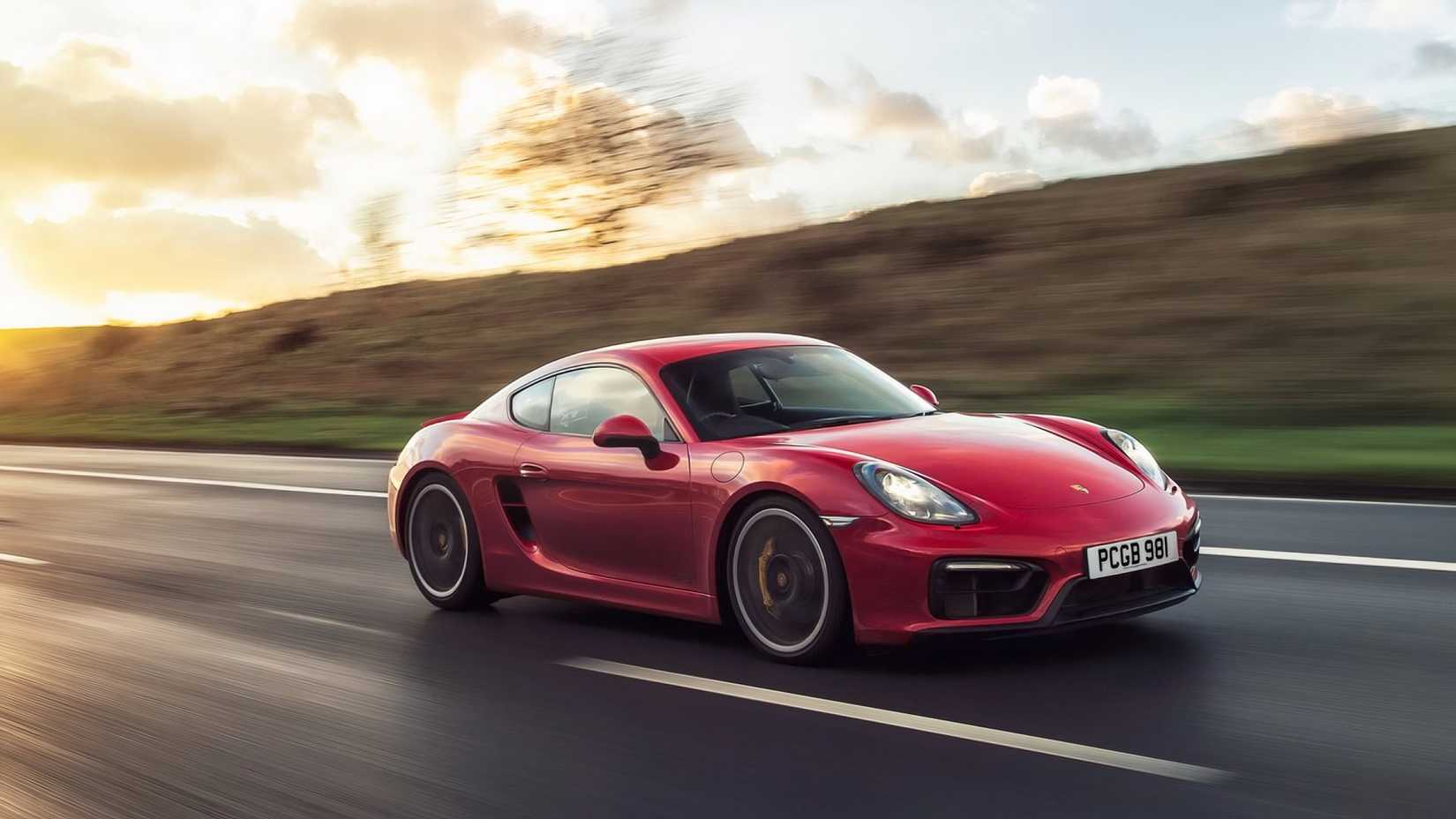
Focusing primarily on the 2014–2016 Cayman models, the compact coupe combines many of the same strengths as the Boxster while adding extra chassis rigidity, sharper responses, and surprisingly good everyday usability. Recent Bring a Trailer auction results also reflect growing enthusiast demand for naturally aspirated Porsche sports cars, with especially clean, low-mileage Boxster and Cayman GTS models continuing to attract strong bidding from collectors and enthusiasts alike.
Like the Boxster, the 981-generation Cayman used naturally aspirated flat-six engines mounted in the middle of the chassis. Base Cayman models used a 2.7-liter flat-six producing 275 horsepower and 213 pound-feet of torque, while the Cayman S upgraded to a 3.4-liter flat-six delivering 325 horsepower and 273 pound-feet. MotorTrend recorded 0–60 MPH times as low as 4.4 seconds for the Cayman S equipped with Porsche’s PDK transmission.
Reviewers Consistently Praised The Cayman’s Balance And Driver Engagement
MotorTrend highlighted the car’s exceptional chassis balance and steering precision, while our friend over at CarBuzz praised the naturally aspirated flat-six character and mid-engine handling composure. TopSpeed also noted that the Cayman delivered an increasingly rare level of analog driver involvement compared to many newer performance cars.
The Cayman’s steering feel, balance, and chassis precision remain exceptional even by modern standards. The mid-engine layout allows the car to rotate naturally through corners, while the compact dimensions help it feel smaller and more connected than many modern sports cars.
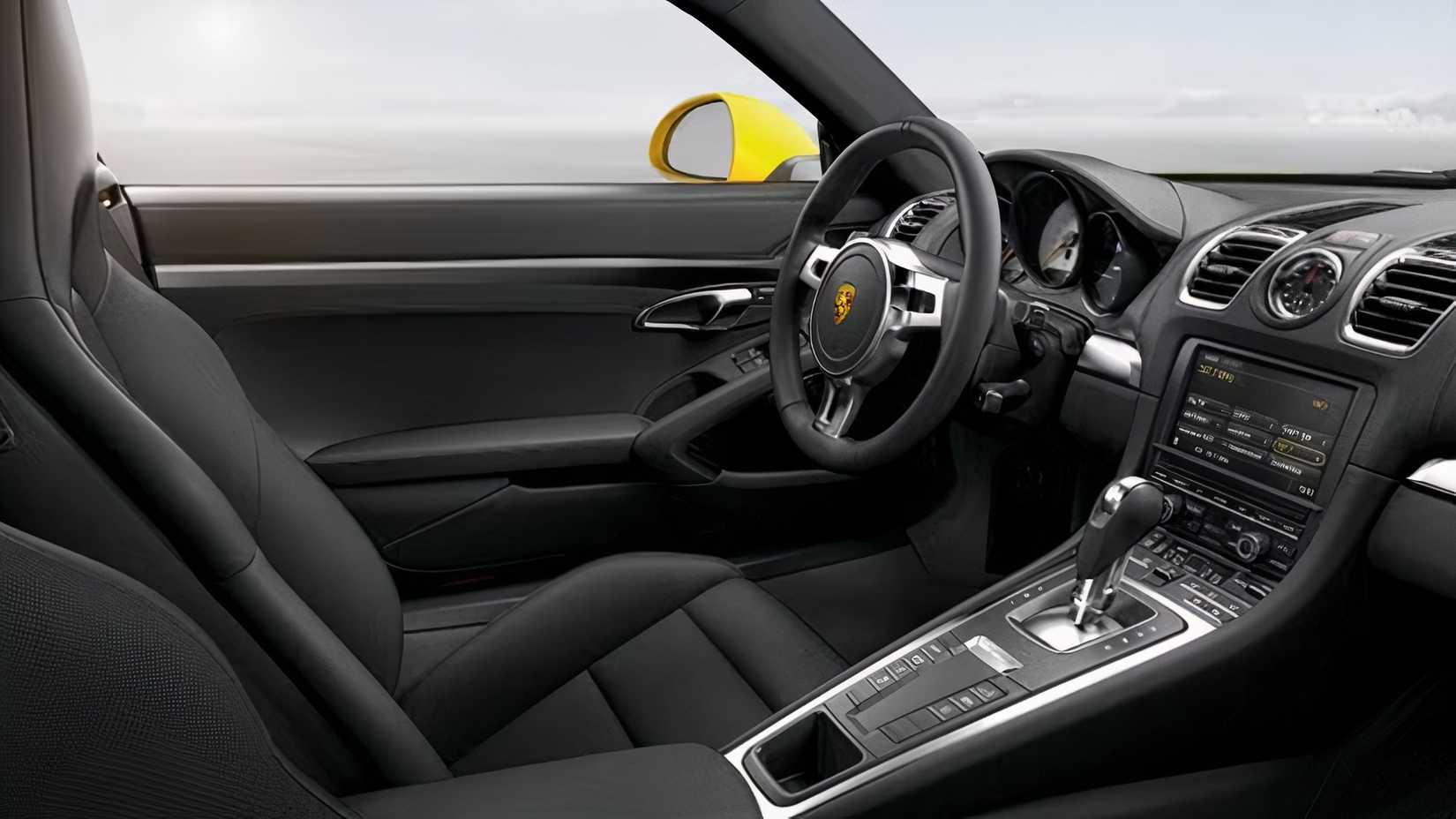
Unlike certain high-powered performance cars constantly trying to intimidate drivers, the Cayman instead focuses on communication and balance. The naturally aspirated flat-six available in higher trims only strengthens the experience further, with the sound, throttle response, and willingness to rev making the Cayman feel far more exotic than its pricing might initially suggest.
Porsche 981 Cayman Specs (2014–2016)
|
Porsche 981 Cayman |
Porsche 981 Cayman S |
|
|
Engine |
2.7-liter Naturally Aspirated Flat-Six |
3.4-liter Naturally Aspirated Flat-Six |
|
Horsepower |
275 hp |
325 hp |
|
Torque |
213 lb-ft |
273 lb-ft |
|
Transmission |
6-Speed Manual / 7-Speed PDK |
6-Speed Manual / 7-Speed PDK |
|
Drivetrain |
Rear-Wheel Drive |
Rear-Wheel Drive |
|
0–60 MPH |
5.0 sec |
4.4 sec |
|
Top Speed |
165 mph |
175 mph |
|
Cargo Capacity |
15.3 cu-ft combined |
15.3 cu-ft combined |
|
Signature Trait |
Mid-Engine Balance |
Precision & Driver Engagement |
|
Used Market Range |
$40k–$65k |
$50k–$80k |
And importantly, the Cayman remains usable too. The front and rear cargo compartments provide more practicality than many buyers expect from a mid-engine sports car, while ride quality remains surprisingly manageable for everyday driving. That balance partly explains why the Cayman developed such a strong enthusiast following over the years.
The Porsche Macan Changed Luxury SUVs Forever
The SUV That Still Drives Like A Porsche
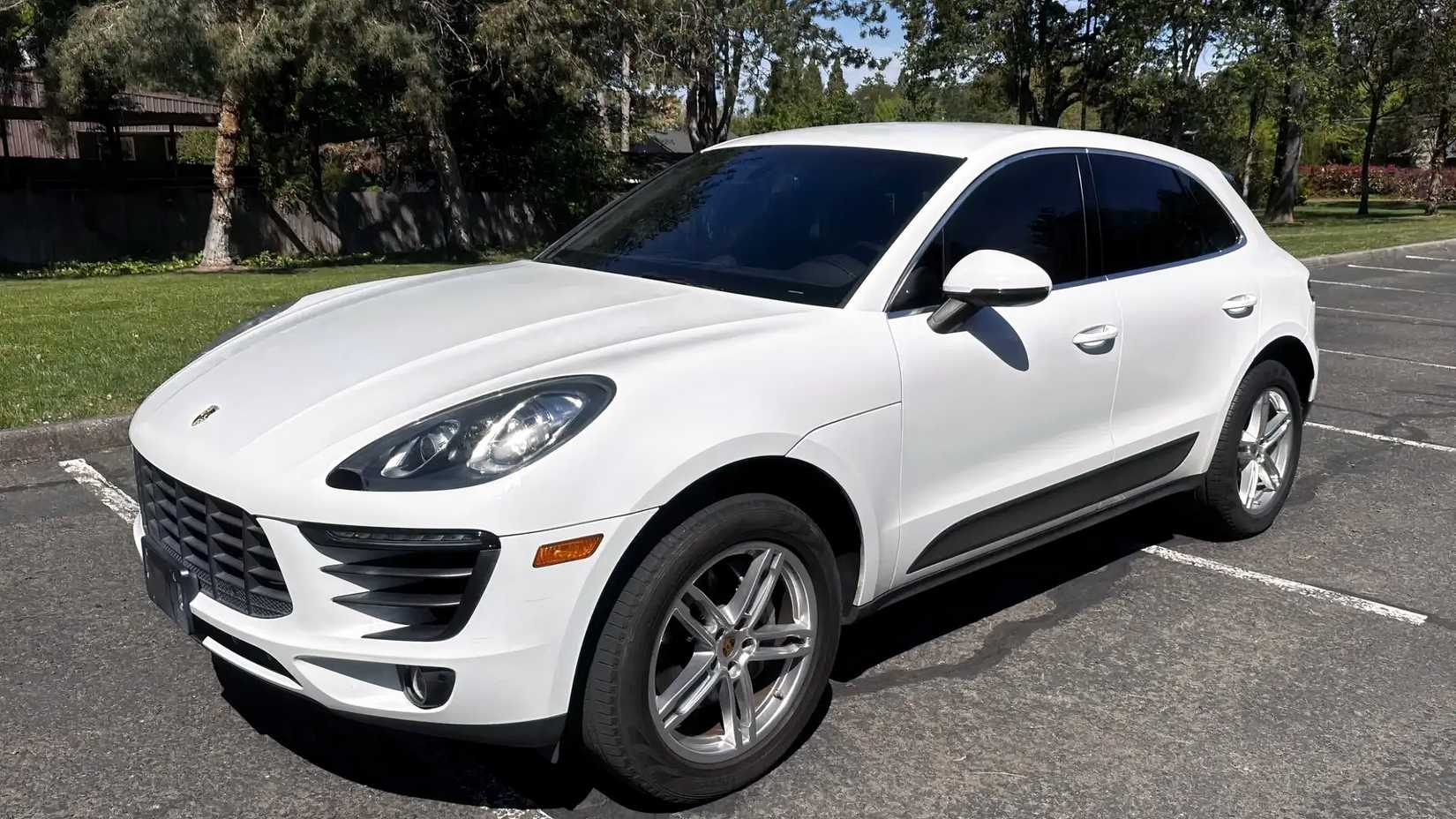
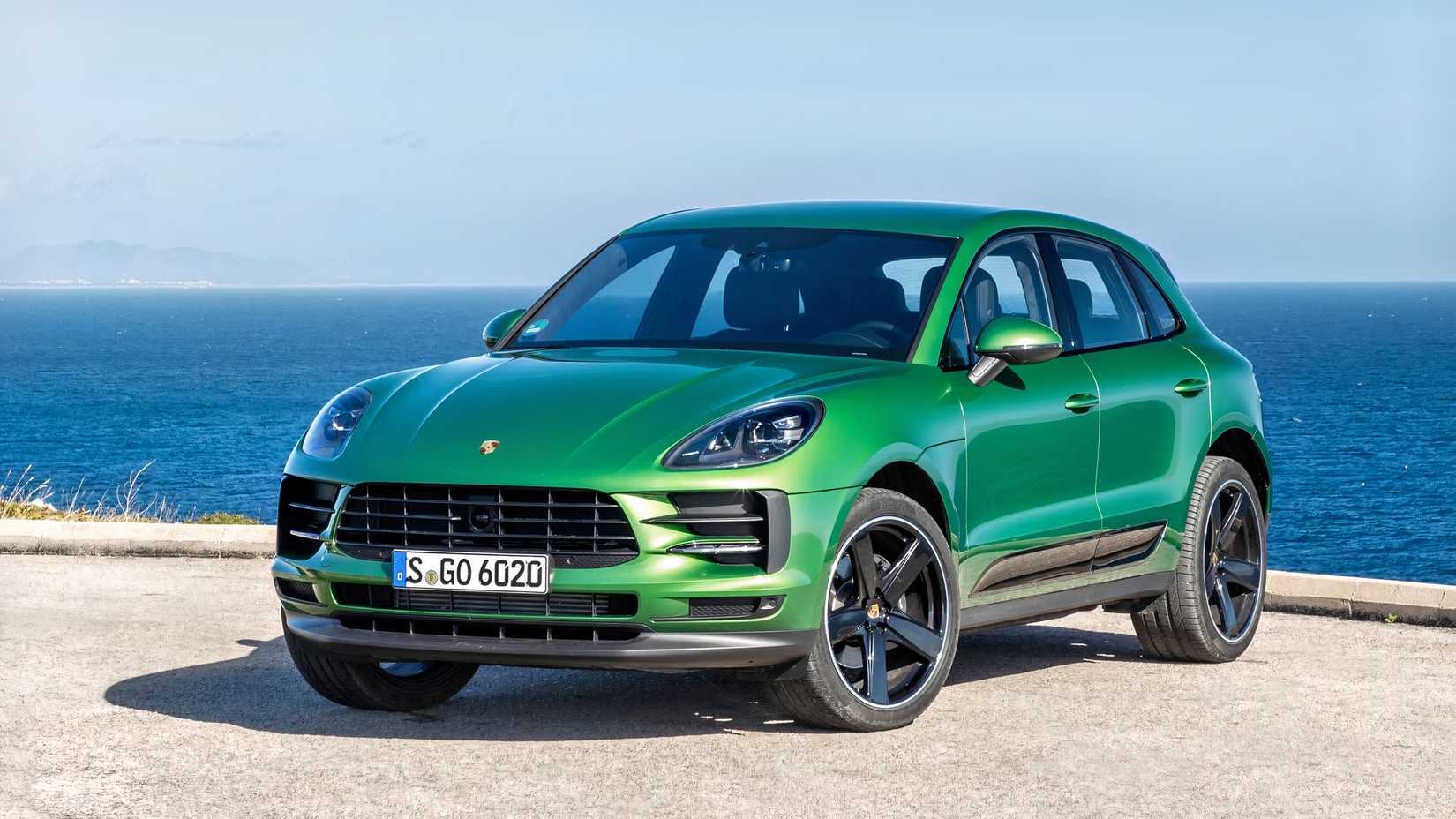
The Porsche Macan has also become surprisingly attainable on the second-hand market. Kelley Blue Book data shows many 2020 Macan models now trading around the $39,000 mark, while private-party values for certain base models can fall into the mid-$20,000 range depending on mileage and condition. Recent Bring a Trailer auction results tell a similar story, with some early Macan S models selling in the low-$20,000 range — remarkable pricing for a Porsche-badged luxury SUV.
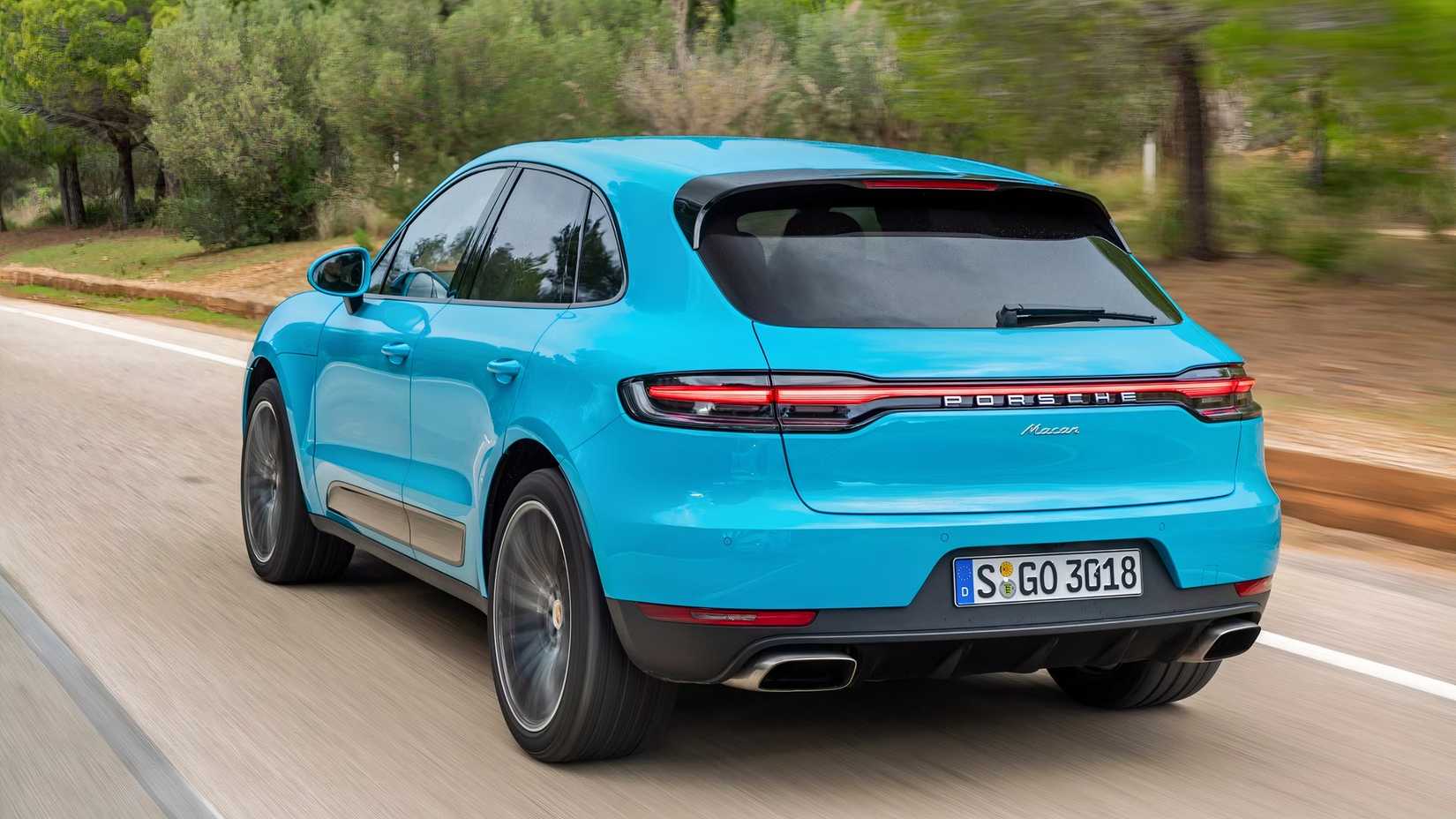
What was once a $50,000-plus luxury crossover has entered the price territory of many mainstream family SUVs. In some cases, used Macan pricing now overlaps with heavily optioned versions of SUVs like the Toyota Highlander, Hyundai Santa Fe, and Honda Passport. That makes the value proposition surprisingly compelling: buyers are no longer simply shopping for a family SUV — they are shopping for a Porsche.
Not Every Used Porsche Buyer Necessarily Wants A Sports Car
This is part of what makes the Porsche Macan so important. When Porsche introduced the Macan for the 2015 model year, many enthusiasts initially questioned whether the brand truly needed another SUV. But over time, the compact luxury crossover quietly became one of Porsche’s most successful and influential products.
Unlike many luxury SUVs simply pretending to be sporty, the Macan genuinely behaved like a Porsche underneath. Even today, the Macan remains one of the sharpest-driving luxury SUVs on the market. Car and Driver praised the Macan’s precise steering, athletic chassis tuning, and surprisingly engaging handling characteristics, while MotorTrend highlighted the SUV’s impressive body control and sports-sedan-like driving dynamics.
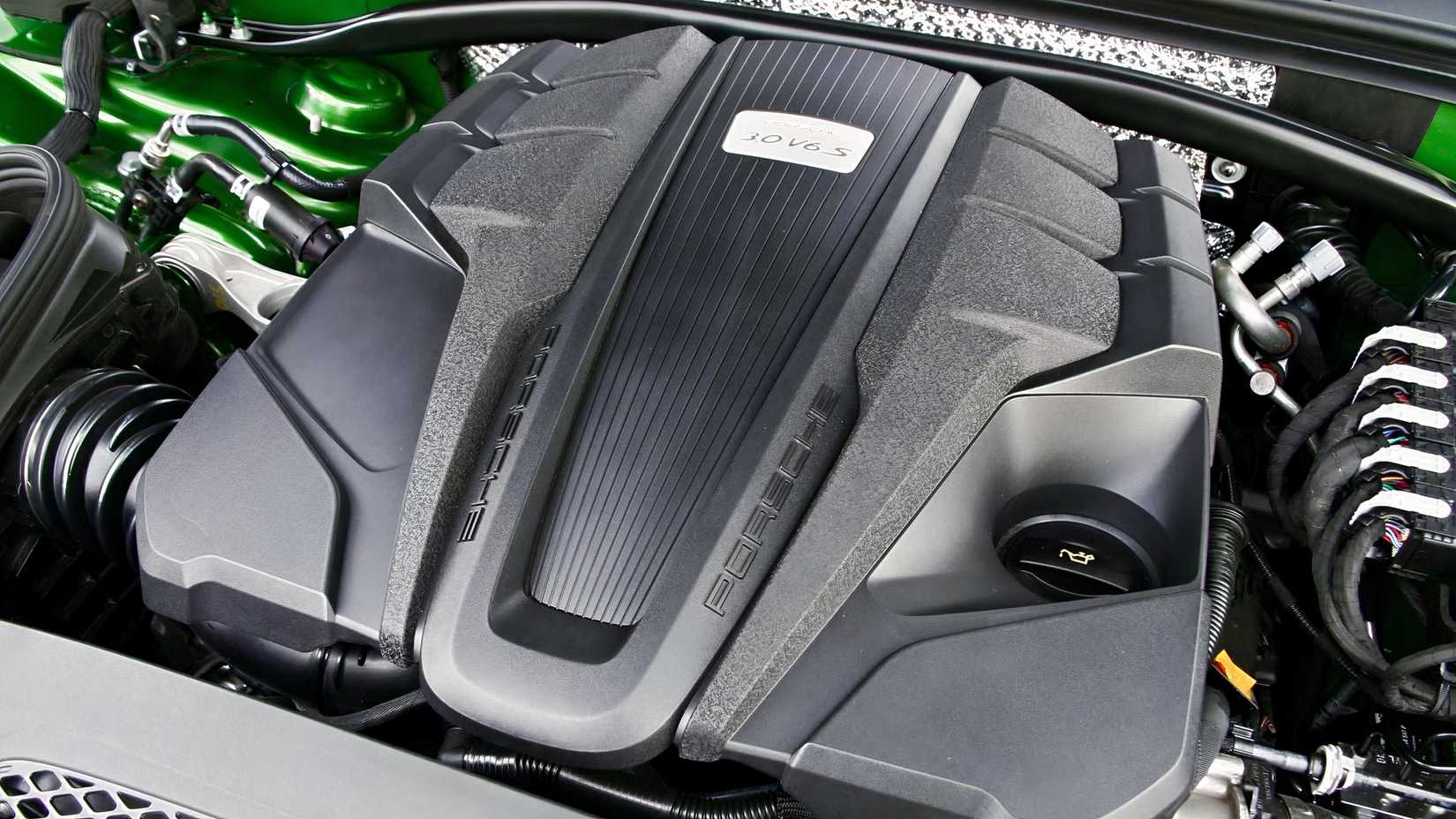
Turbocharged engine options further strengthened the Macan’s appeal. Early base Macan models used a turbocharged 2.0-liter four-cylinder producing 248 horsepower and 273 pound-feet of torque, while the Macan S upgraded to a turbocharged V6 delivering up to 348 horsepower and 354 pound-feet in later configurations. Higher-performance Macan GTS models pushed output even further, with newer versions producing as much as 434 horsepower and 405 pound-feet of torque. Car and Driver recorded 0–60 MPH times as low as 4.3 seconds for certain Macan GTS models equipped with Porsche’s PDK transmission.
Porsche Macan Specs
|
Porsche Macan |
Porsche Macan S |
Porsche Macan GTS |
|
|
Engine |
2.0-liter Turbocharged I4 |
Twin-Turbo V6 |
Twin-Turbo V6 |
|
Horsepower |
248 hp |
348 hp |
434 hp |
|
Torque |
273 lb-ft |
354 lb-ft |
405 lb-ft |
|
Transmission |
7-Speed PDK |
7-Speed PDK |
7-Speed PDK |
|
Drivetrain |
AWD |
AWD |
AWD |
|
0–60 MPH |
6.3 sec |
5.1 sec |
4.3 sec |
|
Cargo Capacity |
17.2–53 cu-ft |
17.2–53 cu-ft |
17.2–53 cu-ft |
|
Seating |
5 |
5 |
5 |
|
Signature Trait |
Porsche SUV Entry Point |
Luxury & Speed Balance |
Super-SUV Performance |
|
Used Market Range |
$20k–$45k |
$25k–$50k |
$45k–$75k |
Yet despite all of that performance and Porsche engineering, used Macan pricing has become surprisingly reasonable. According to market listings and valuation data from sources like Kelley Blue Book and Edmunds, early Macan models can now regularly be found between roughly $20,000 and $45,000 depending on mileage, trim level, and specification. That creates a very different ownership proposition altogether.
Maintenance History Matters More Than Badge Prestige
Of course, buying a used Porsche still requires caution. Depreciation may have made ownership more attainable, but maintenance and repair costs do not suddenly become cheap simply because the purchase price drops. According to RepairPal, the average Porsche Boxster costs around $952 per year to maintain and repair, while the Porsche Macan averages roughly $1,265 annually — both significantly higher than the average vehicle. That is where many buyers get caught out.
A poorly maintained Porsche can quickly become expensive, which is why service history and pre-purchase inspections matter so much. But when properly maintained, these cars often reward owners with durability, everyday usability, and a level of driver engagement many modern performance cars no longer deliver. And that is exactly why older Porsches suddenly make so much sense. They are no longer unreachable dream cars. In many cases, they have quietly become some of the most compelling enthusiast values on the market.
Sources: Porsche, Bring A Trailer, Kelly Blue Books, Edmunds, Car And Driver, Motortrend, Repairpal