
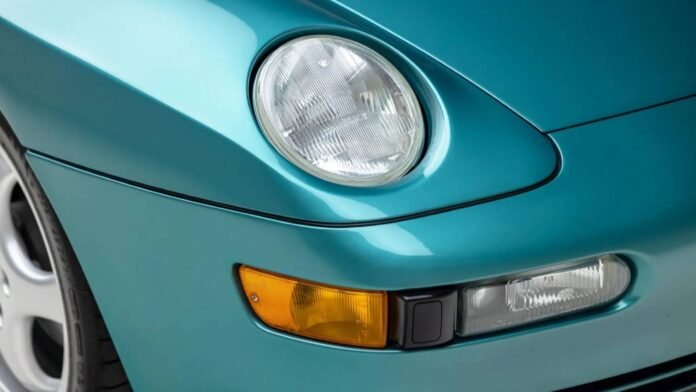
Since its inception in 1948, Porsche has fundamentally redefined the sports car landscape, transforming a boutique engineering consultancy into the world’s benchmark for performance and technical innovation. Its operations began with the lightweight and agile 356, which helped the brand establish a philosophy of harmonized motorsport-proven engineering with everyday usability. This is an approach that Porsche remains dedicated to with its modern productions.
Through the relentless refinement of its iconic rear-engine architecture, the 356 eventually grew into the 911 that we’ve come to know today. Porsche has enjoyed unparalleled dominance in endurance racing, and has consistently pushed the boundaries of automotive potential. By translating high-stakes track technology into road-going masterpieces, the manufacturer has crafted some of history’s most memorable performance vehicles, securing its legacy as an enduring pioneer of driving precision. Beneath its benchmark model is its controversial but essentially bold experimentation of the front-engine transaxle era.
The Birth Of Porsche’s Transaxle Platform
In the 1970s, Porsche pivoted from its singular reliance on the rear-engine layout by introducing the innovative transaxle platform. This configuration was characterized by a front-mounted engine paired with a rear-mounted transmission to achieve near-perfect weight distribution. It was an ambitious diversification that began with the 924, designed to provide a more accessible entry point to the brand. Porsche soon bolstered the lineup with the more powerful Porsche-engineered 928 and the highly capable 944.
These models were transformative for the brand’s footprint in the U.S. They effectively broadened Porsche’s market appeal beyond the niche enthusiast sports car to a wider demographic of professionals seeking sophisticated, balanced handling and long-distance touring comfort. Despite initial skepticism from purists, the transaxle era proved to be a commercial triumph that significantly bolstered Porsche’s sales volume and financial stability in the U.S. during a critical period of corporate restructuring, ultimately cementing the transaxle configuration’s reputation as a hallmark of high-speed stability and engineering excellence.
The New Format Won Fans Over
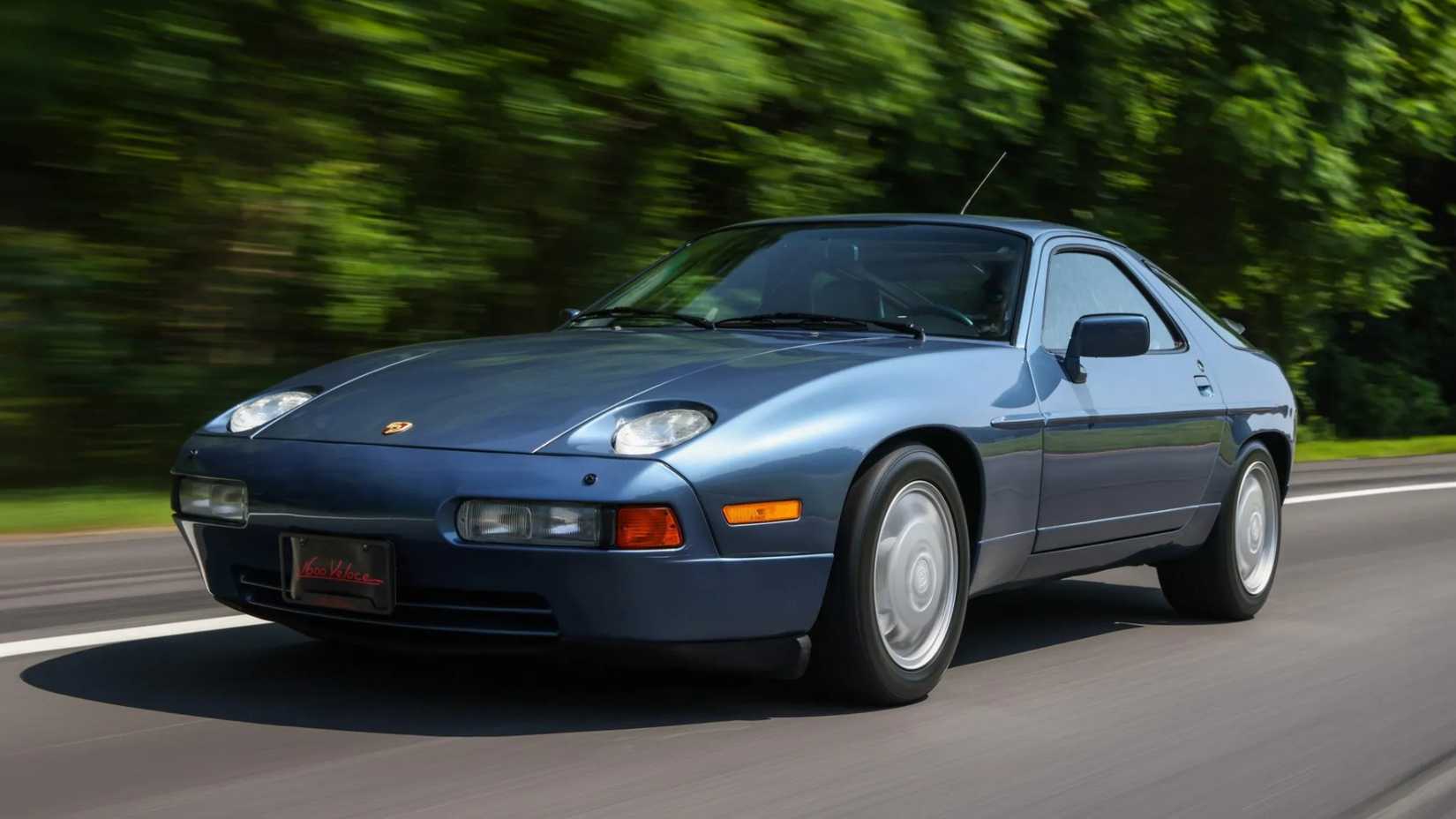
Initially, Porsche’s transition toward front-engine, water-cooled transaxle models was met with significant skepticism from the marque’s die-hard fanbase. Fans of the rear-engined air-cooled models perceived these cars as a departure. For many, the 924 and 944 were unfairly stigmatized as entry-level compromises that diluted Porsche’s authentic ethos. The complex 928 was often viewed as a grand tourer that lacked the tactile, raw essence of a traditional sports car.
Today, enthusiasts continue to experience the balanced chassis, sophisticated handling, and daily usability. These transaxle models are experiencing a profound renaissance, with well-preserved examples becoming increasingly coveted fixtures in the classic car market. Collectors and drivers alike now champion these vehicles not only for their unique place in Porsche’s history but for their rewarding driving dynamics and mechanical approachability, solidifying them as essential, high-value components of the modern classic enthusiast’s garage.
The Porsche 911 Generation Purists Secretly Prefer
The debate over the best Porsche 911 continues, but many enthusiasts see one generation as the perfect balance of performance and driving feel.
The Porsche 968’s Continuation Of The Platform
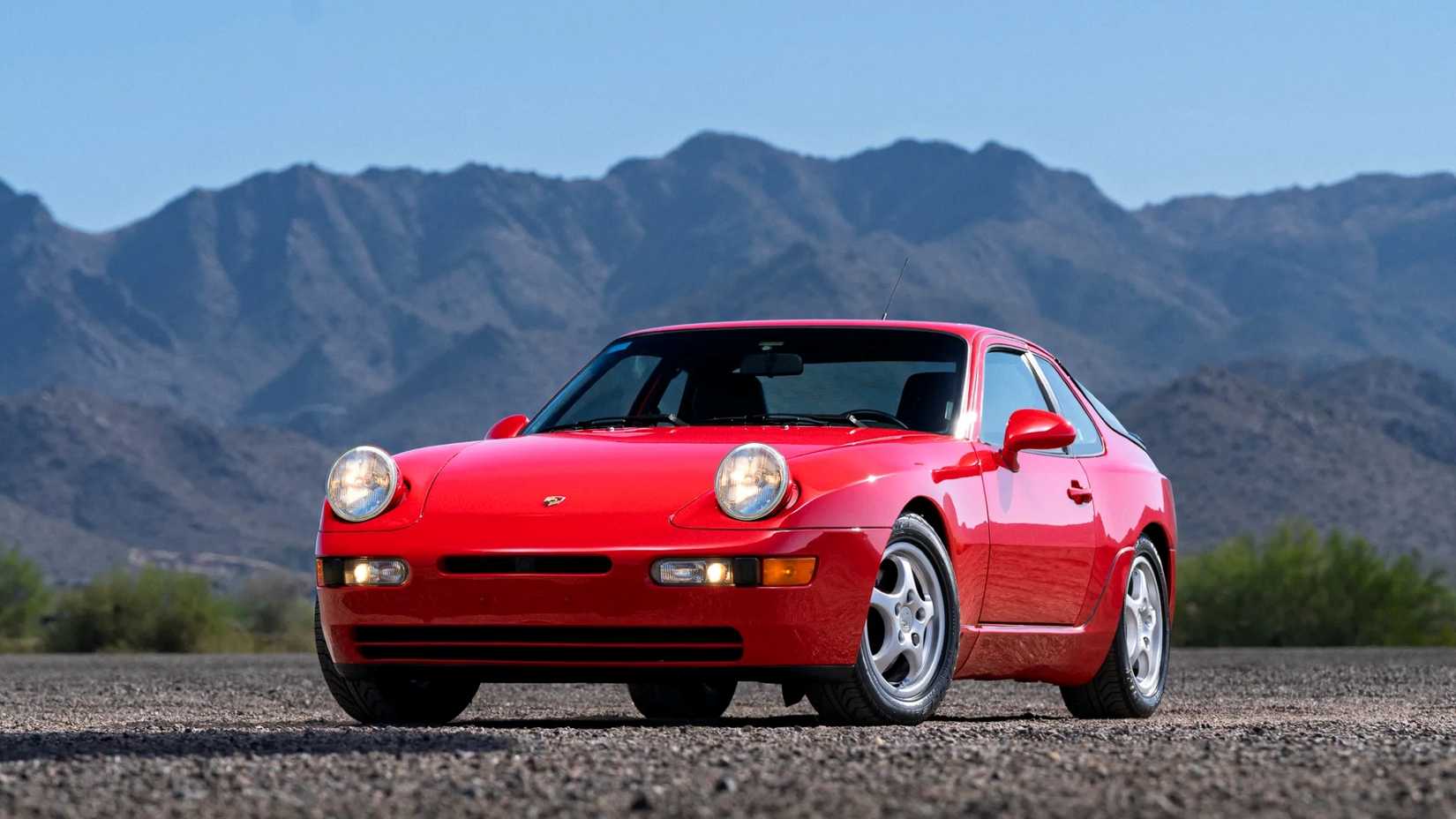
The Porsche 968 arrived in 1991 as the final, most sophisticated evolution of the brand’s long-running water-cooled, front-engined transaxle series. It was a much-needed modernization of the increasingly aging 944 platform, which sources its bones from the Volkswagen Beetle and Mk1 Rabbit. Originally conceived as a 944 S3, the project became so extensive that Porsche ultimately redesignated it the 968, marking the fact that over 80 percent of the vehicle’s components were either new or heavily modified.
Key mechanical introductions included a significantly revised engine featuring the debut of Porsche’s VarioCam variable valve timing system with a broader torque curve. The brand also introduced a new six-speed manual transmission that replaced the 944’s five-speed unit. Visually, the 968 adopted a more streamlined design language reminiscent of the flagship 928. This consisted of exposed pop-up headlights and smoothed-out bumper treatments, successfully bridging the aesthetic gap between the 944‘s 1980s roots and the brand’s forthcoming 993-generation design era.
An Unfortunate And Timely Demise
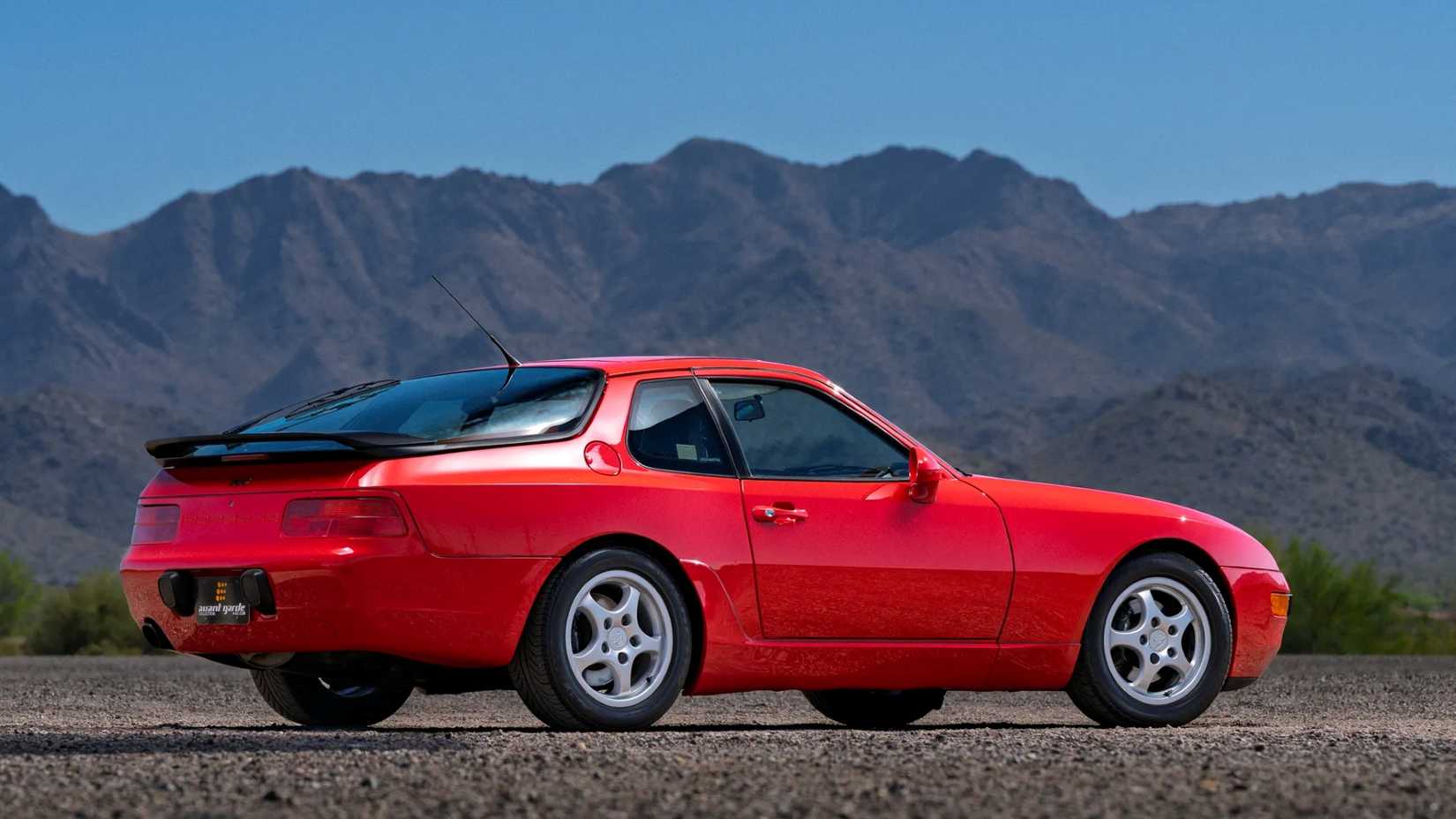
The Porsche 968 had a relatively short production run, manufactured from 1991 to 1995. Commercially, the model struggled to gain traction, with only 12,780 units produced globally over its four-year lifespan. This was a stark contrast to the high-volume success of its predecessor, the 944.
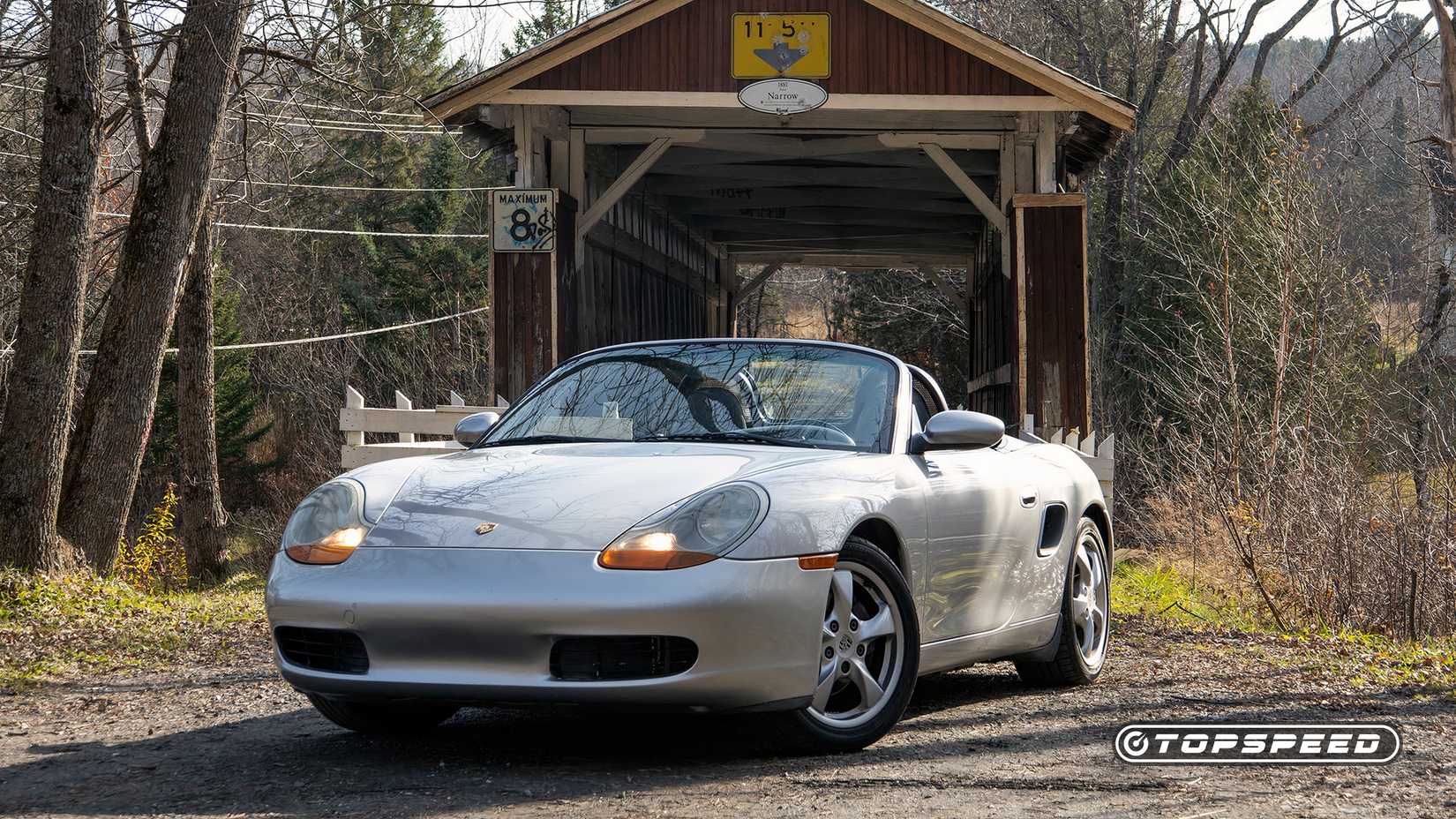
Ultimately, Porsche pulled the plug on the 968 as part of a strategic shift to revitalize the brand. The model was discontinued alongside the 928 to pave the way for a simplified, more focused lineup centered on the upcoming 986 Boxster. This smaller mid-engined compact roadster was designed to better capture the entry-level market while more effectively aligning with the company’s long-term performance identity.
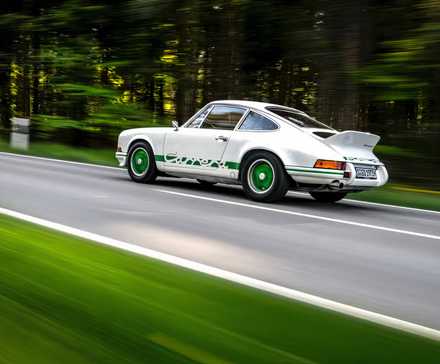
The Ultra-Rare 1970s Porsche That Collectors Have Been Chasing For Decades
The 1973 Carrera RS 2.7 is a timeless masterpiece and the Holy Grail for collectors.
The World’s Largest Production Four-Cylinder Engine
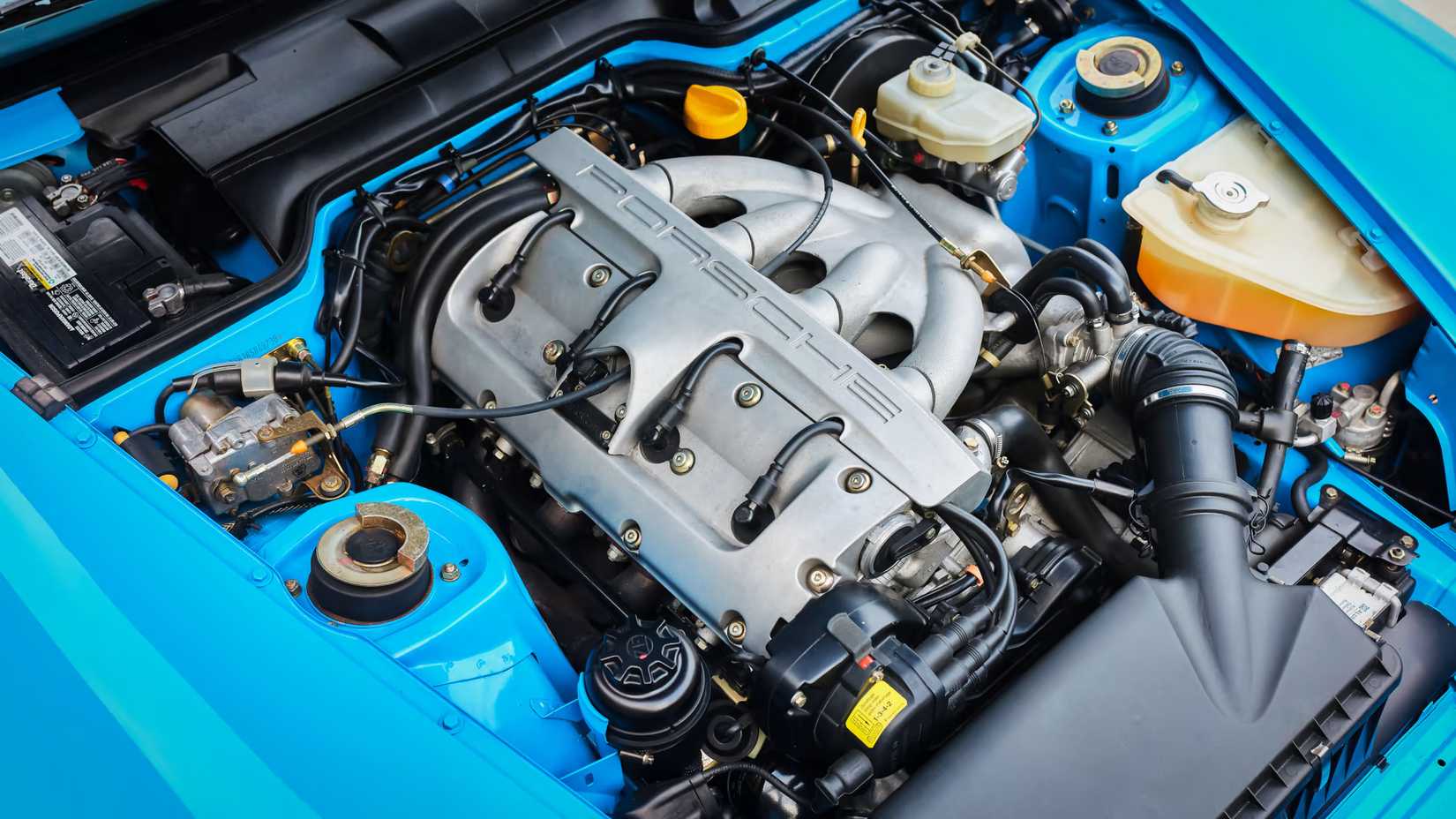
At the heart of the 968 lies a naturally aspirated 3.0-liter four-cylinder engine, which remains one of the largest four-cylinder units ever fitted to a production car. The new valve-timing system resulted in a 236-horsepower and 225 pound-feet of torque output sent to the rear wheels. This output is managed by a standard six-speed manual transmission, but a Tiptronic automatic option was available. The manual coupe model is the fastest of the range, achieving a 0 to 60 MPH time of 6.0 seconds.
Available Models
Select Available Models
Porsche
- Founded
-
1948
- Founder
-
Ferdinand Porsche
- Headquarters
-
Stuttgart, Germany
- Owned By
-
Volkswagen
- Current CEO
-
Oliver Blume
In a straight line, the 968 typically clears the quarter-mile in 14.5 seconds at a trap speed of about 96 MPH. With its optimized aerodynamics and refined transaxle setup, the 968 is capable of reaching a top speed of 156 MPH, solidifying its reputation as a remarkably capable high-speed grand tourer for its era.
A Mix Of Comfort And Performance
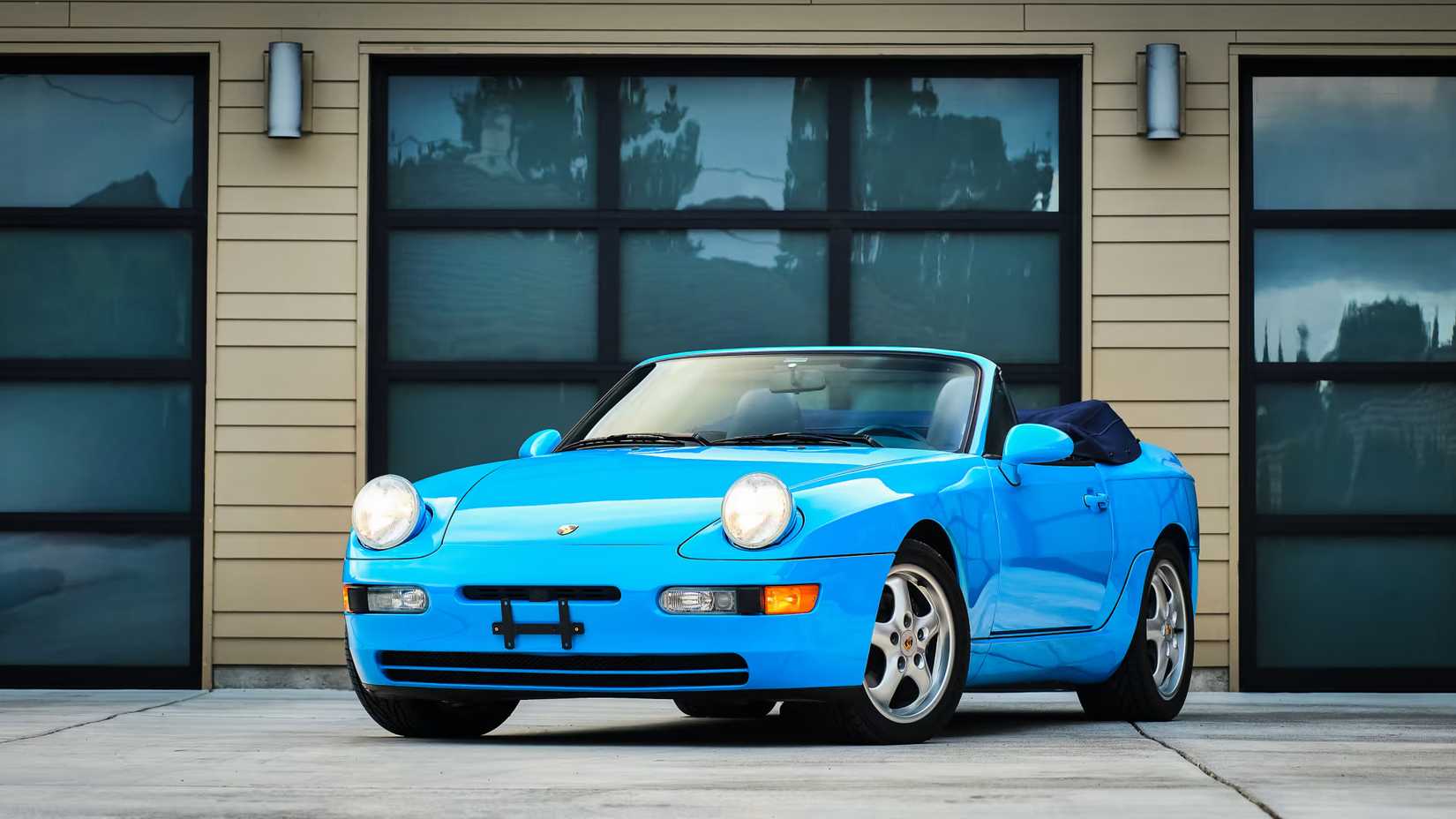
The 968’s suspension was a masterclass in transaxle chassis tuning, utilizing a sophisticated MacPherson strut front setup and a torsion-bar rear axle refined from the 944. Porsche upgraded the layout by widening the track, resulting in significantly improved cornering stability. To manage its performance, Porsche equipped the car with high-performance four-piston Brembo brake calipers derived from the 911 Turbo. Reviewers noted that this provided exceptional stopping power that inspired driver confidence on both technical roads and circuits.
Standard 16-inch Cup design wheels were typically paired with performance-oriented tires, while the option for 17-inch variants allowed for sharper turn-in response. By masterfully balancing its chassis rigidity with a compliant suspension damping profile, the 968 successfully avoided the harshness often found in dedicated sports cars, offering a supple ride quality during long-distance grand touring while maintaining the razor-sharp handling characteristics and near-perfect weight distribution expected of a Porsche.
Porsche’s Tasteful And Tactile Interior
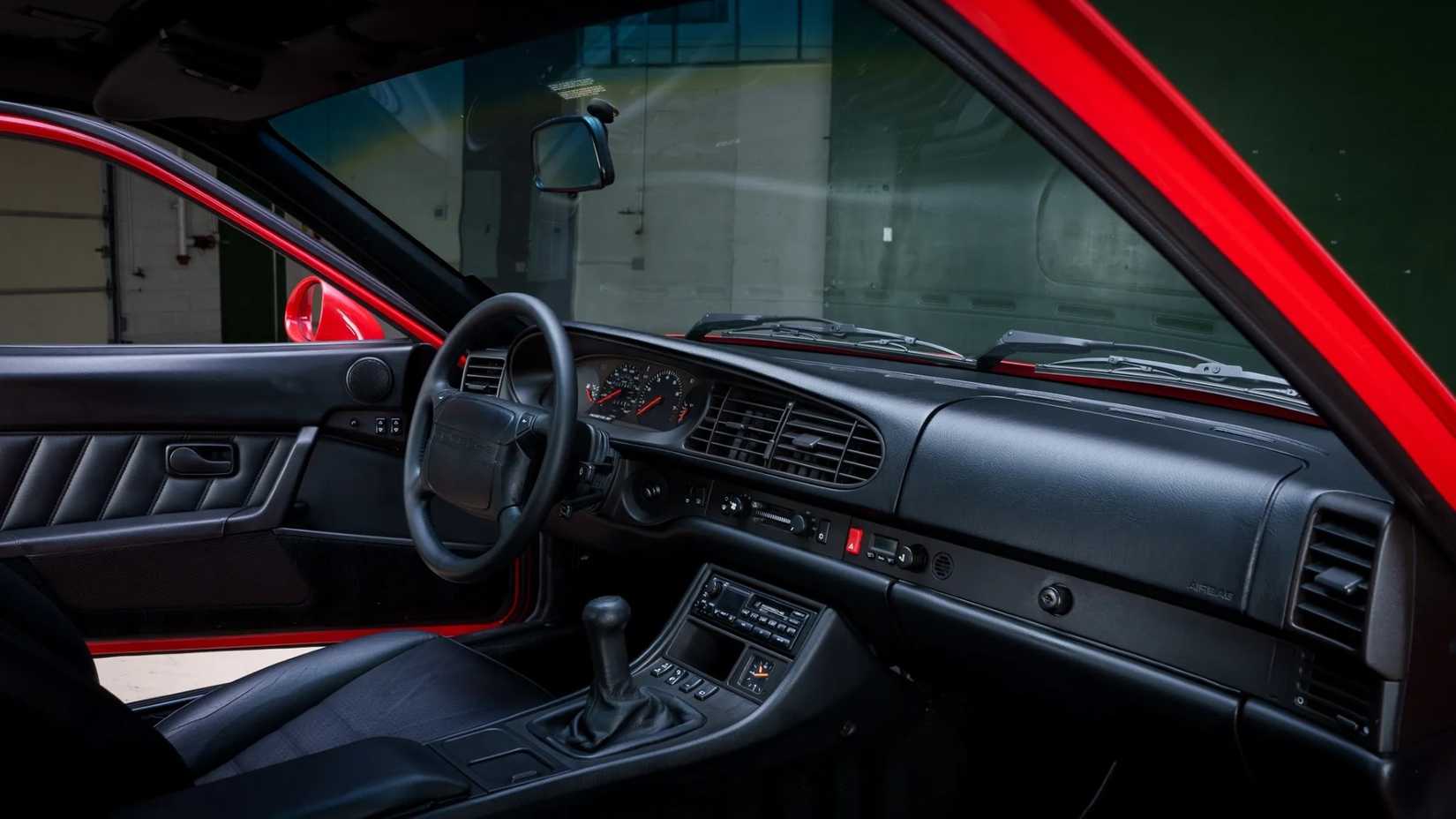
The interior of the Porsche 968 serves as a refined, driver-centric evolution of the 944’s cockpit, emphasizing clear ergonomics and high-quality tactile feedback. The dashboard layout remains intuitive and legible, characterized by a straightforward instrument cluster and strategically placed controls that prioritize ease of use during spirited driving.
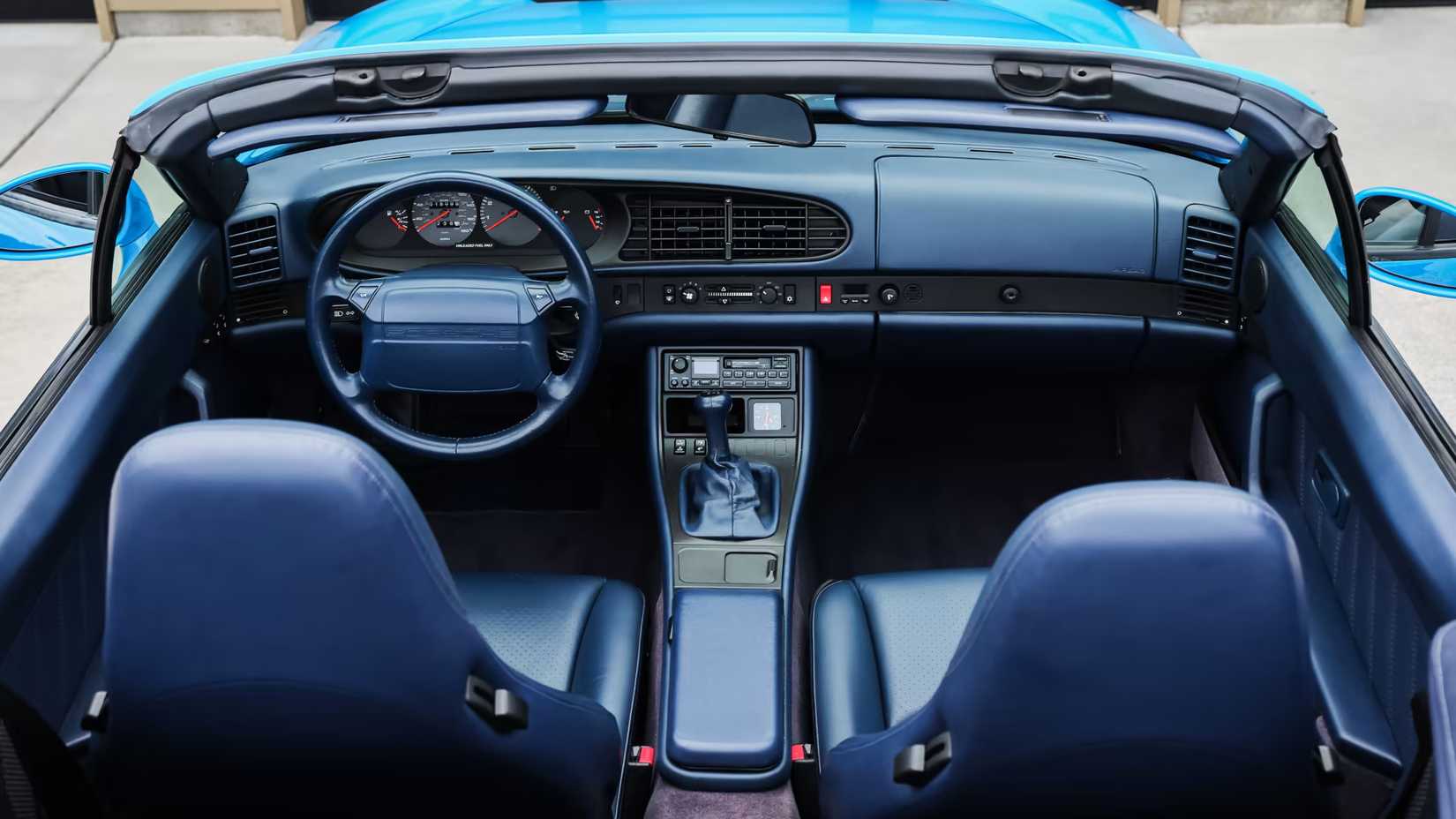
Depending on the buyer’s preference, the cabin could be configured in an astonishing 98 different ways. Options ranged from standard cloth Porsche Script upholstery to luxurious full-leather options that extended to the door panels, console sides, and lower dashboard. By 1994, the cabin received updates such as the 993-style comfort seats, offering enhanced support, and expanded options for power-adjustable seating in various configurations.
Germany’s Answer To Honda’s First Daily Supercar
This legendary model sent an iconic powertrain off in style while redefining what a supercar could be for future generations.
The Highly Praised Club Sport
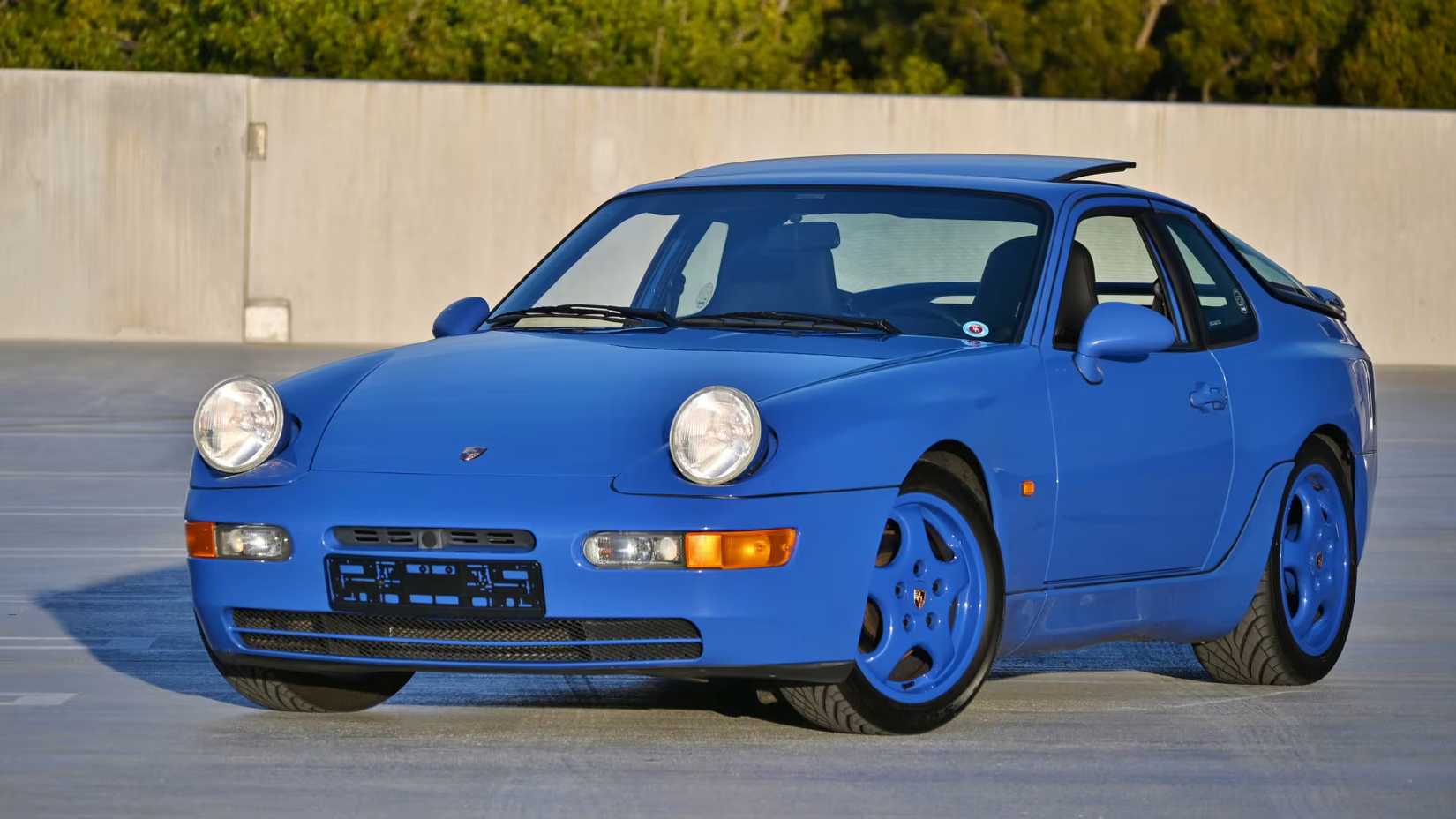
The Porsche 968 Club Sport was introduced in 1993. This special model served as a stripped-out, track-focused evolution of the standard 968 designed to offer maximum driver engagement. The factory removed non-essential equipment, including the rear seats, sound deadening, air conditioning, electric windows, and the rear wiper. These exclusions cut the weight down by 220 pounds.
Supplementing these reductions were race-inspired upgrades, such as fixed-back Recaro bucket seats, a thicker-rimmed three-spoke steering wheel, a lowered ride height with stiffer suspension, and wider 17-inch wheels. Throughout its production from 1993 to 1995, 1,923 units were produced, making it the rarest 968 that you can buy today. The car’s reputation for driving purity is underscored by none other than legendary test driver Walter Röhrl, who famously proclaimed the 968 Club Sport to be the best-handling Porsche ever made, highlighting its exceptionally balanced chassis and precise communication as the pinnacle of the brand’s transaxle era.
Current Used Values Are Soaring
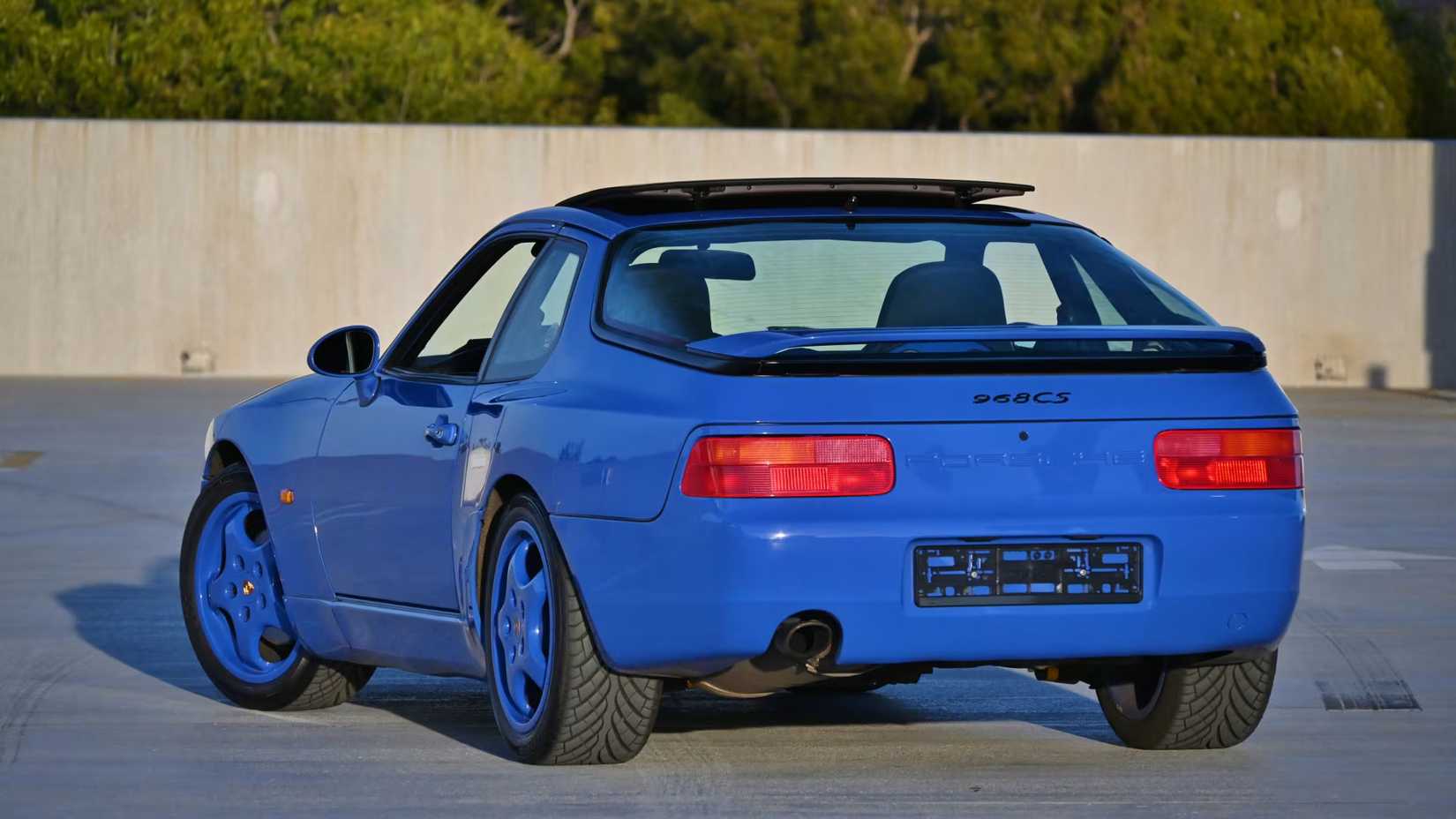
When it debuted in the early 1990s, the Porsche 968 carried an MSRP of approximately $39,950 for the base manual coupe, representing a significant price point for a four-cylinder sports car at the time. In today’s market, as tracked by auction platforms like Bring a Trailer and valuation authorities like Hagerty, values have fluctuated based heavily on condition, mileage, and specific variants.
While average, higher-mileage examples often trade between $20,000 and $35,000, exceptional examples or rare specifications, such as the Club Sport, can command significantly higher figures, occasionally breaching the $70,000 mark. Over the next decade, 968 values are predicted to experience steady appreciation; as the pool of well-maintained, original-condition examples dwindles, the 968’s status as the final evolution of the marque’s classic water-cooled, transaxle era will increasingly attract collectors seeking a more usable, analog alternative to the rapidly appreciating air-cooled 911s.
Sources: Hagerty, Mecum, and Bring a Trailer