
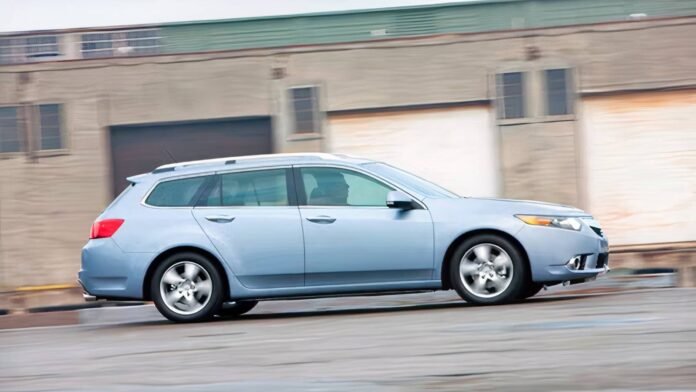
We have seen a slight resurgence in the station wagon market in the U.S. in recent years, but they are not like they used to be. Since the takeover of the SUV, the once-revered road-tripping, commuter-friendly, and rugged wagon has all but been replaced by the ever-growing range of one of our most-sold segments.
Today, most wagons we can buy in the U.S. are not only utilitarian vehicles, but also sporty and plush; in short, they are real statement pieces. Back when wagons were more common on our roads, most of them got the job done in a more straightforward fashion, but there was a 2010s luxury Japanese wagon that was ahead of its time. It was overbuilt to be reliable; it has a strong engine under the hood, and you get a lot of sporty and luxe feels from it. It is the kind of wagon that makes you rethink buying an SUV.
Luxury Wagons On The U.S. Market Today
Today, there are a total of seven station wagons we can buy in the U.S.A. in 2026. Volvo has released the Volvo V60 Cross Country; Audi has the A6 All Road and RS6 Avant Performance; Porsche has released a line of Taycan wagons; BMW has the M5 Touring, and Mercedes offers the E450 All-Terrain Wagon and Mercedes-AMG E53 Wagon.
All of them are built to be plush competition to the burgeoning luxury SUV market, while offering some intense performance action; we’d say it is working. For example, the AMG E53 Wagon comes equipped with a plug-in 3.0-liter twin-turbo inline-six good for up to 604 horsepower and 553 pound-feet of torque and an athletic and serene cabin.
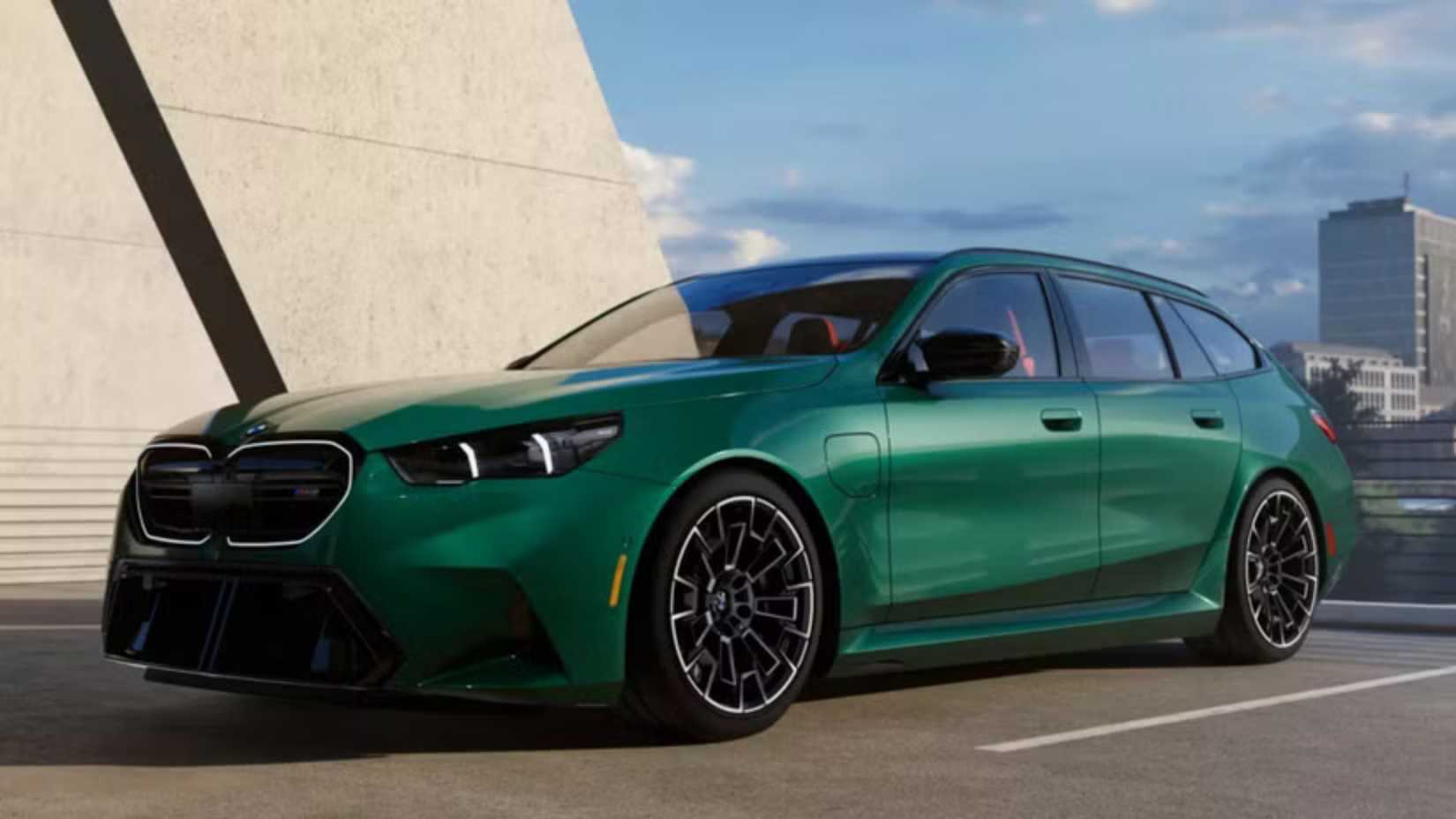
The M5 Touring has a 718-horsepower twin-turbo V8 under the hood, 0–60 mph times of 3.2 seconds, and can carry 59.3 cubic feet of stuff around, while the new V60 Cross Country gets all the Volvo-esque restraint in the cabin, all-wheel drive as standard, and can carry up to 60.5 cubic feet with all the seats folded down. The only downside of the new luxury wagon market: it is expensive. These are not the average family haulers; they are proper, fancy, utilitarian performance vehicles. This year’s U.S. wagon lineup has the following starting prices.
|
2026 Volvo V60 Cross Country |
2026 Audi A6 All Road |
2026 Mercedes-Benz E 450 All-Terrain |
2026 Mercedes-AMG E53 Wagon |
2026 Porsche Taycan Cross Turismo |
2026 BMW M5 Touring |
2026 Audi RS6 Avant Performance |
|
|---|---|---|---|---|---|---|---|
|
MSRP |
$53,595 |
$73,100 |
$78,300 |
$93,350 |
$120,095 |
$125,300 |
$132,590 |
How Japanese Wagons Came And Went
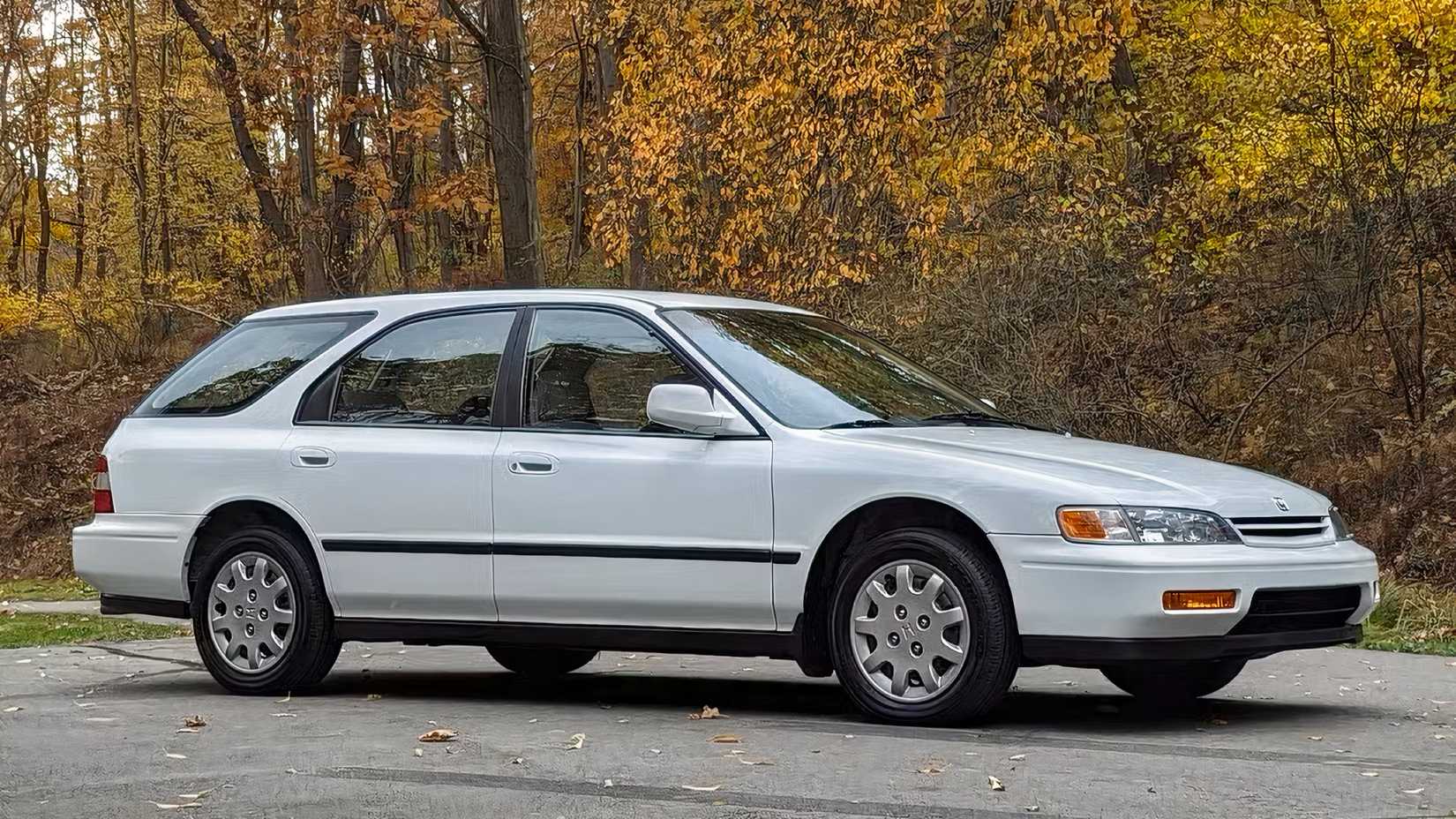
While we are hard-pressed to call the Subaru Outback a wagon anymore (which is still available), Japanese automakers didn’t ignore the wagon formula. In the ’80s and ’90s, brands like Toyota, Honda, and Subaru leaned into practicality first, building wagons that mirrored their sedan lineups, only with tougher builds and more room.
Models like the Camry Wagon and Accord Wagon were designed as simple machines, while the Subaru Legacy Wagon and, later, the Outback began blending all-weather guts and everyday comfort into one model. These models weren’t made to overhaul the market; instead, they were made to last and often outlive flash-in-the-pan trends and rack up the miles.
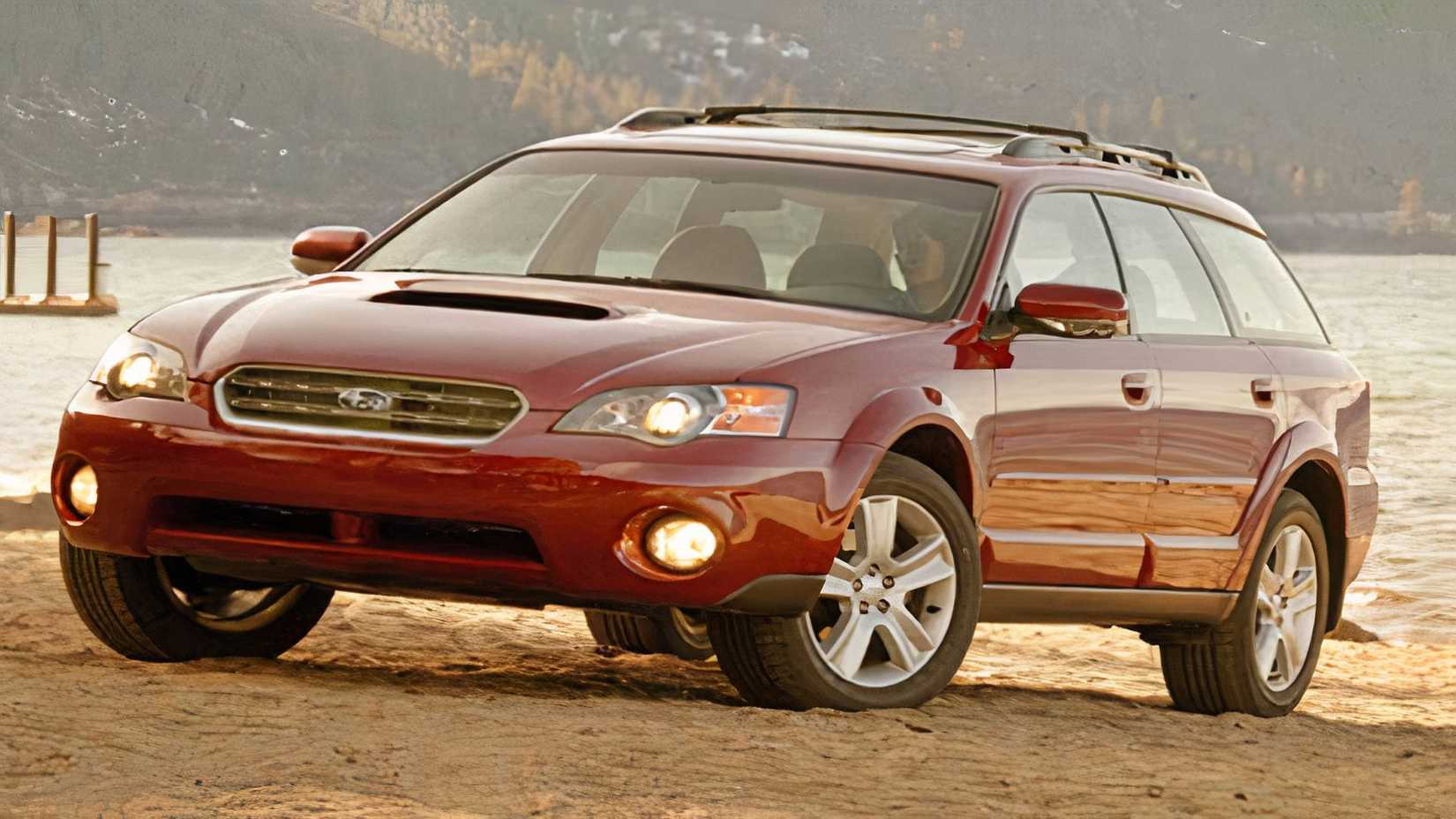
By the 2000s, brands like Lexus and Mazda rolled out the IS SportCross and Mazda6 Sport Wagon, but they failed to gain any real traction in a market that was becoming more obsessed with SUVs. Even as Japanese wagons evolved with sharper handling, posher interiors, beefier engines, and more tech, the market had already shifted toward crossovers and small SUVs like the CR-V and RAV4.
By the early 2010s, most mainstream Japanese wagons had quietly disappeared from our showrooms, leaving only a few niche luxury models. This is why there is a luxury-leaning, European-inspired Japanese wagon that survived into the mid-2010s that deserves a lot of attention today for its bulletproof build, near-luxe interior, and indestructible engine.
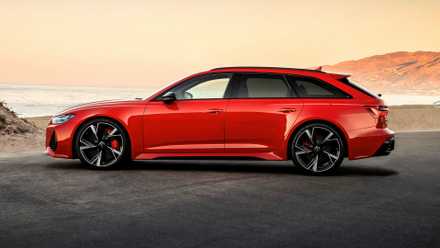
Forget SUVs — These Performance Wagons Do Everything Better
Overlooked as families clamor for SUVs, modern wagons mirror core SUV strengths and, as these examples show, often add performance and efficiency.
The Acura TSX Sport Wagon Was Ahead Of Its Time
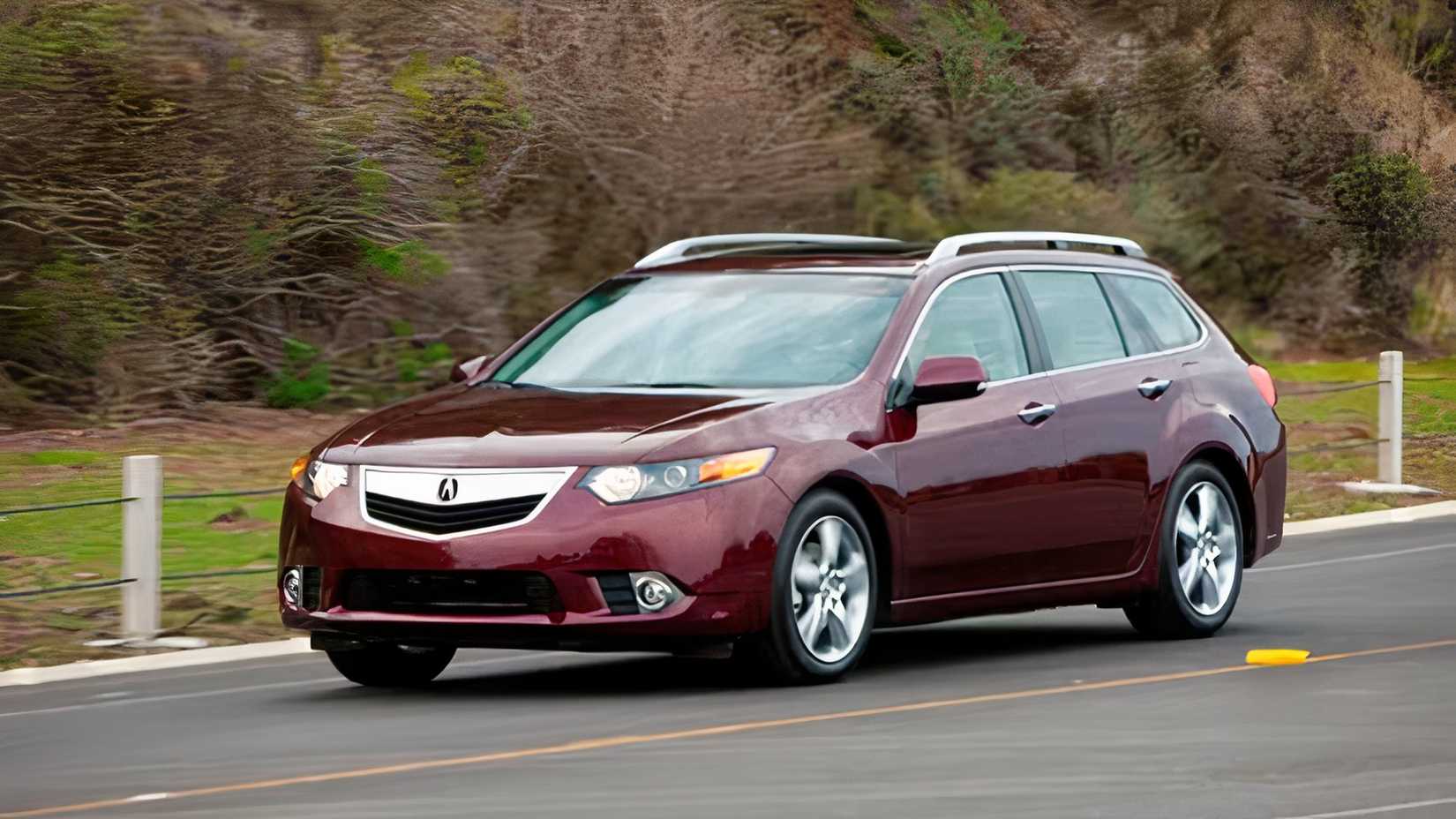
Based on the European and Japanese models of the Honda Accord, the Acura TSX Sport Wagon was built for just four model years between 2011 and 2014. The TSX was a longer-lasting model, from 2003 to 2014, but these niche luxury wagon models really helped to set the scene for some of the best luxury wagons we have today. Starting prices for the TSX Sport Wagon were slightly more expensive than the TSX sedan lineup, but they were still originally cheaper than its European counterparts. 2011–2014 TSX Wagon original MSRPs are as follows.
|
2011 TSX Sport Wagon |
2012 TSX Sport Wagon |
2013 TSX Sport Wagon |
2014 TSX Sport Wagon |
|
|---|---|---|---|---|
|
Original MSRP |
$31,820 |
$32,255 |
$32,775 |
$32,880 |
A European-Inspired Design With Japanese Reliability
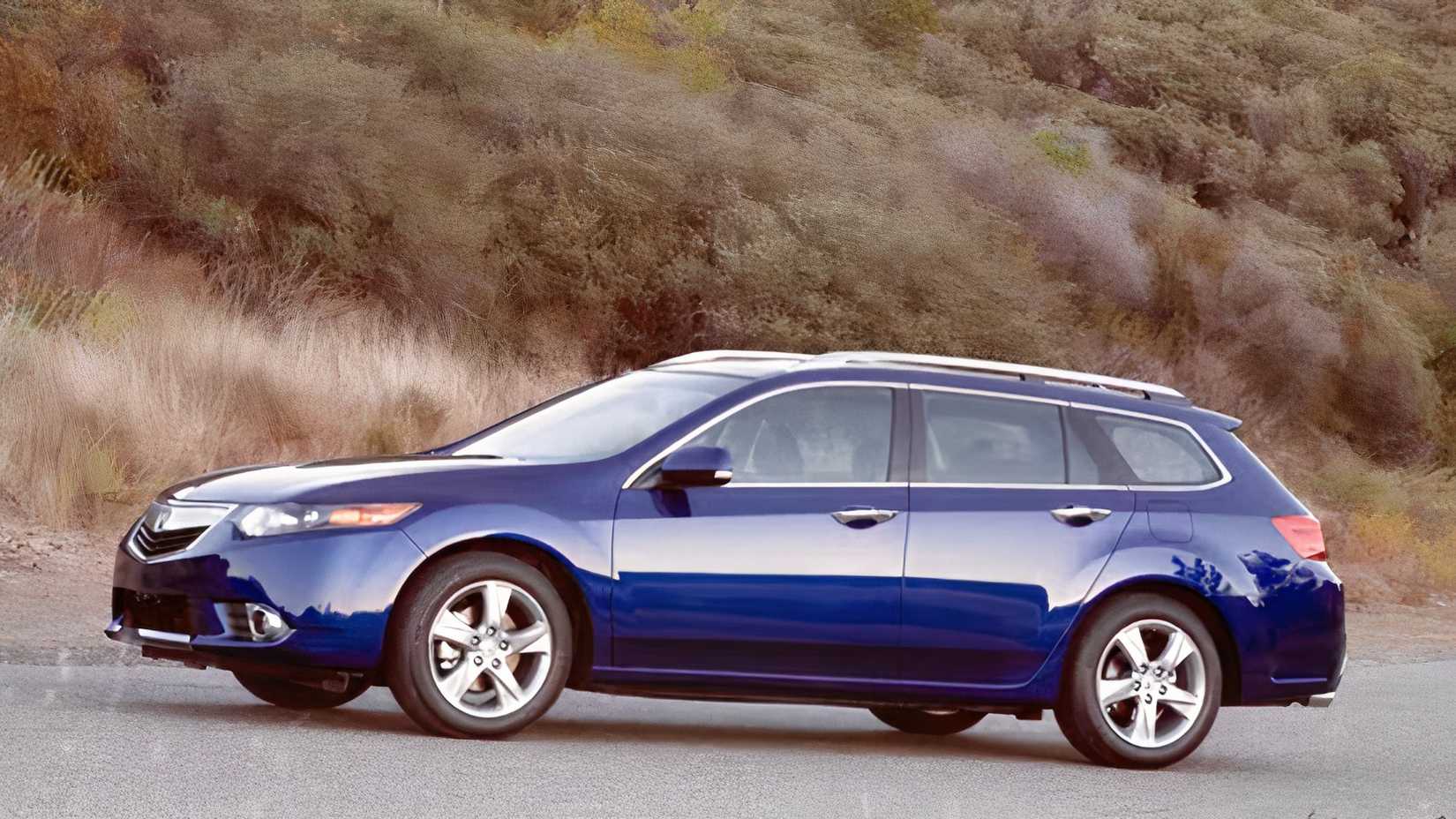
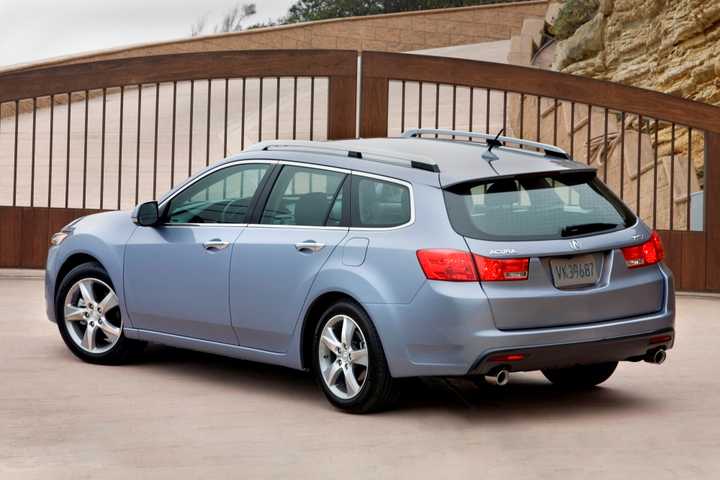
The TSX Sport Wagon may not look like the intense performance wagons we have today, but unlike traditional U.S.-market wagons, it is closer in style to an A4 Avant than a Chevy Caprice Estate. It has a long hood, sits lower, has tighter overhangs, and a roofline that stretches back smoothly before tapering at the rear. Even details like the subtle rear haunches, a raked rear window, and relatively sculpted body lines give it a clean, athletic look that European wagons have nailed for decades.
Then there is the Honda-grade reliability of the TSX Sport Wagon; according to reviews on Kelley Blue Book, it is rated 4.8 out of 5 overall by owners, with an exceptionally impressive rating of 4.9 out of 5 for reliability. There have been 200 reviews of the TSX Sport Wagon, and 95 percent of owners would recommend it. The TSX Sport Wagon also gets the following owner ratings on Kelley Blue Book.
|
Performance Rating |
Value Rating |
Quality Rating |
Styling Rating |
Comfort Rating |
|---|---|---|---|---|
|
4.7/5 |
4.8/5 |
4.8/5 |
4.8/5 |
4.8/5 |
RepairPal also says that it will cost you just $472 a year, on average, to maintain a TSX Wagon, making it far cheaper than the $652 it is estimated to cost to maintain the average vehicle today. Of course, some parts may be harder to find because of its age, but because it was based on the Honda Accord Tourer, a lot of parts are shared with the seventh- and eighth-gen Accord and CR-V.
Why Buyers Overlooked It When It Was New
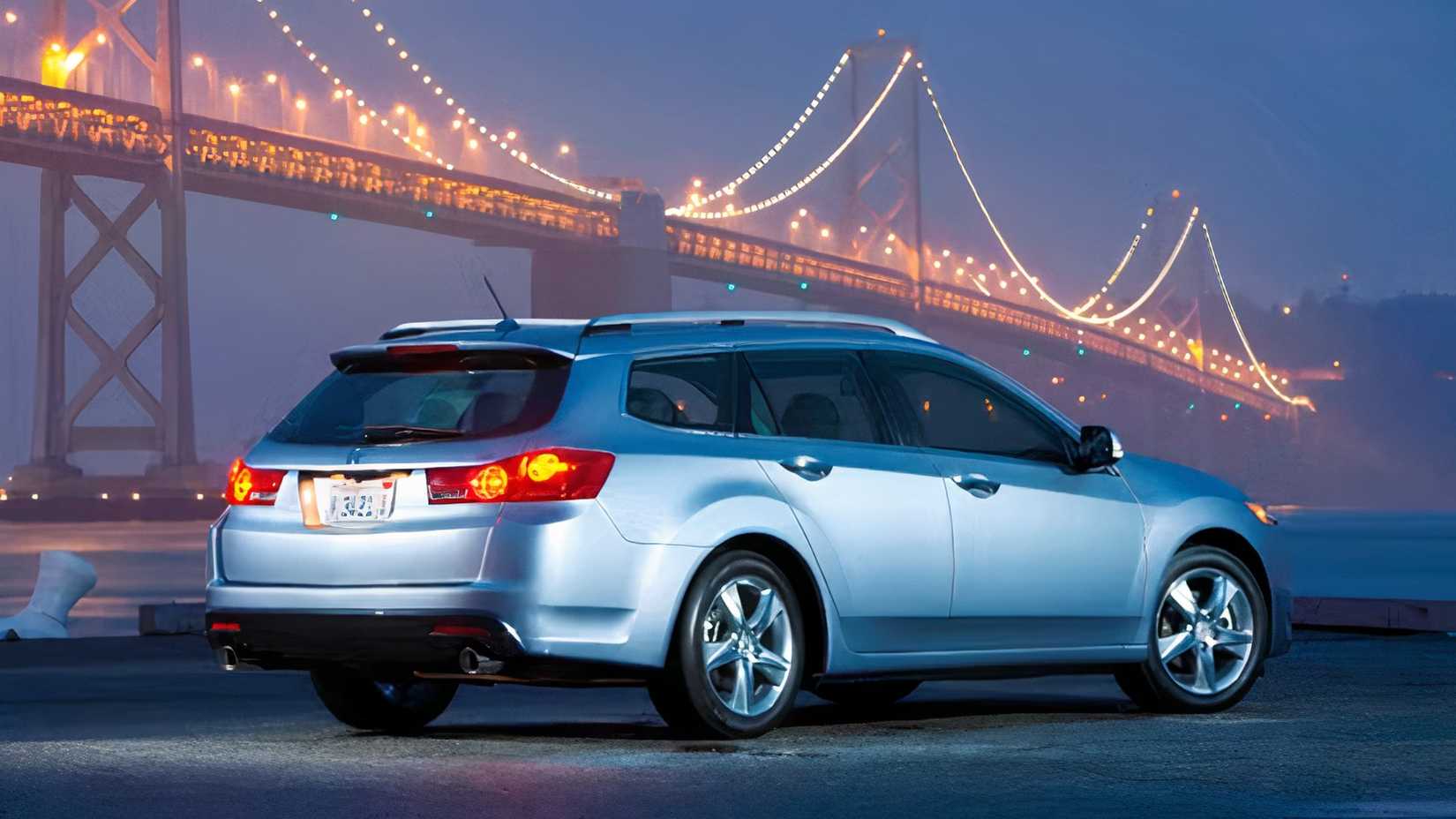
According to reports, there were only roughly 10,000 TSX Sport Wagon models sold in the U.S.A. during its short model life, so while not the rarest model ever, it was not the Corolla of the roads. A big part of why the Sport Wagon didn’t fly out of the showrooms is because of timing.
Models like the Toyota RAV4 and the Honda CR-V were understandably selling fast at the time, so no matter how good a wagon was, they were seen at the time as a little outdated and too close to the family haulers from the past. The Sport Wagon didn’t fit the market as well as it should; it is lower to the road, less rugged-looking, and doesn’t offer the perceived versatility or driving position that buyers at the time wanted.
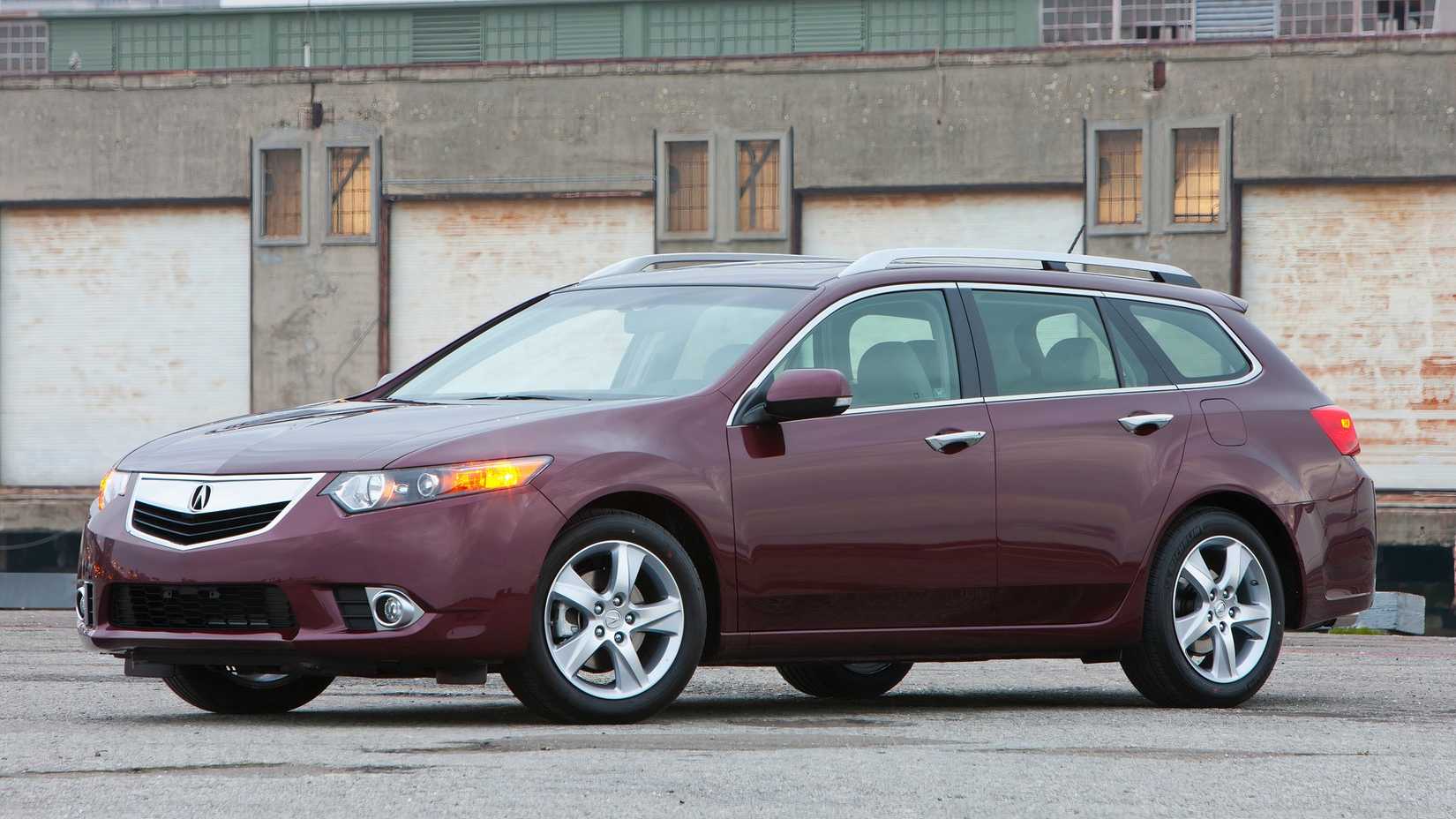
Unlike enthusiast wagons, the TSX Sport Wagon also sat in a difficult position; it is only offered with an automatic transmission, so it didn’t appeal to purists who want a manual; it is front-wheel drive only, whilst AWD was becoming a key selling point in the premium lineups at the time, and Acura’s badge didn’t carry the weight of a lot of European brands at the time. Together, what we got was a wagon that was genuinely ahead of its time, but it was launched into a market that was moving on.
Speed And Practicality: The Fastest Wagons Of The Last Decade
The fast wagon niche promises excellent practicality with the kind of power and fun that you’d normally expect from a sports sedan or sports car.
The Acura TSX Sport Wagon Earns Its Reputation For Longevity
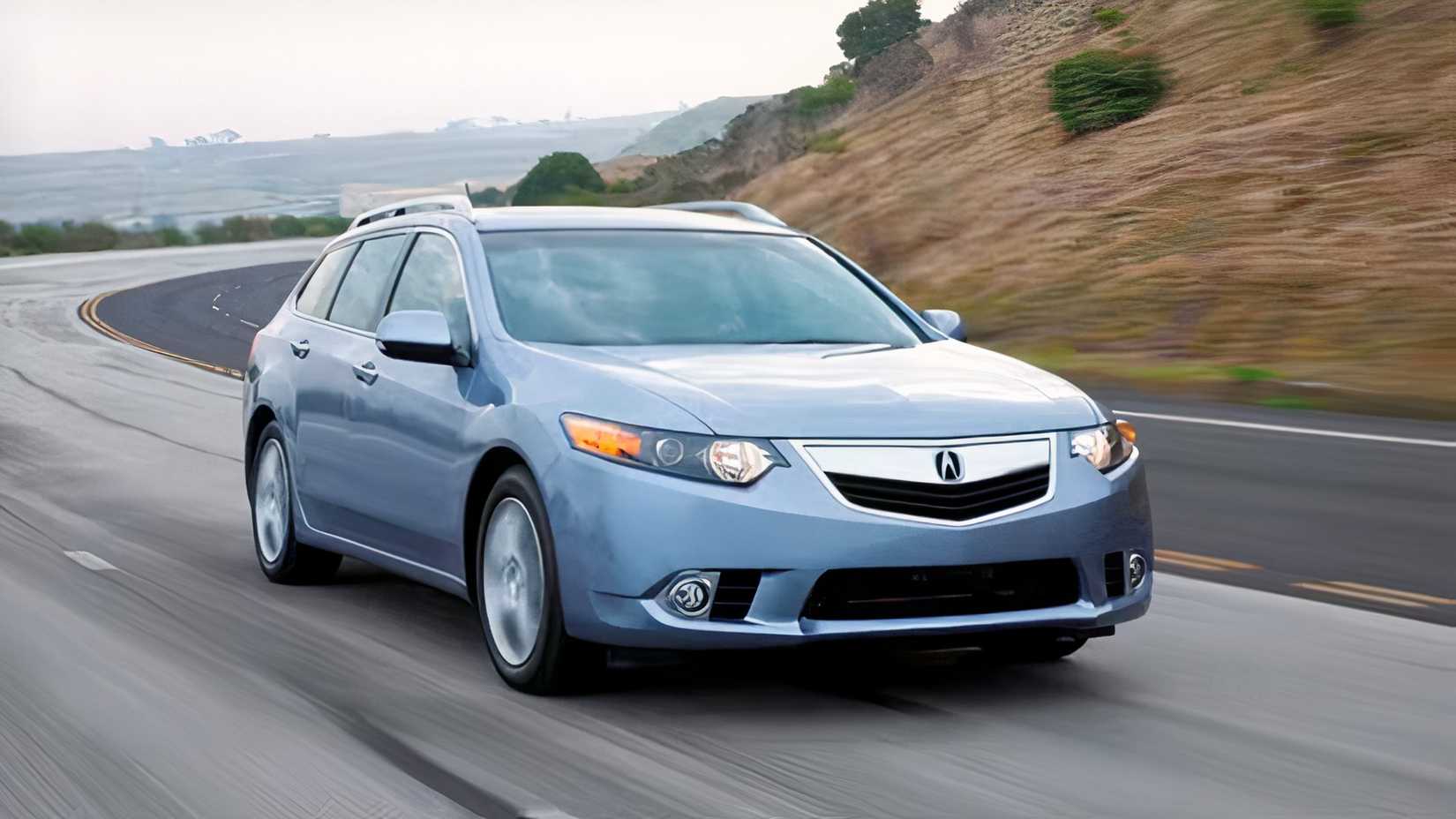
On top of what the TSX Wagon looks like, one of the main reasons that this wagon should have gotten more attention is how it is built. You get the expertise of Honda behind it, and while Acura may be the more premium version of the rock-solid Japanese marque, the same build priorities and attention to usability are carried over.
Underneath, the Sport Wagon sits on the same underpinnings as the Honda Accord Tourer, not the softer, larger U.S.-market Accord, but the tighter, more rigid global platform developed for the European and Japanese markets. This version of the Accord was made with a stronger focus on chassis stiffness, more compact dimensions, and higher structural integrity, all of which help to make the TSX Wagon bulletproof.
The Bulletproof K24 Engine, A Rock-Hard Build, And Proven Components
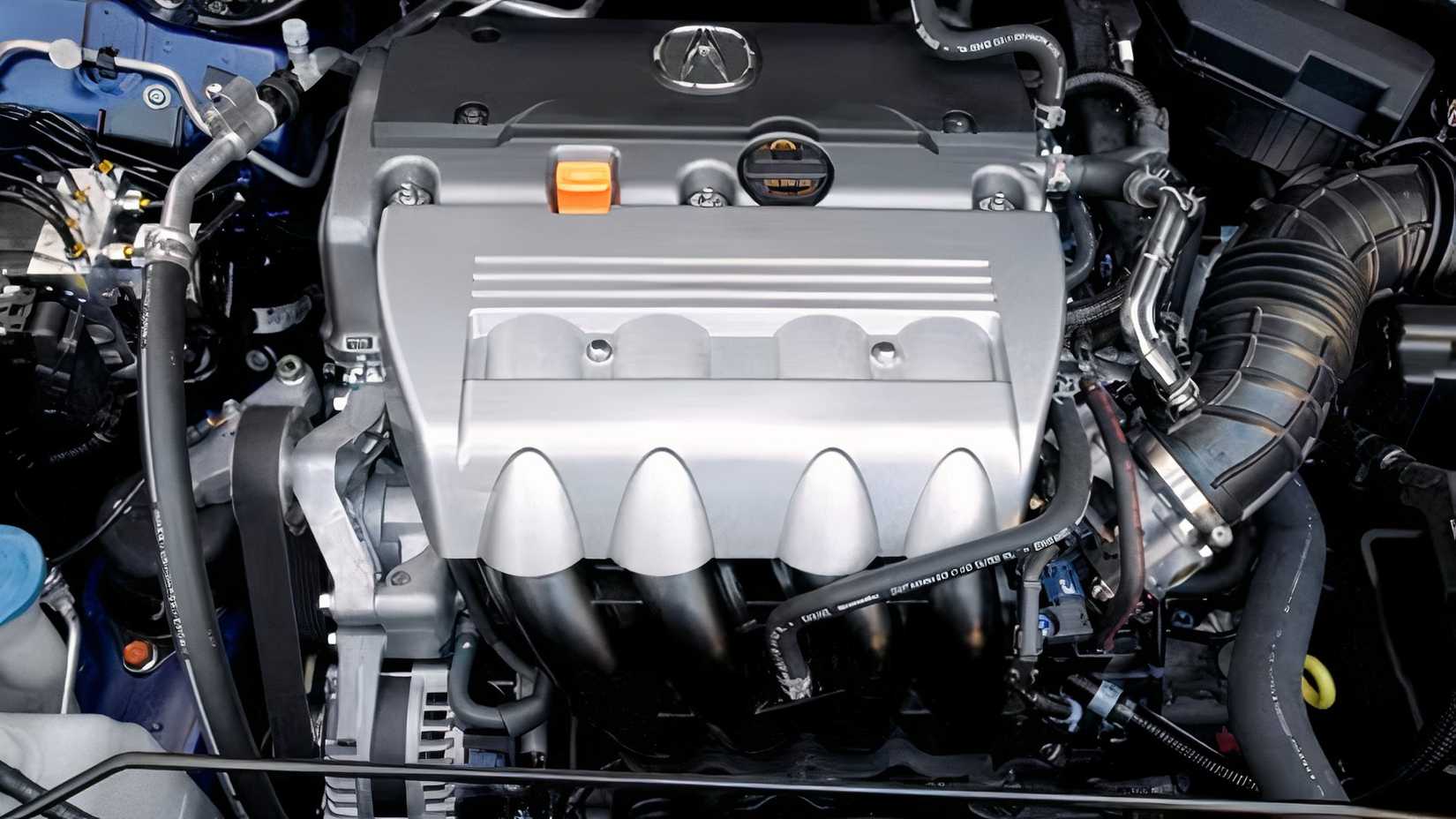
There is just one engine option for the 2011–2014 TSX Sport Wagon: a 2.4-liter inline-four. Horsepower and torque output are maybe a little meager compared to performance wagons, but the integrity of the mill is what helps the Sport Wagon keep rolling on. The TSX Sport Wagon has the following specifications.

- Base Trim Engine
-
2.4L Inline-4 Gas
- Base Trim Transmission
-
5-Speed Automatic
- Base Trim Drivetrain
-
Front-Wheel Drive
- Base Trim Horsepower
-
201 hp
- Base Trim Torque
-
170 lb-ft @ 4300 rpm
- Fuel Economy
-
22/30 MPG
- Make
-
Acura
- Model
-
TSX Sport Wagon
- Segment
-
Compact Luxury Sedan
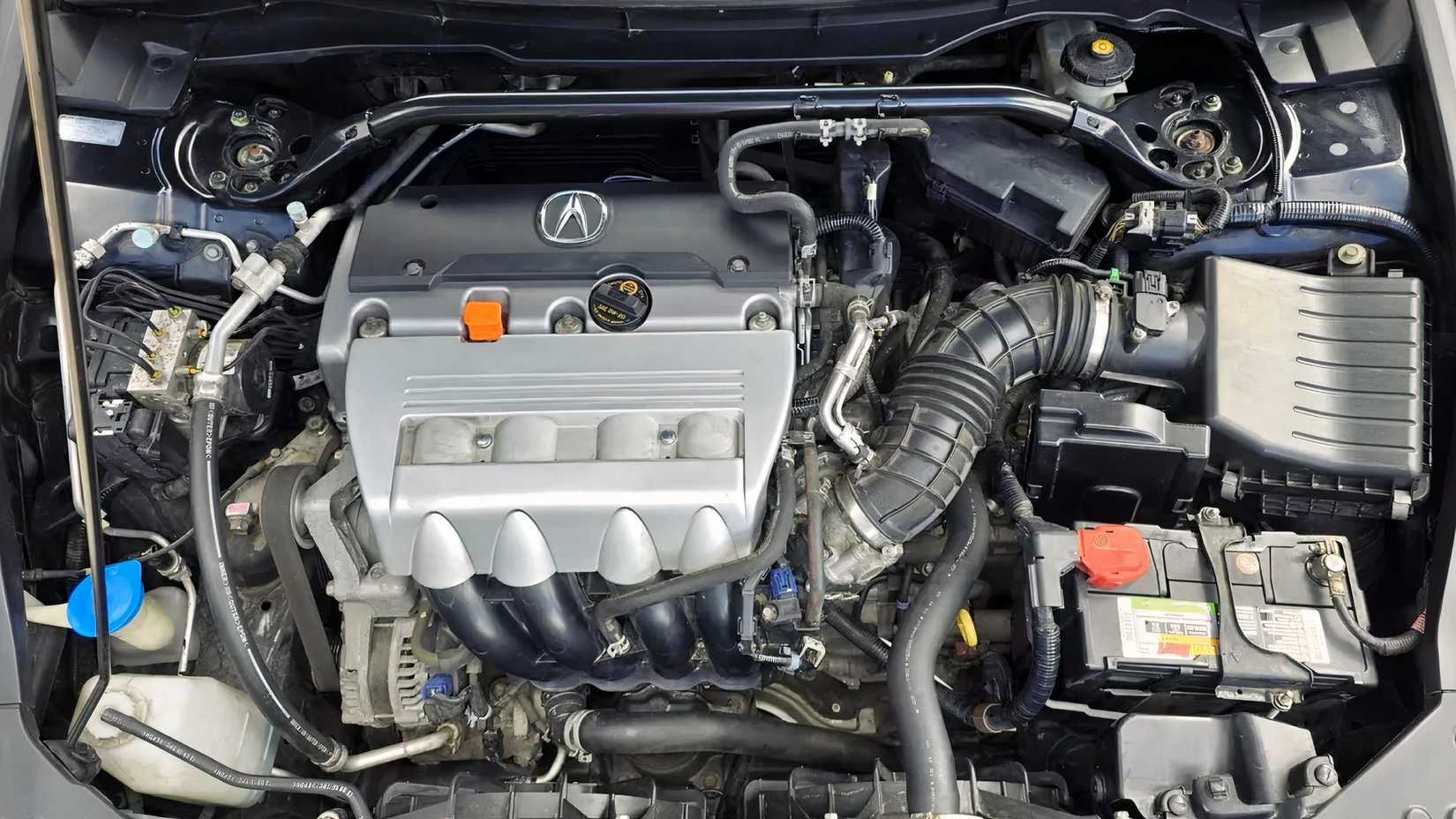
The engine in the TSX Sport Wagon is part of the bulletproof Honda K24 engine family; more specifically, it uses the K24Z3. It can rev very highly, with a redline of 7,100 rpm, but it isn’t a high-strung, high-stressed engine. It uses a forged steel crankshaft, a timing chain instead of a belt, and it has a relatively simple, naturally aspirated layout. Honda’s i-VTEC system is tuned here for smooth power delivery and efficiency rather than outright aggression, which also helps reduce long-term wear. The K24 engine in the TSX Sport Wagon is also conservatively engineered; compression, cooling, and internal tolerances are all designed with longevity in mind; there are no turbos adding heat and pressure, and no overly complicated valvetrain design.
Then there is the transmission; it is not a CVT or dual-clutch, but uses a relatively simple planetary gearset, a hydraulic valve body, and a traditional torque converter. The gear ratios are spread in a way that keeps the K24 engine running comfortably in its mid-range most of the time, and avoids high-RPM strain, while the transmission itself relies on proven, wide-tolerance clutch packs and durable steel components that were already being used across Honda and Acura models.
The TSX Sport Wagon has a double-wishbone front and a multi-link rear, with hardy mounting points. You do get a relatively comfortable ride from the suspension rig, but the real talking point is how it is designed to be left on the road for a decade and still feel composed.
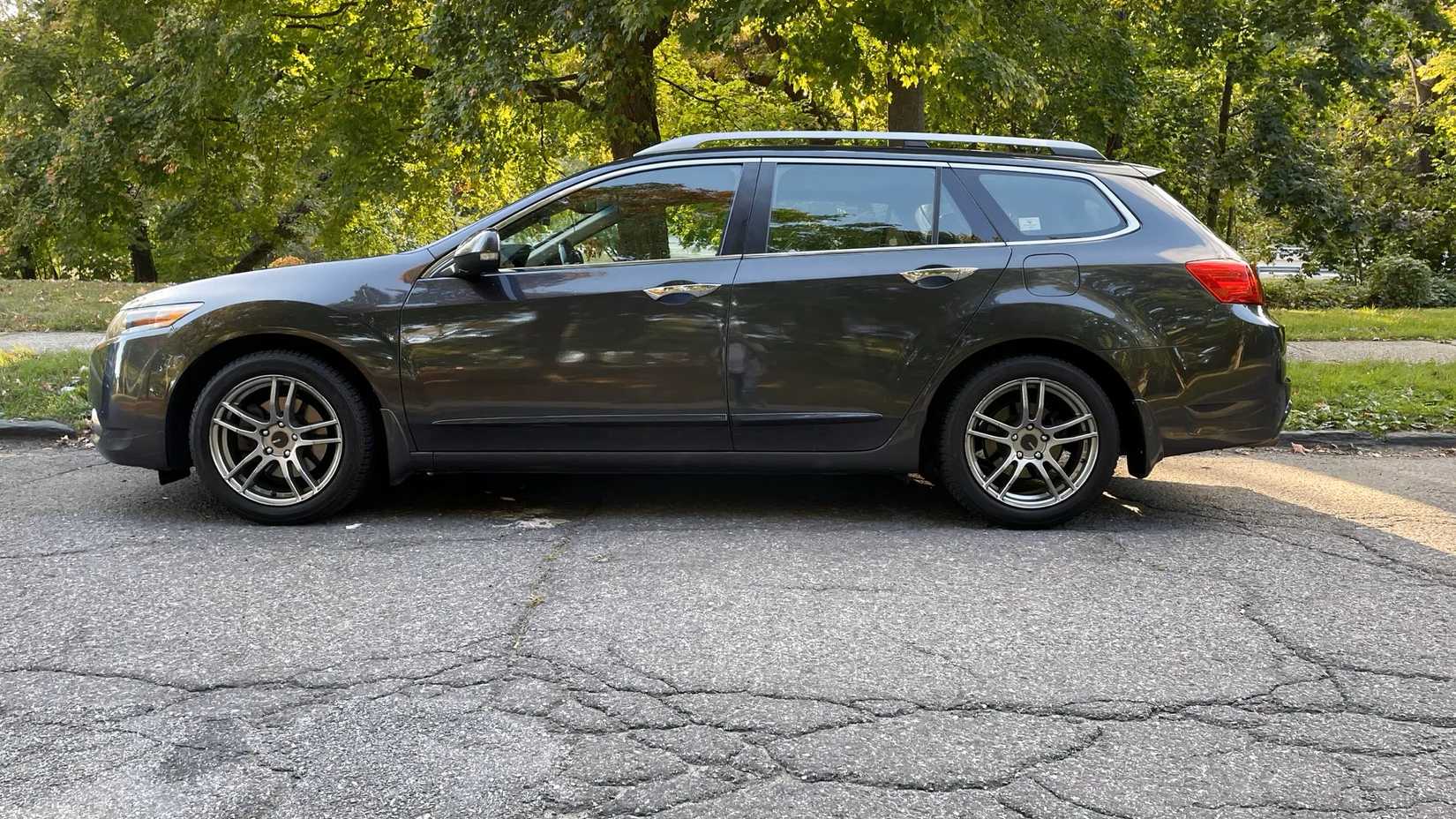
The front end provides consistency under load, while the multi-link rear manages stability when you are driving at full speed or have it fully loaded up. Honda added thick control arms, oversized bushings, cast-iron steering knuckles and lower A-arms, and well-fitting exterior panels that look like they are made to take a beating over time.
Nothing about how the TSX Sport Wagon feels like it was engineered to meet a price point or only last a few years; instead, it feels conservative with a capital Honda in all the right places, oversized where it matters, simple where it can be, and well put together.
Real-World Ownership: 200,000 Miles And Counting
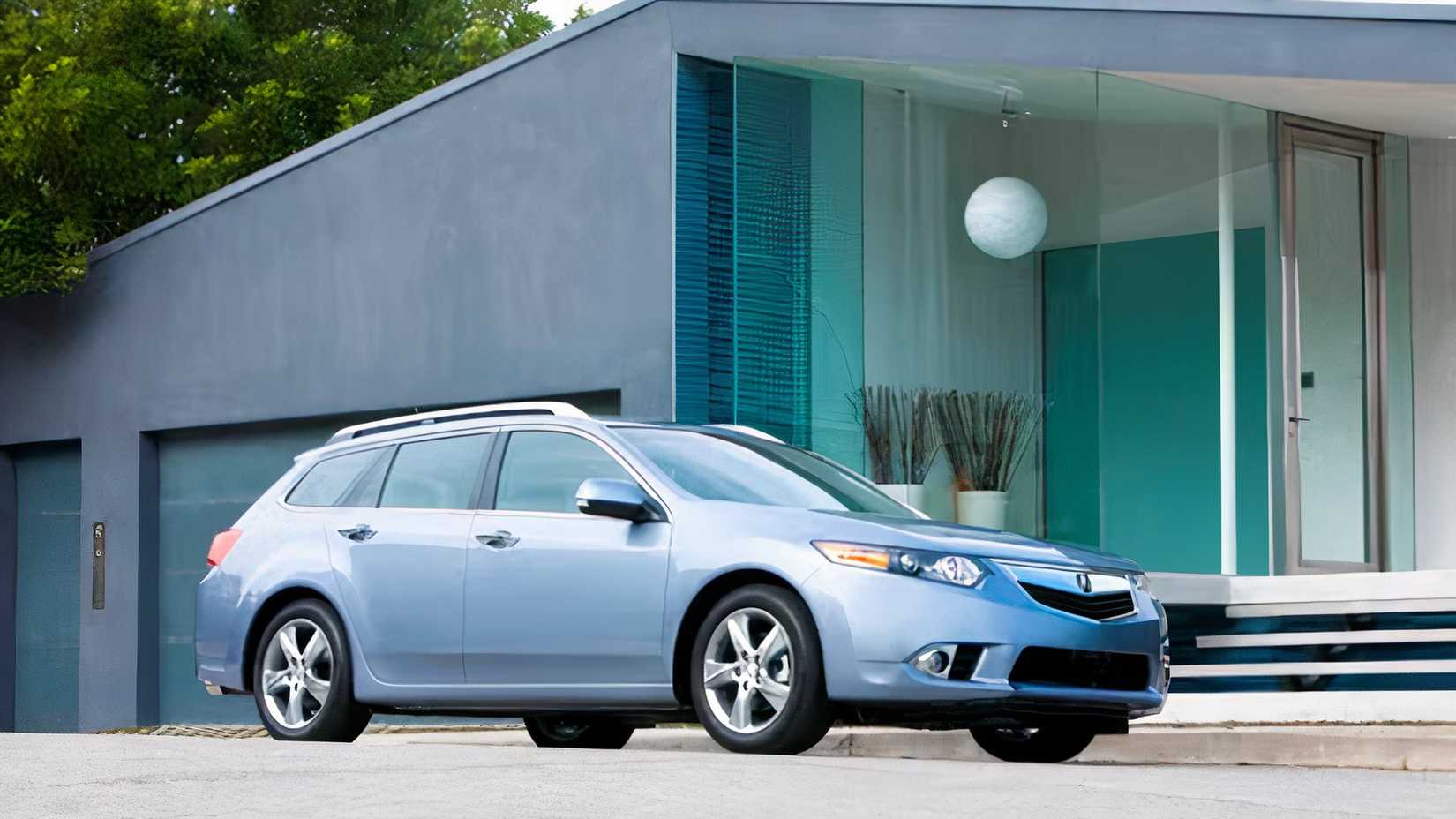
Bearing all this in mind, we aren’t surprised that multiple owners have claimed to have put over 200,000 miles on a TSX Sport Wagon with just simple maintenance. Of course, you should expect to replace consumables by 200,000 miles, and owners have said that if oil changes are ignored, the timing chain can stretch, but on the whole, owners, even owners of high-mileage models, would recommend buying one that has been looked after.
Some owners on the Only Wagons group have also claimed to have put 300,000+ miles on their models with the original engine and transmission. You should note, though, that some owners have experienced problems with the steering rack, A/C system, and some electronics on high-mileage TSX Sport Wagon models, but if you keep on top of maintenance, the Sport Wagon should see you good for a long time.
Why The Acura TSX Sport Wagon Makes A Lot Of Sense Today
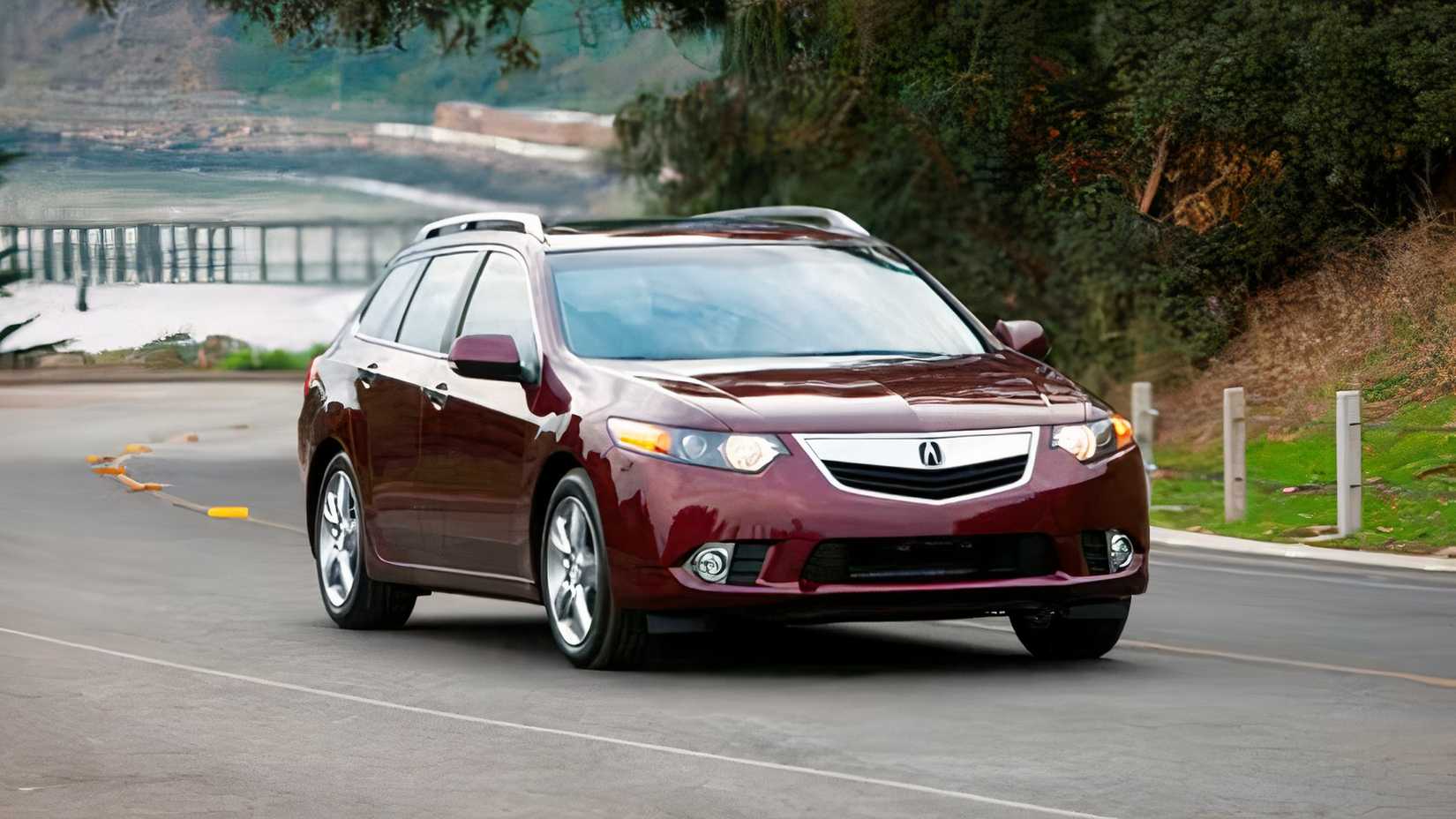
It is not just the high-mileage claims, relatively simple maintenance, and the overbuilt, bulletproof build that make an Acura TSX Wagon such an appealing-looking buy today, but also the price, the interior, and what you can lug around with one. According to data on Kelley Blue Book, average used prices today range from $8,200 to $9,900, with the following MY breakdown.
|
2011 TSX Sport Wagon |
2012 TSX Sport Wagon |
2013 TSX Sport Wagon |
2014 TSX Sport Wagon |
|
|---|---|---|---|---|
|
Average Used Price |
$9,000 |
$9,900 |
$8,200 |
$9,000 |
To put that into perspective, the 2014 BMW 328i xDrive Sport Wagon will still cost you, on average, $11,800. Yes, the BMW may be flashier and quicker, but the TSX Sport Wagon still has a decent interior design to back up the 66.2 cubic feet of storage space, fold-flat seats, 42.4 inches of front legroom, and 34.3 inches of rear legroom.
The cabin reflects Acura’s early-2010s smart luxury approach, where durability and usability mattered more than flashy tech. You get perforated leather seating, soft-touch dash materials, simulated alloy trim, and physical controls tied into a dense yet logically laid-out center stack.
Tech is maybe a little sparse compared to modern sports wagons, but you still get dual-zone climate control, an originally available ELS Surround audio rig, a good-looking central display, and an originally available reversing camera. In short, it is a cabin design that is made to age gracefully instead of wow at first glance. Plus, there is no reason why you can’t swap some of the dated tech out with something more up-to-date today, especially considering the low prices of a used model.
0–60 mph times are not fast, with reports suggesting that it will take between 7.5 and 8.8 seconds to get to speed, but that is not why the TSX Sport Wagon is a good station wagon. It is small enough for city driving (189.2 inches x 72.4 inches), it is roomy inside, it can carry a fair amount of stuff, FuelEconomy.gov says it can achieve 24 combined mpg (costing you $2,900 for gas a year), and it is built to just keep going. In a modern market taken up by SUVs and high-end performance wagons, the Acura TSX Sport Wagon is priced nicely, is very useful to own, and is built to last like all good Honda models should.
Sources: Classic.com, Kelley Blue Book, J.D. Power, and FuelEconomy.gov