
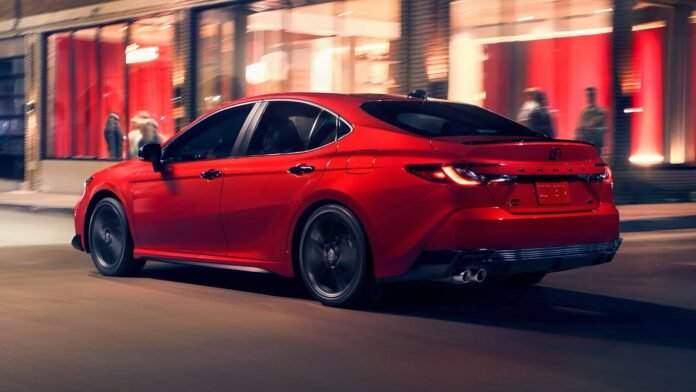
Since it was released back in the mid-1970s, the Honda Accord has been a solid choice for everyone, from family drivers to those wanting a sturdy budget sedan. Today, we are in the 11th generation of the Accord, and things are still going strong. It continues to offer low buying prices, affordable running costs, Honda-grade reliability, and a versatile build that is actually useful.
It all sounds good for the Accord, and it is; it is one of the market leaders. However, there is another mid-sized hybrid sedan made by one of Honda’s toughest rivals, Toyota, that is winning the sales battle and looks to be a smarter buy all around.
Hybrid Sedans Are Winning Back American Families
For a long time now, the SUV market in the U.S. has laid waste to most other markets. The sedan market has taken a big hit because of the SUV, and the family vehicle is now very much the SUV. However, while SUVs are still selling more than sedans, things are looking good for the hybrid sedan market.
It is estimated that hybrid vehicle sales now account for roughly 17 percent of the U.S. market in 2026. New EV sales are faltering slightly due to buyer hesitation and the expiration of the tax credit for them. So, there is clearly a strong demand for good, efficient hybrid vehicles. A lot of the market share can be attributed to the hybrid SUV market, but as the need to cut back on spending gets more apparent, the generally cheaper-to-run sedan is looking more appealing than some SUVs.
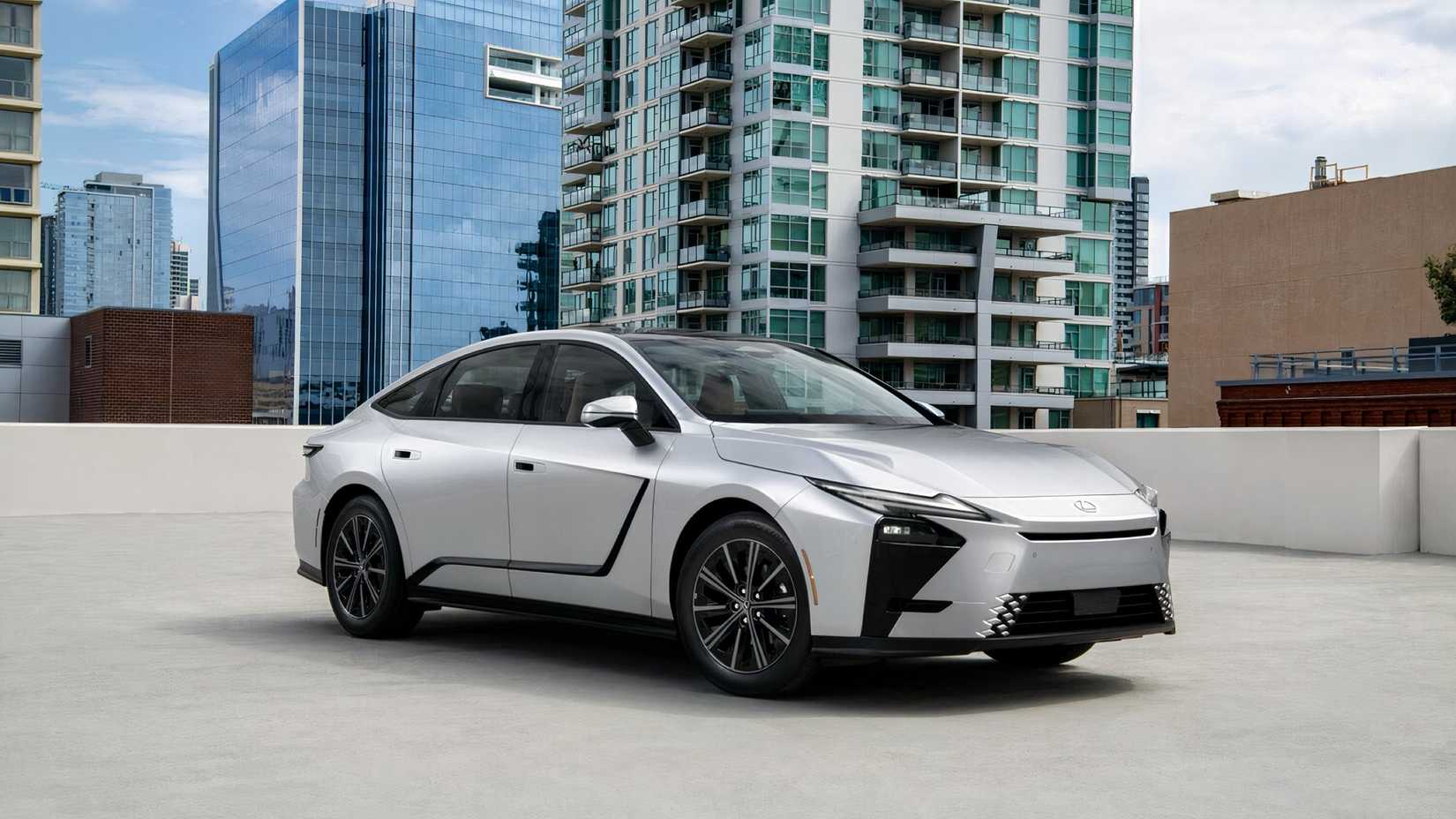
The appeal is easy to understand. Modern hybrid sedans offer much of what families need daily: comfortable seating for five, generous cargo capacity, long driving ranges, and low running costs. Unlike many compact and mid-sized SUVs, they also benefit from lower curb weights and sleeker, more aerodynamic designs, allowing them to stretch fuel a little further.
Efficiency Now Matters As Much As Performance
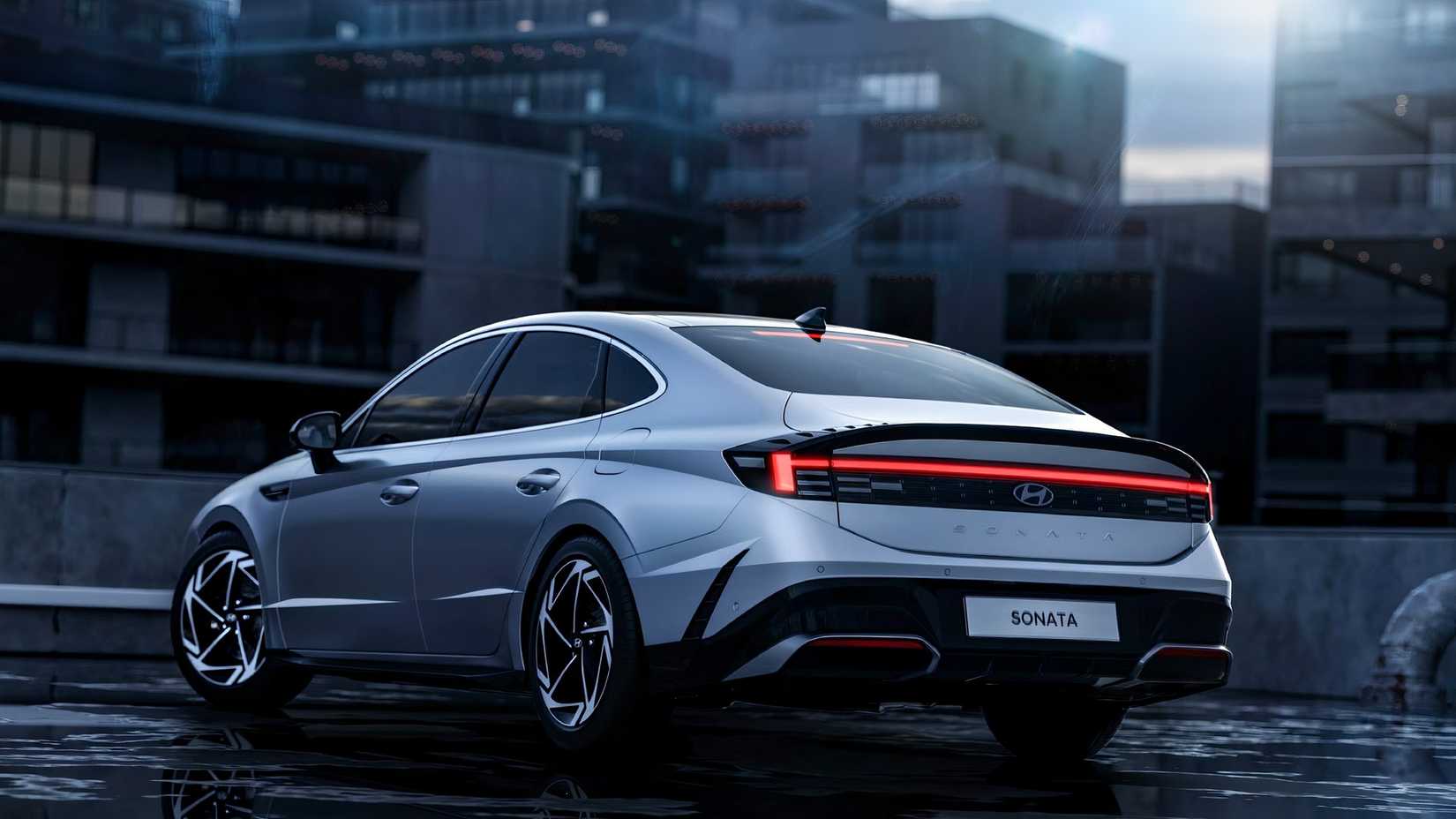
Not that long ago, family-car buyers were mainly comparing power outputs and rest-to-60 times. Today, fuel economy sits alongside performance as one of the most important purchasing factors. A modern hybrid sedan that can deliver usable everyday acceleration while still returning strong fuel economy numbers is hard to ignore.
The 2026 Hyundai Sonata Hybrid is aperfect example of how far the market has come. Despite offering a comfortable cabin, family-friendly features, and a good list of standard gear, it can achieve fuel economy approaching 50 combined mpg in certain trims.
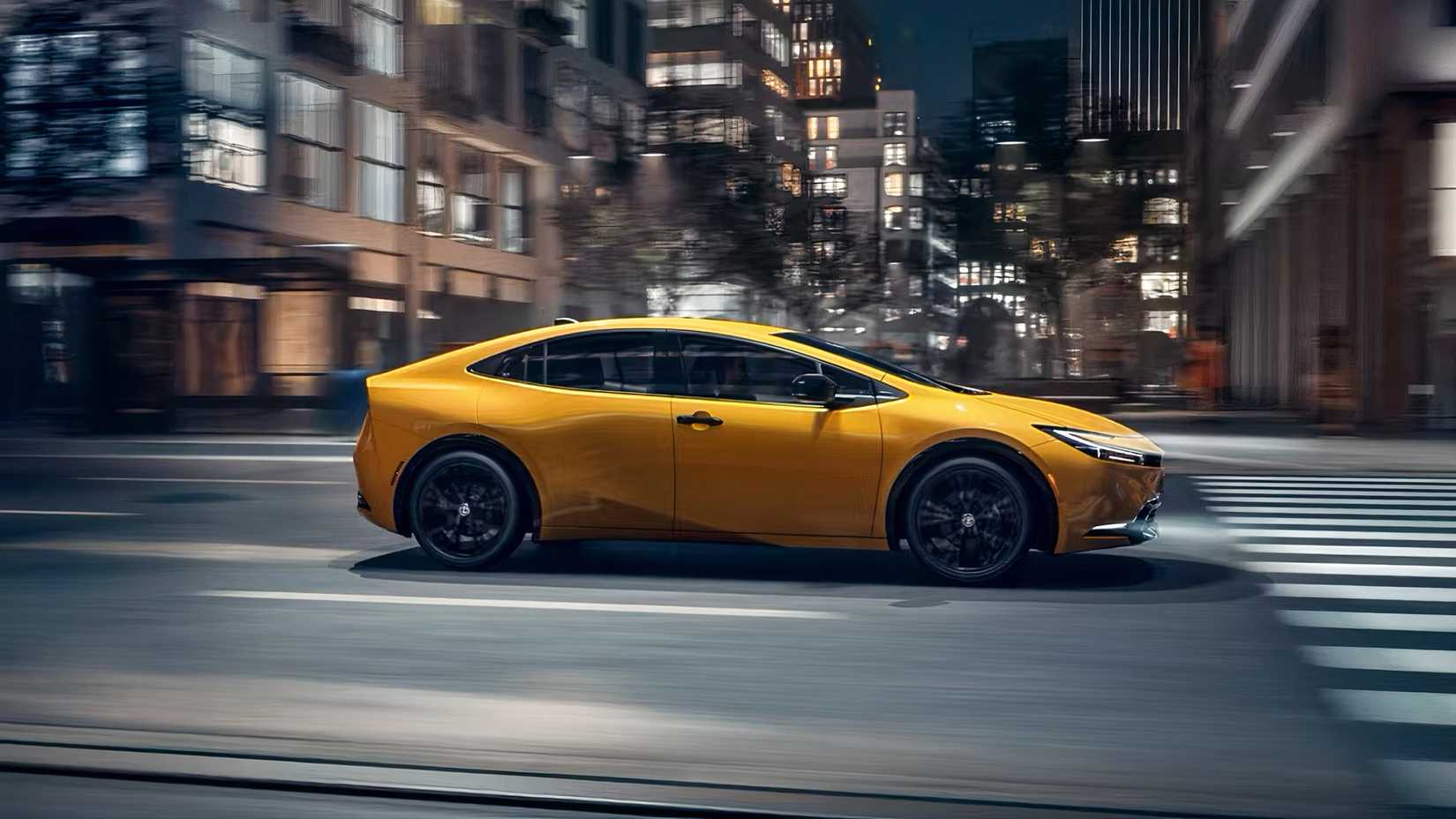
The hybrid poster boy that is the Prius also does an exceptional job. You can get around 57 combined mpg from a FWD base-trim 2026 Prius LE, while it still offers 27 cubic feet of storage space with the seats folded down.
The hybrid SUV market generally does better in terms of cargo capacity, but the most fuel-efficient hybrid SUV this year (the Kia Niro Hybrid) can “only” achieve up to 53 combined mpg. Very good numbers, but if you don’t need that extra space (63.7 cubic feet) and want higher fuel returns, the hybrid sedan market is where you should look.
The Battle For Hybrid Sedan Supremacy Is Heating Up
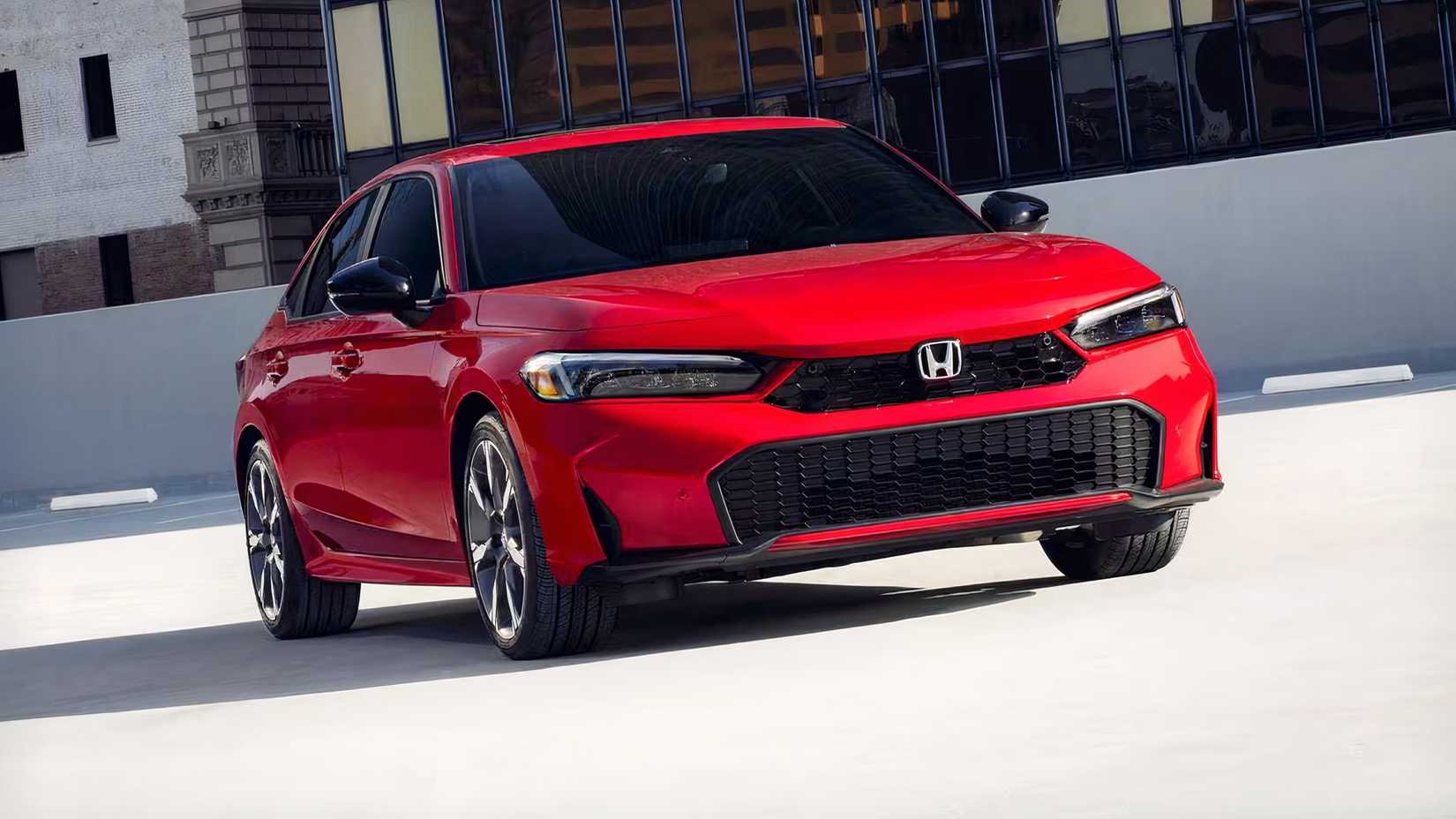
As the sedan market has become smaller, competition has gotten hotter. Buyers now demand more efficiency, technology, comfort, and value than ever before, which has forced manufacturers to raise their game. Models like the Honda Civic Hybrid, Honda Accord Hybrid, Kia K5, and Toyota Prius have become increasingly attractive, thanks to good fuel economy, impressive practicality, and sharp styling that tends to look a bit sportier than the SUV market. In today’s market, even small advantages in ownership costs, fuel economy, tech, and interior quality can be enough to separate one model from another.
The Most Reliable Turbocharged Sedan You Can Still Buy
One turbocharged sedan has quietly earned reliability scores that should make every competitor in the segment nervous.
The 2026 Toyota Camry Hybrid Continues To Set The Standard
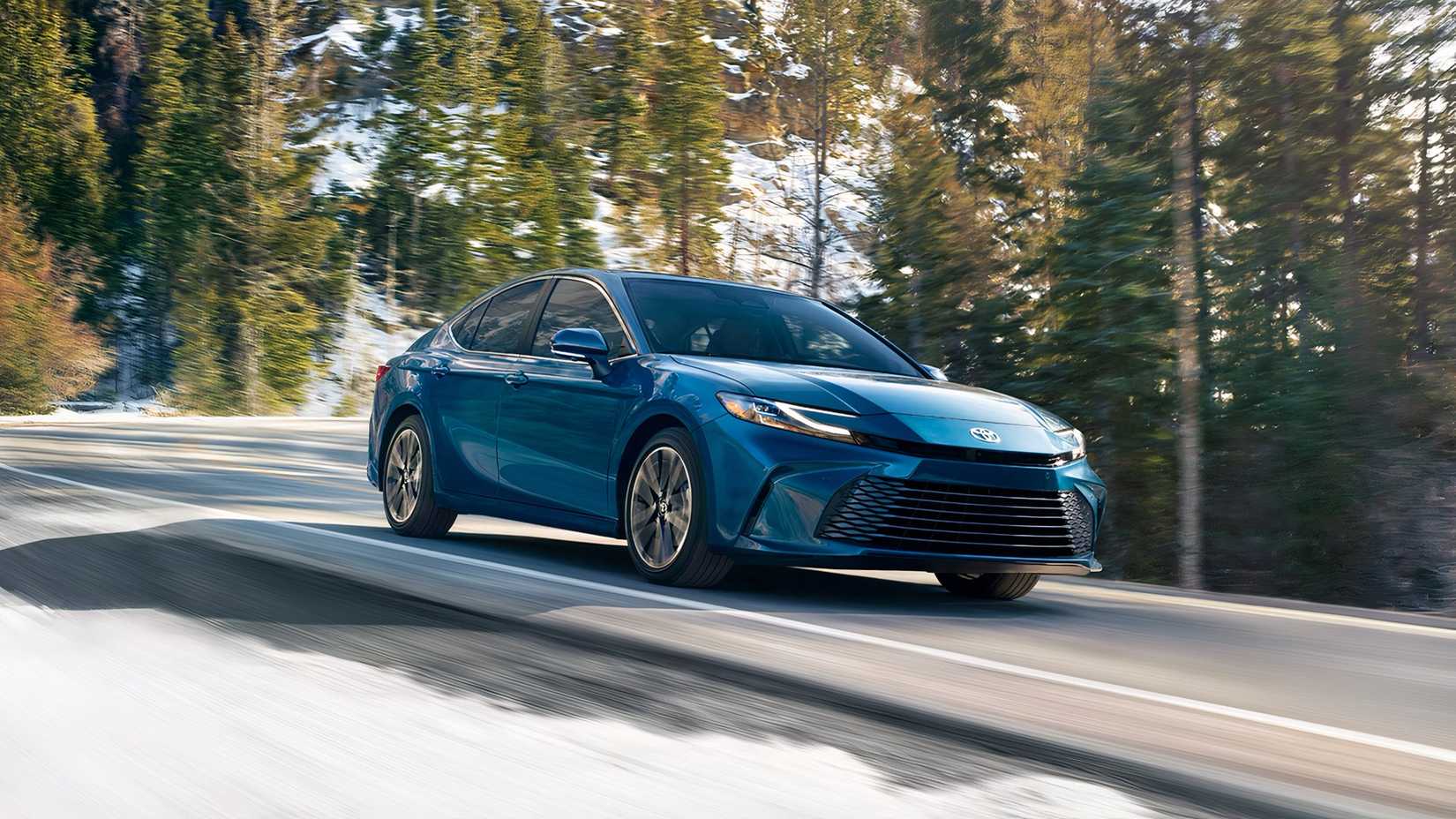
This year, the Toyota Camry is only available with a hybrid powertrain under the hood. It may be a bold move to drop the gas-only engine altogether, but it doesn’t seem to have hurt sales for this exceptionally trusted Japanese sedan. The 2026 Toyota Camry is available in five trims: the LE, the SE, the Nightshade, the XLE, and the XSE, with starting prices ranging from $29,300 to $35,700. The 2026 Camry lineup has the following trim and starting price breakdown.
|
2026 Toyota Camry Hybrid |
LE |
SE |
Nightshade |
XLE |
XSE |
|---|---|---|---|---|---|
|
MSRP |
$29,300 |
$31,800 |
$32,800 |
$34,500 |
$35,700 |
As budget-friendly sedans go, the new Camry lineup not only looks good in isolation, but also when measured against the 2026 Honda Accord Hybrid lineup. The new Accord Hybrid lineup has the following trim and starting price breakdown.
|
2026 Honda Accord Hybrid |
Sport Hybrid |
EX-L Hybrid |
Sport-L Hybrid |
Touring Hybrid |
|---|---|---|---|---|
|
MSRP |
$33,795 |
$35,095 |
$35,495 |
$39,495 |
The new Accord Hybrid lineup is still well within the realm of “affordable” compared to most German counterparts, but is not as affordable from the outset as the Camry or other Asian models like the new Hyundai Sonata hybrid lineup, which has a starting price of $29,300.
Exceptional Fuel Economy Comes Without Sacrifices
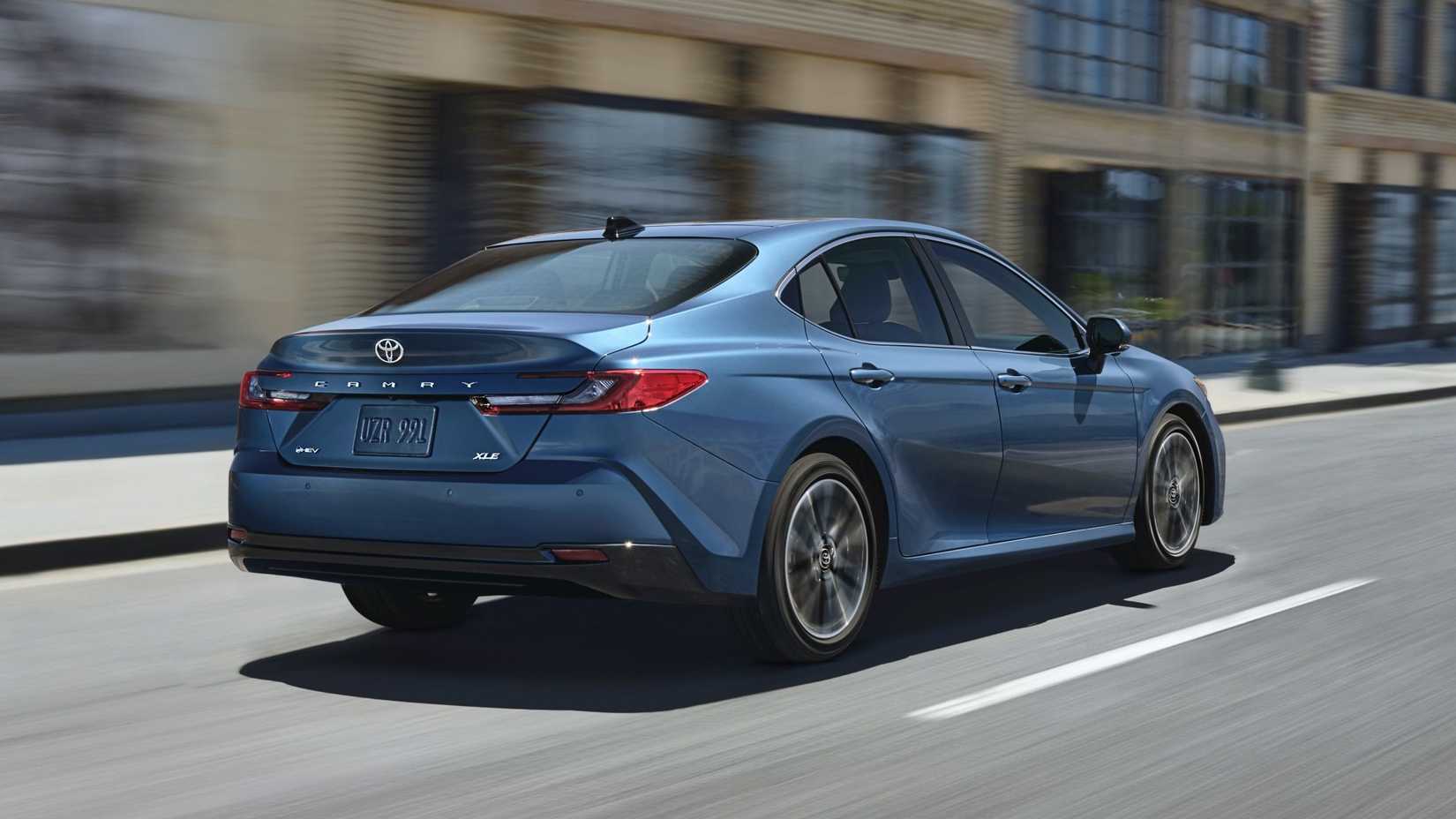
The first and foremost thing you want from a hybrid sedan that can be used comfortably, and sensibly every day is good fuel economy. One of the chief reasons so many buyers are choosing the Camry over the Accord is its projected fuel efficiency. The new Camry is available with both front-wheel drive and all-wheel drive configurations, which affect fuel consumption, but across the board, the numbers are very impressive.
FuelEconomy says that the least fuel-efficient Camry model this year is the AWD XSE trim, which can achieve 43 combined mpg (43 mpg city and highway). AWD SE and XLE trims can achieve 43 combined mpg (46 mpg city and highway); the FWD SE, XLE, and XSE trims can achieve the same, and the AWD LE can achieve 50 combined mpg (50 mpg city/49 mpg highway).
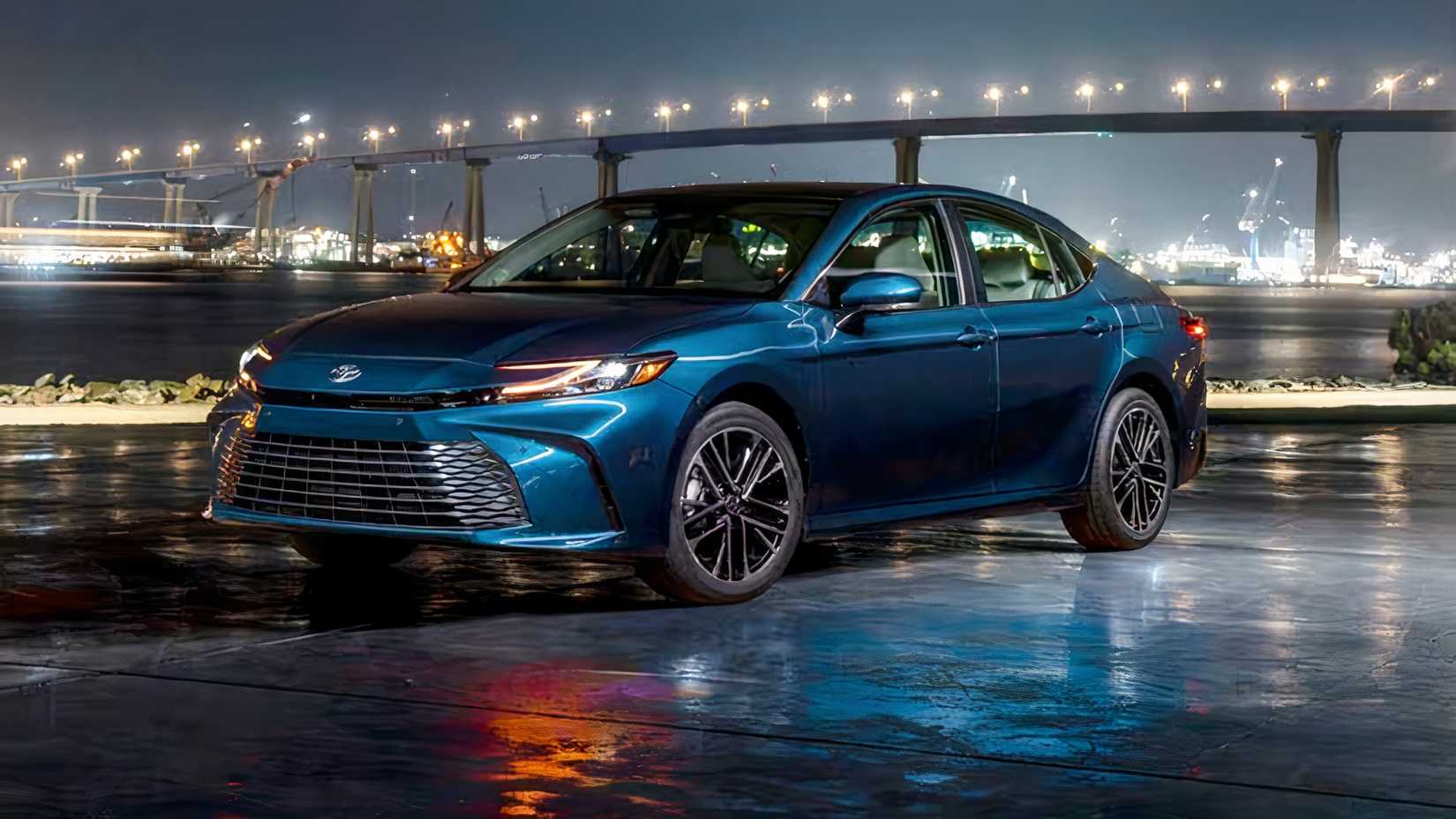
According to the EPA, the most fuel-efficient Camry model in 2026 is the FWD LE trim. This trim can achieve 51 combined mpg, which translates to 52 mpg in the city, 49 mpg on the highway, and an estimated gas tank range of 663 miles. In comparison, the new Accord Hybrid is still very efficient, with combined mpg ratings between 44 and 48, but it is still behind what the most-efficient Camry can do.
More Power Makes It Better To Drive Than Ever
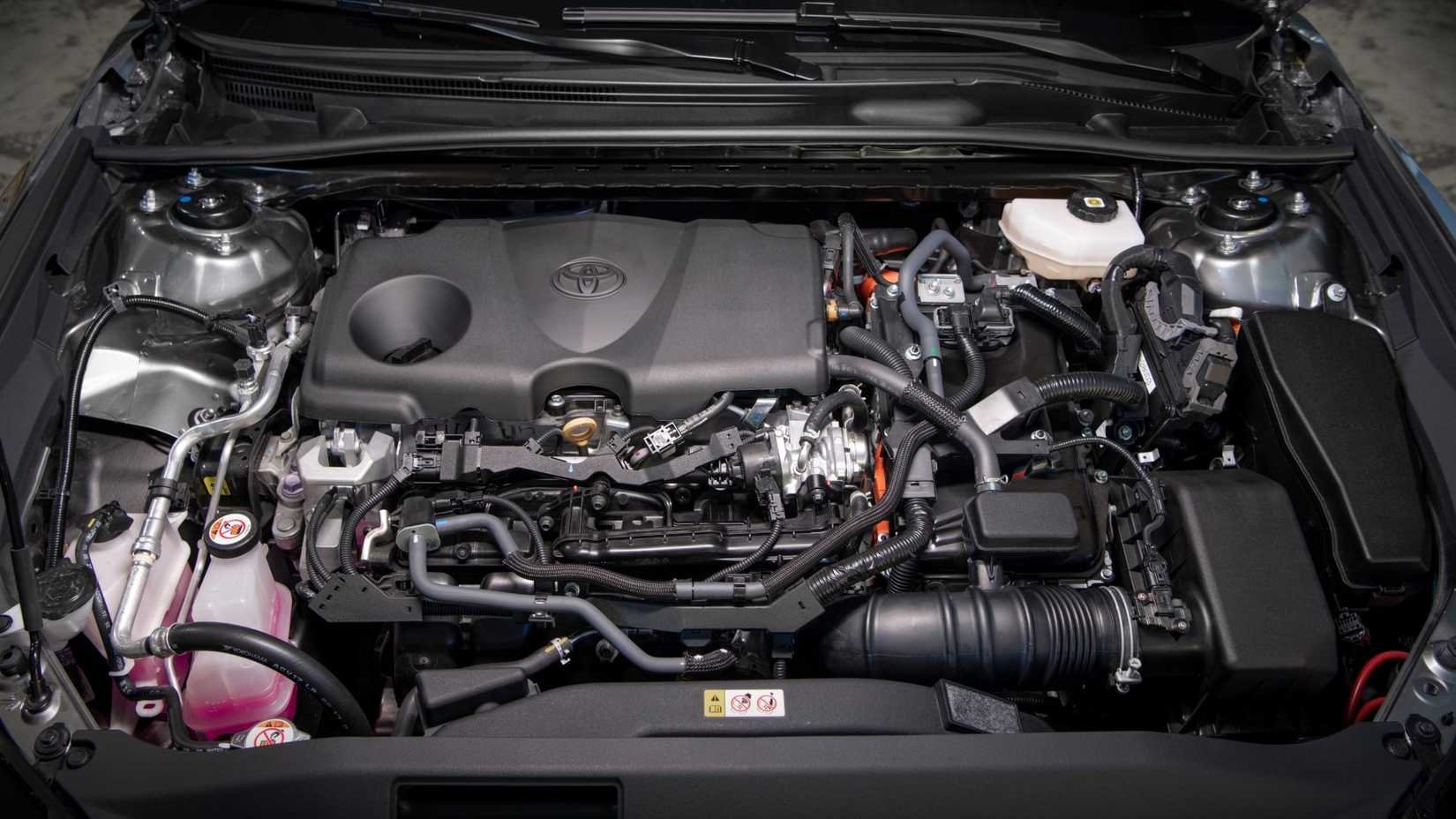
The first thing to know is that neither the Accord Hybrid nor the Camry Hybrid is what you would call fast or particularly powerful; they are family-friendly, budget-friendly sedans, after all. They both get a relatively placid powertrain choice, which has the following specifications.
|
2026 Honda Accord Hybrid |
2026 Toyota Camry Hybrid |
|
|---|---|---|
|
Engine |
2.0-Liter Inline-Four Hybrid |
2.5-Liter Inline-Four Hybrid |
|
Transmission |
eCVT |
eCVT |
|
Horsepower |
204 hp |
225 hp – 232 hp |
|
Torque |
247 lb-ft |
163 lb-ft |
0–60 mph times of both models are in the high six-to-seven-second range. However, despite the extra power at the top end, the Accord Hybrid has a higher top speed limiter. The Camry Hybrid is limited to 115 mph, while the less-powerful Accord Hybrid is limited to 125 mph. These are not speeds you will encounter in everyday driving, but they are worth noting.
The Sedan That Gets More Right Than You’d Expect
Refined, engaging, and surprisingly premium, the 2026 Mazda 3 gets more right than most compact sedans.
Why The Camry Hybrid Keeps Beating Expectations
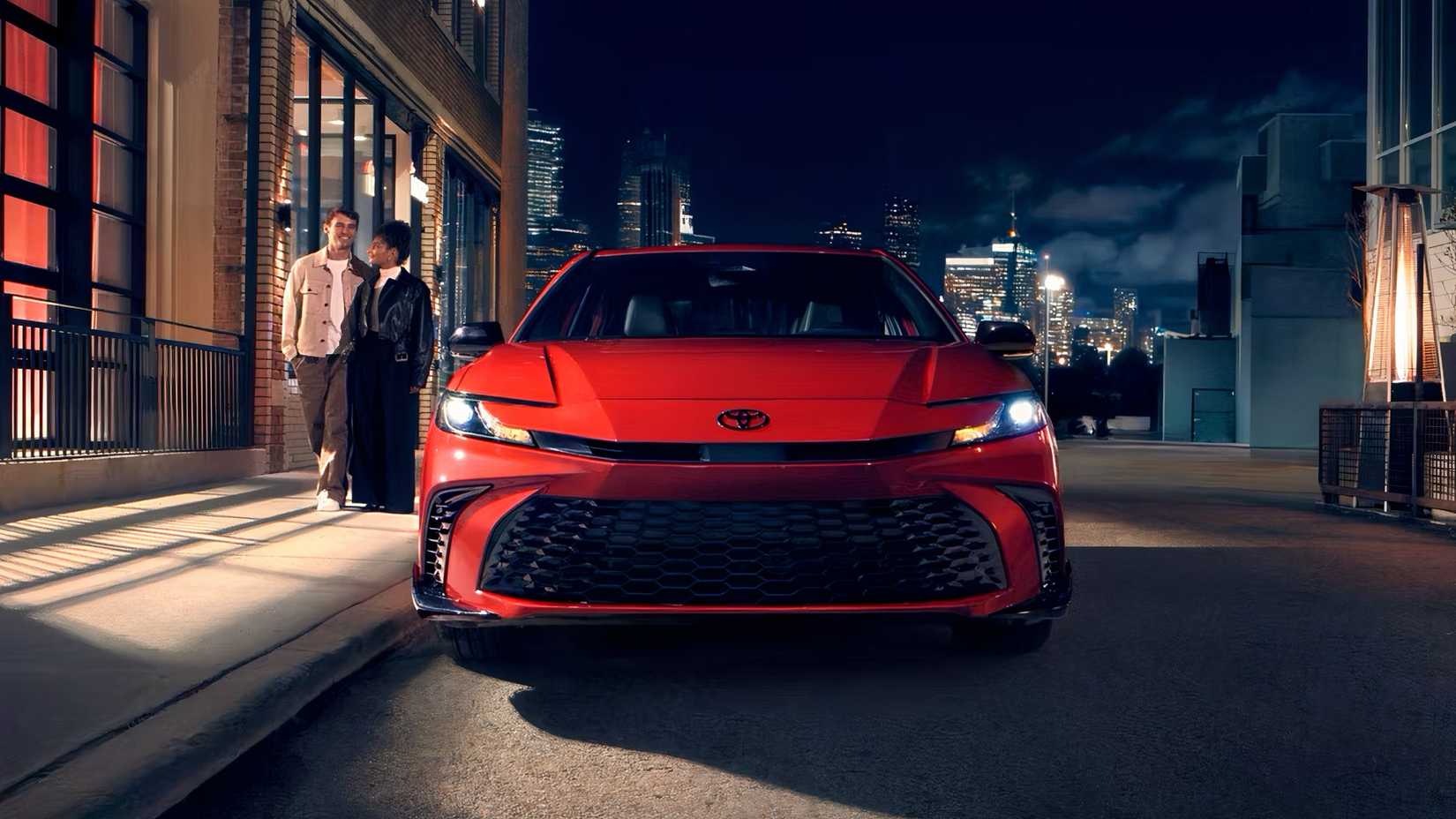
As has been the case with the Camry ever since it was first introduced in the U.S. in 1983, it tends to get a lot of things right. There is a good reason that over 12 million have been sold in the U.S. alone. The Accord is no stranger to high sales, with around 15 million sold in the U.S. since its release, but when it comes to recent sales, the Camry is some way ahead.
According to Honda, circa 72,000 Accord models (both gas-only and hybrid) have already been sold in the U.S. in 2026 (up to May 2026). This represents a 28.9 percent increase in sales compared to this time last year. Impressive numbers, but the Camry continues to outsell it. According to Toyota, 147,471 Camry models have been sold in the U.S. alone in 2026.
Low Ownership Costs Give It A Major Advantage
When you buy either a Toyota or Honda, you can expect two things: good reliability, and low running costs. That is not always the case, but both brands have become synonymous with easy ownership. The same can be said for both models this year; they both have low starting prices and decent five-year costs. Again, though, the Camry comes out on top.
According to CarEdge, a Honda Accord will cost you an estimated $37,216 to own over five years. CarEdge also says that it will cost you $34,297 to own a Toyota Camry over the same time. Both models’ estimated five-year breakdowns are as follows.
|
Five-Year Cost |
Honda Accord |
Toyota Camry |
|---|---|---|
|
Depreciation |
$13,159 |
$12,581 |
|
Insurance |
$11,275 |
$10,240 |
|
Interest |
$5,658 |
$5,444 |
|
Fuel |
$5,250 |
$4,530 |
|
Maintenance |
$1,874 |
$1,503 |
Five-year cost estimates differ according to Kelley Blue Book, but again, the Camry is estimated to cost less than the Accord. Kelley Blue Book says that a 2026 Accord will cost $56,104 to own over five years, while it will cost an estimated $54,684 to own a 2026 Camry for the same period.
Thanks to the better fuel economy of most Camry trims, fueling costs are also estimated to be lower each year. The Accord Hybrid is estimated to cost between $1,300 and $1,400 a year for gas, depending on trim, while the Camry Hybrid is estimated to cost between $1,200 and $1,450 a year for gas, again depending on trim.
Reliability Helps It Stay Ahead Of The Competition
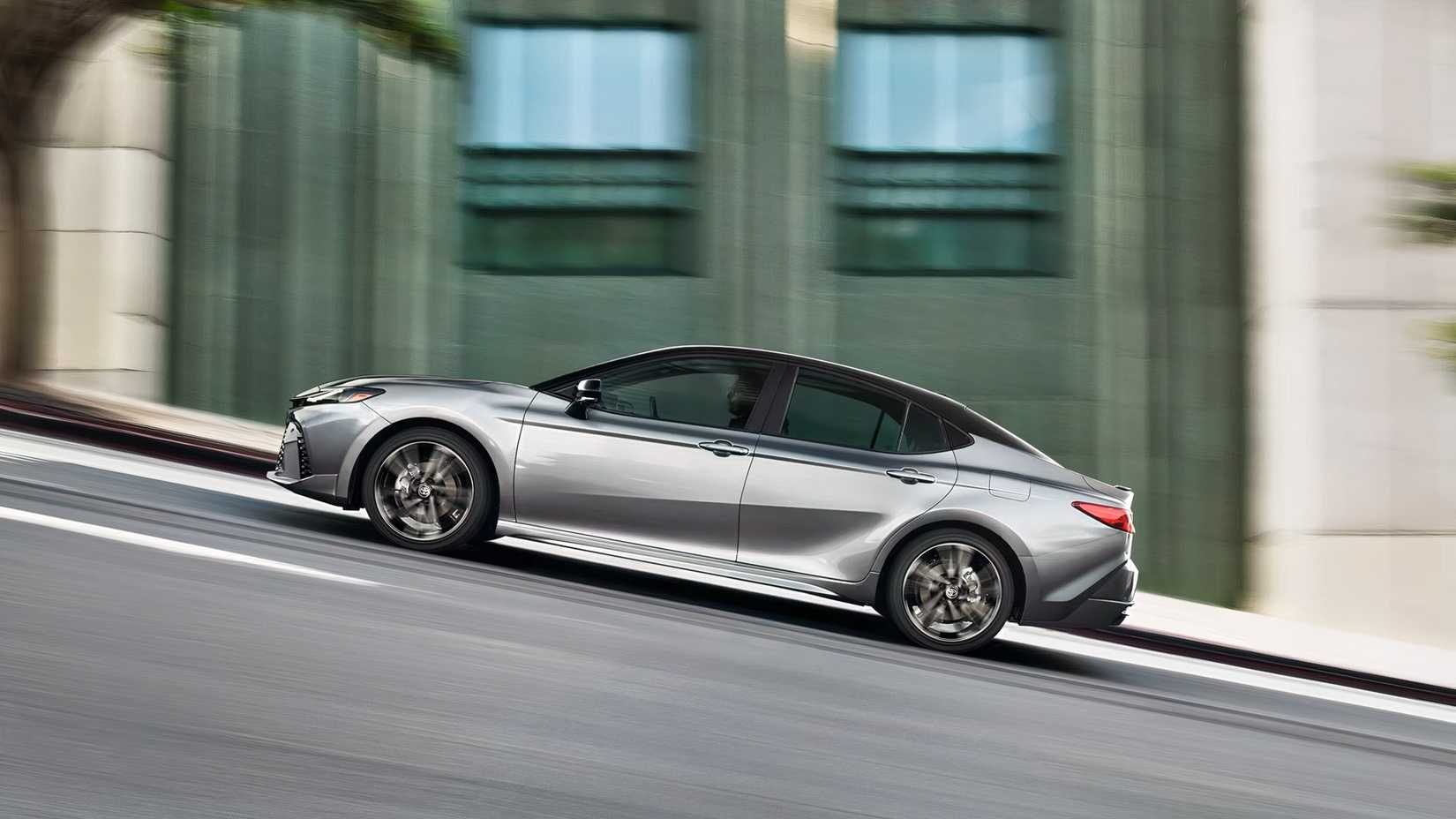
Toyota is synonymous with reliability; many Toyota models are known to run on the same engine and transmission for hundreds of thousands of miles with proper maintenance. The same is apparent for the Accord; the highest-mileage Accord has a claimed 1.16 million miles on the clock.
Both the new Accord and new Camry are rated 82 out of 100 overall on J.D. Power, and both are rated 80 out of 100 for reliability. So, both make for some of the best overall sedans you can get in 2026. The difference between the two comes down to maintenance costs and expected lifespan.
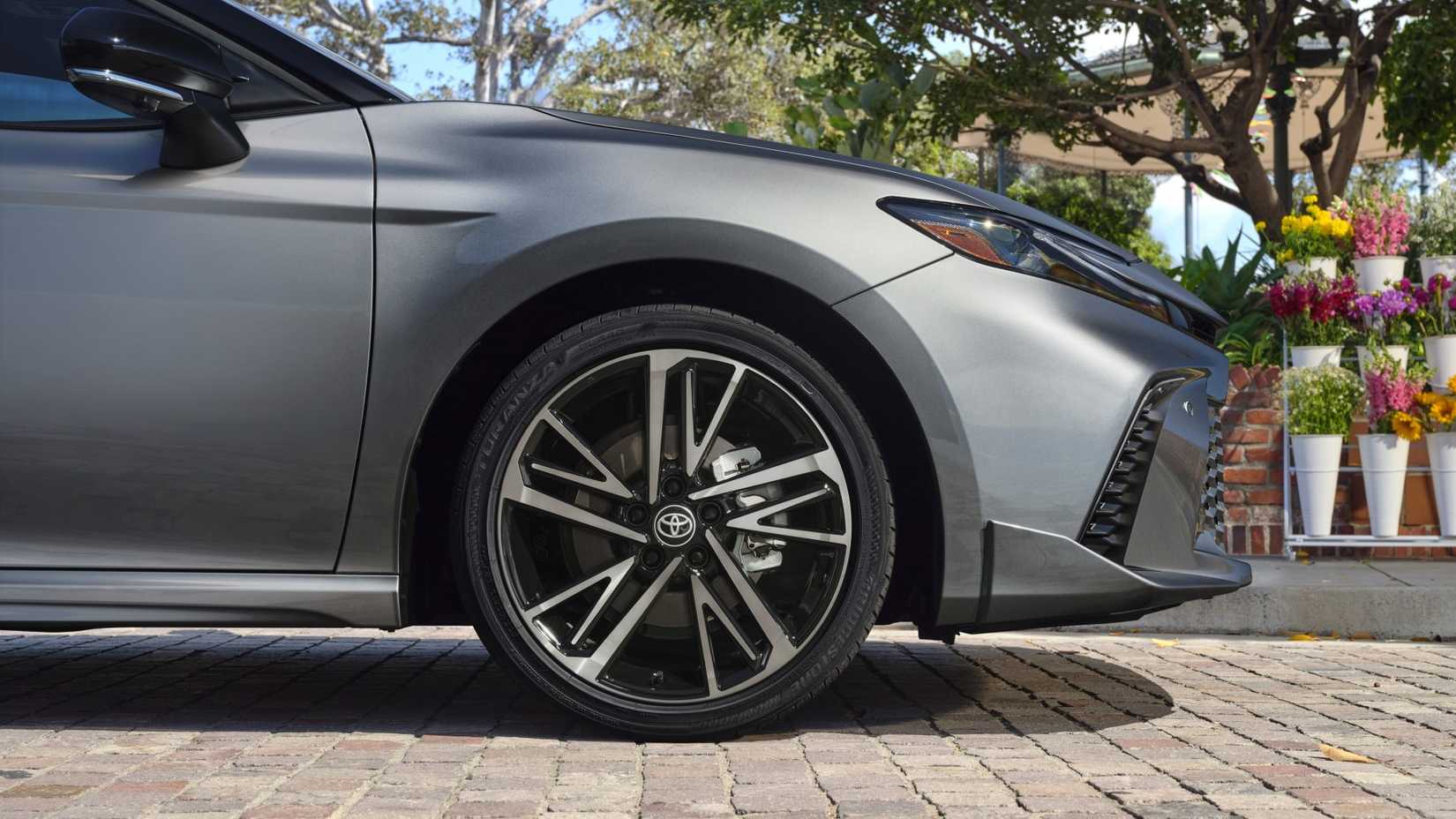
RepairPal estimates that it will cost you $388 a year to maintain a Camry, and $400 to maintain an Accord. The difference is not substantial, but for cost-conscious buyers, the Camry again edges out the Accord. It is also estimated to cost you around $3,000 to replace a Camry Hybrid HEV battery compared to between $4,249 and $4,477 to replace an Accord Hybrid HEV battery.
Where the Accord Hybrid does better than the Camry Hybrid, though, is in expected lifespan. iSeeCars rates the Accord Hybrid 7.4 out of 10 for reliability, and says that it has an average lifespan of 180,500 miles. The Camry Hybrid is rated higher, at 7.7 out of 10, but has a lower average lifespan of 171,900 miles. The gap is only 8,600 miles, but this will depend heavily on how well maintenance is kept up.

The Japanese Sedan That Feels More Luxurious Than A Mercedes E-Class
This Lexus has left a lasting mark on the luxury world that continues to set the standard, even against elite German rivals.
The 2026 Toyota Camry Hybrid Is Still The Smartest Mid-Size Sedan Buy
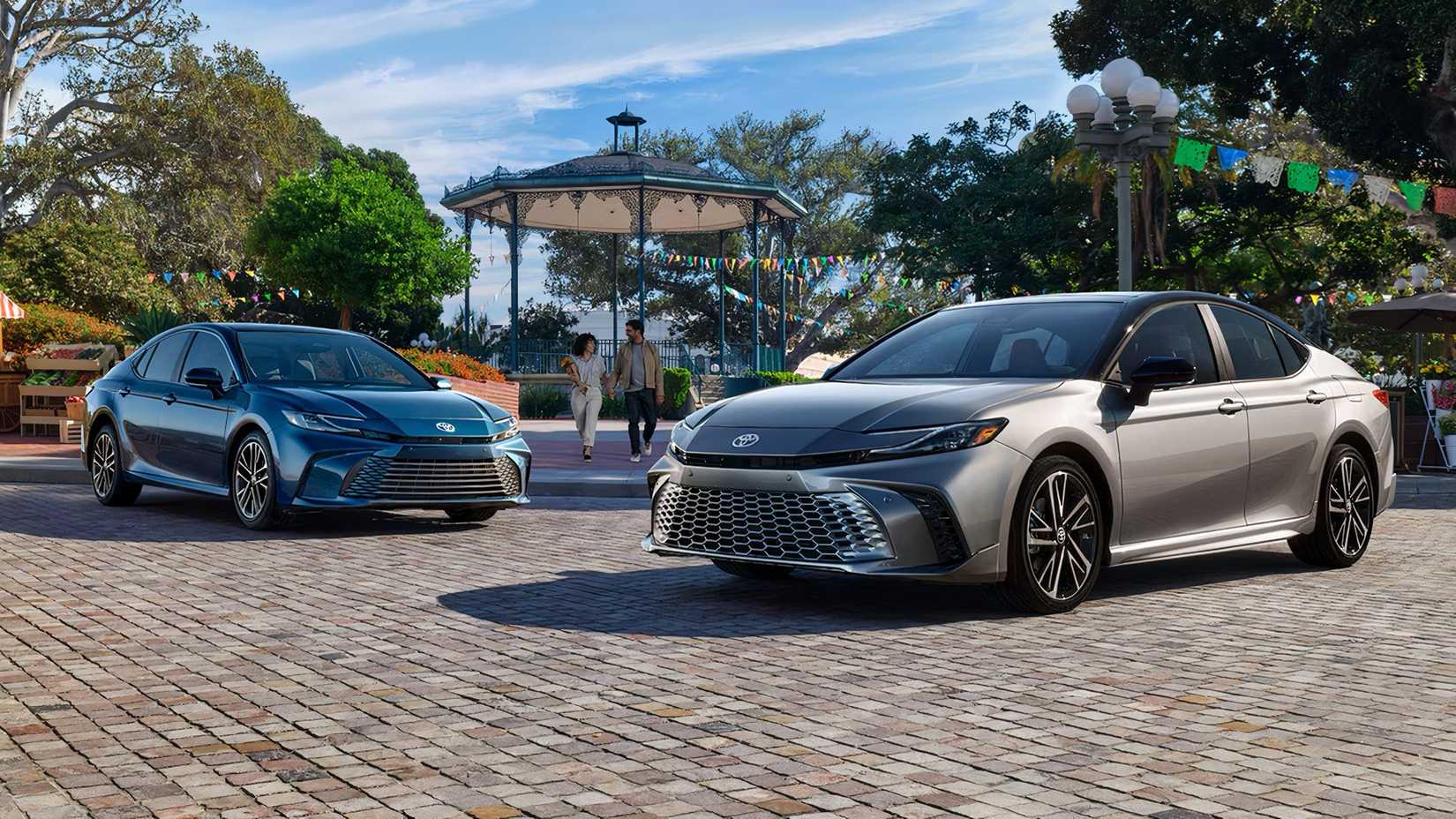
All around, it is estimated to be cheaper to buy and run a Camry Hybrid than an Accord Hybrid. That is not where it ends, though. The Camry is still a very usable and comfortable mid-sized sedan to own in 2026; the low prices and running costs are a welcome bonus for value-conscious buyers.
The new Camry Hybrid has a total passenger volume of up to 99.9 cubic feet, and while this is lower than the Accord Hybrid’s total of up to 105.7 cubic feet, you still get a very respectable maximum cargo capacity of 15.1 cubic feet. Again, though, the Accord gets more, at 16.7 cubic feet.
|
2026 Toyota Camry Hybrid |
2026 Honda Accord Hybrid |
|
|---|---|---|
|
Headroom (Front/Rear) |
38.3 Inches / 37.6 Inches |
39.5 Inches / 37.3 Inches |
|
Shoulder Room (Front/Rear) |
57.7 Inches / 55.7 Inches |
57.9 Inches / 56.5 Inches |
|
Hip Room (Front/Rear) |
55.4 Inches / 54.6 Inches |
55.4 Inches / 55.4 Inches |
|
Legroom (Front/Rear) |
42.1 Inches / 38 Inches |
42.3 Inches / 40.8 Inches |
Except for rear legroom, it is a close call between the Camry and Accord. However, you are paying a fair amount more at build for a hybrid Accord, with only a little more rear legroom and cargo capacity to show for it.
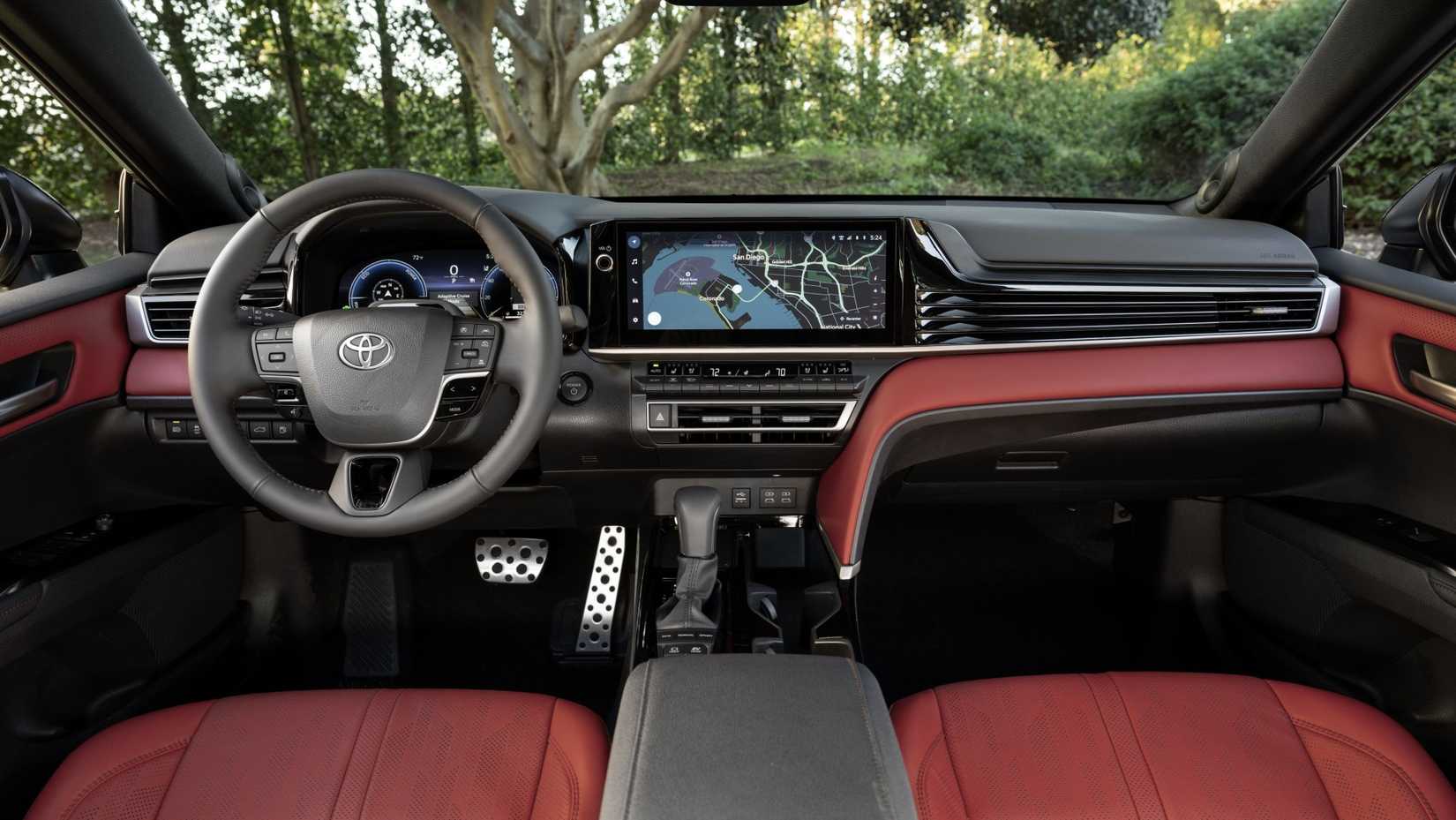
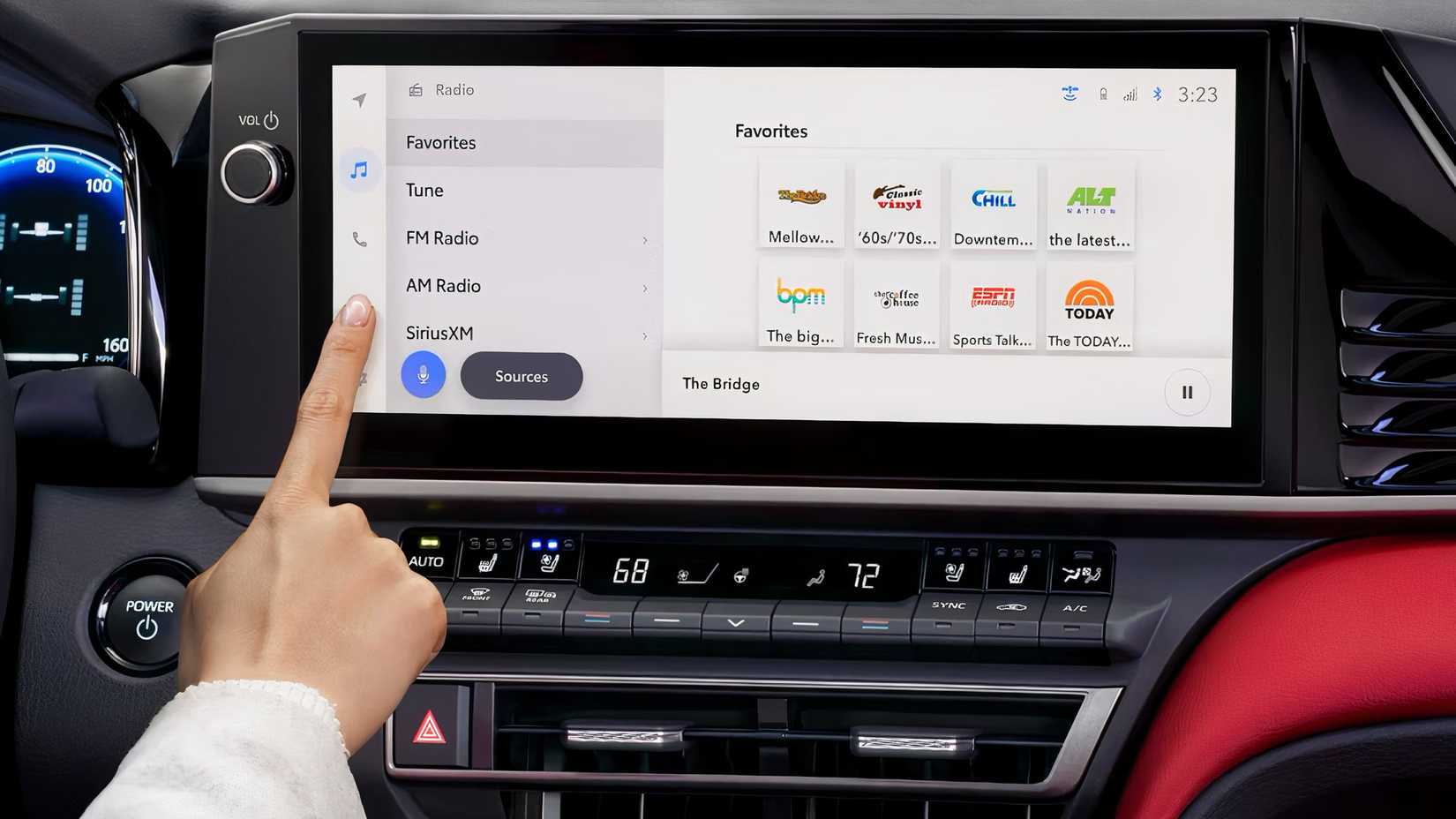
Then there is what you actually get in the cabin. The LE comes standard with an eight-inch touchscreen, a seven-inch digital cluster, wireless Apple CarPlay and Android Auto, dual-zone climate control, and a wireless charger. The SE gets all this plus Soft-Tex-trimmed seats, a leather-trimmed wheel, and aluminum pedals.
Things get slicker in the Nightshade, with black interior and exterior accents for a sportier touch, while the XLE gets a fancier setup that includes heated front seats, leather-trimmed seats, a 12.3-inch digital cluster, and a 12.3-inch infotainment screen. At the top, the XSE gets all of these nice touches, plus ventilated front seats, a heated steering wheel, ambient lighting, a JBL audio rig, and an available panoramic glass roof.
Because the market is so competitive today, and saving money is a top priority for most buyers, consumers have become more selective about where they spend their money. Neither the new Accord Hybrid nor the new Camry Hybrid is a niche model vying for attention, and both get it right where it counts.
Where the new Camry Hybrid stands out, though, is in its much lower costs all around, while still offering what is needed in a modern, efficient sedan, without relying on headline-grabbing horsepower outputs or unnecessary extras. Toyota has been refining the sedan and hybrid sedan formulas for some time, and now that the Camry is only available with a hybrid powertrain, it looks to have paid off. The Camry sedan is still as useful and versatile as it always was, but now it is a clear market leader, offering it all at a low price with very few compromises.
Sources: Honda, Toyota, iSeeCars, EPA, J.D. Power, and Kelley Blue Book.